


Rekeszizom: TCM Lélegzés és Szabadság Szövetség
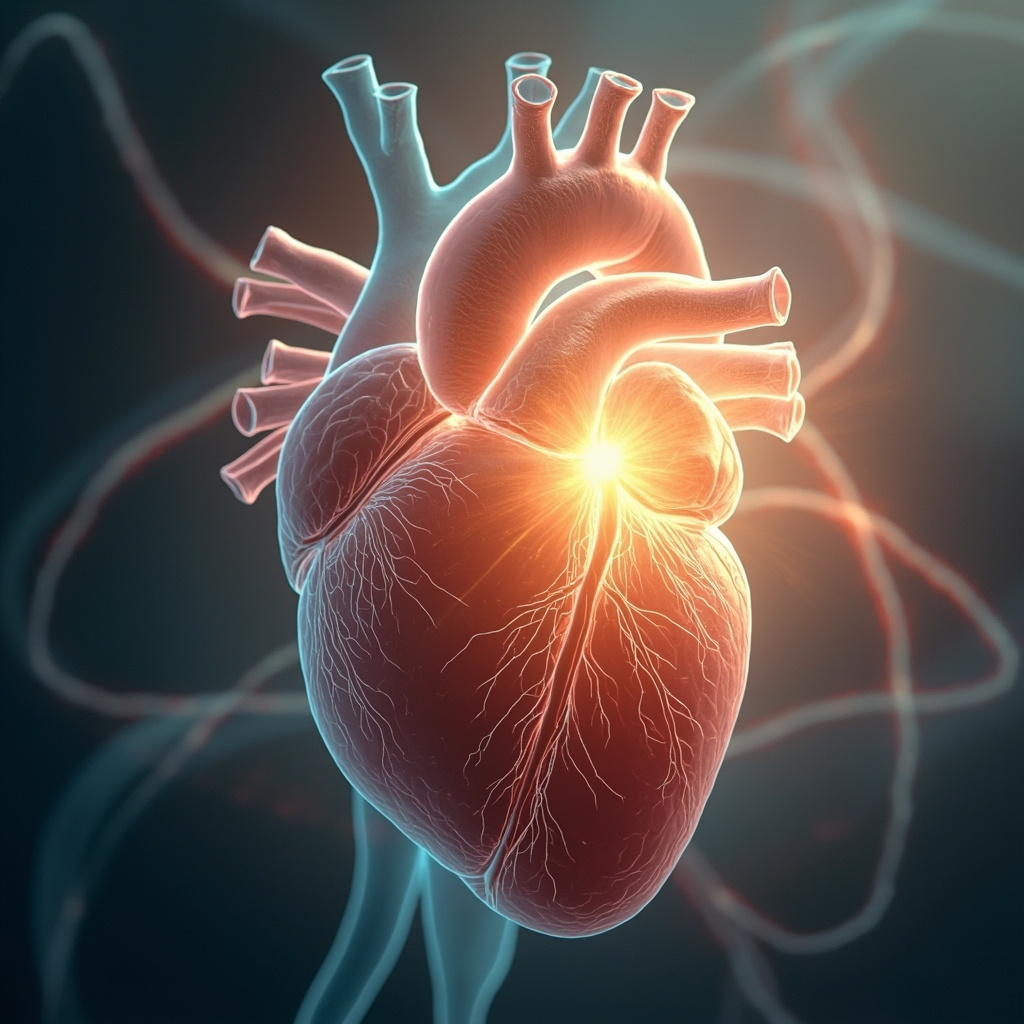
The Diaphragm: Breath of Life in TCM
The diaphragm is a key muscle in your body, shaped like a dome under your lungs and heart. It separates the chest area from the belly. In Traditional Chinese Medicine (TCM), it acts as a guardian of qi flow, the vital energy that keeps us alive and moving. Learn more in the glossary.
When you breathe in, the diaphragm contracts and flattens. This creates space in your chest for air to fill the lungs. Good diaphragm function means deep, easy breaths and plenty of oxygen for your whole body. Poor function can lead to shallow breathing, low energy, and even trouble catching your breath during stress.
Physical Harmony: Supporting Lungs and Heart
In TCM, the diaphragm links the lungs (metal element, tied to breath and letting go) and the heart (fire element, center of joy and spirit). It helps qi descend from the chest to the belly, aiding digestion and overall flow.
- Healthy diaphragm: Full breaths, strong vitality, relaxed posture.
- Imbalanced diaphragm: Tight chest, fatigue, digestive slowdown, or pain in the upper belly.
This muscle works with meridians like the conception vessel and governing vessel, channels of energy running front and back along the body's core. Blockages here show as stiff shoulders or a heavy feeling in the rib area.
Emotional Layer: Freedom from Fear
TCM sees emotions as part of health. The diaphragm holds fear and anxiety, emotions of the kidneys (water element). Feeling trapped? Struggling between control and letting go? A tense diaphragm might signal this inner conflict.
- Fear tightens: It raises the diaphragm, shortening breaths and trapping qi.
- Anxiety stirs: Leads to sighing or rapid breaths, upsetting yin-yang balance.
Past stress, like feeling stuck in life, can lodge here. Releasing it brings emotional freedom, clearer mind, and easier expression of your true self.
Signs of Diaphragm Disharmony
Watch for these common clues:
- Shallow or labored breathing, especially when upset.
- Chest tightness without clear cause.
- Fatigue after small efforts.
- Emotional ups and downs, like sudden worry.
- Poor sleep from feeling 'stuck'.
In TCM terms, this points to qi stagnation or deficient lung qi. Biomarkers from body scans can spot these shifts in energy, agitation, or links to other parts.
Diaphragm as a Powerful Resource
When strong, the diaphragm aids the whole body:
- Boosts oxygen to organs, sharpening focus and energy.
- Eases tension, promoting calm and yin nourishment.
- Supports liver qi flow, smoothing anger or frustration.
- Helps spleen and stomach digest food and thoughts alike.
Call on it during practice: Imagine your breath dropping deep, expanding the dome, releasing old fears. This builds yang action while grounding in yin rest.
Restoring Balance: TCM Paths to Harmony
TCM offers gentle ways to support the diaphragm:
Breath Work
Deep belly breathing: Inhale slowly, let the belly rise as the diaphragm drops. Exhale fully, softening the chest. Do this 10 minutes daily to unblock qi.
Acupoints
- CV17 (center chest): Presses to open lung qi and calm mind.
- LU1 (near shoulder): Strengthens breath, eases grief.
- KI27 (below collarbone): Tonifies kidneys, reduces fear.
Hold each point 2-3 minutes while breathing deeply.
Movement
Gentle stretches like cat-cow pose or qigong 'lifting the sky' move the diaphragm freely. Walk in nature, sighing out tension.
Herbs and Diet
Warm foods like ginger tea or pear soothe lung dryness. Formulas like Bu Fei Tang tonify qi if weak. Avoid cold drinks that contract the muscle.
Five Elements View
- Metal (lungs): Clear grief for free flow.
- Water (kidneys): Ground fear with rest.
- Fire (heart): Add joy to relax tension.
Integrate with modern insights: Track energy patterns to tailor your path. A balanced diaphragm lifts vitality, sharpens emotions, and aligns body with spirit.
Harmonize your breath, free your qi. Your diaphragm waits to support your journey.
Kapcsolódó bejegyzések
Szótár
- Energia és elme struktúrák > oxigén
- Energia és elme struktúrák > Fókuszált Koherencia; Fókusz
- Energia és elme struktúrák > Gyász
- Energia és elme struktúrák > Pihenj
- Energia és elme struktúrák > Meridiánok
- Testzónák > vesék
- Testzónák > tüdők
- Testzónák > rekeszizom
- Testzónák > mellkas
- Energia és elme struktúrák > Szervek
- TCM Receptek > Emésztési megkönnyebbülés: Egyszerű útmutató a puffadás és emésztési zavarok enyhítésére
- TCM Receptek > Gyomor egészség: Természetes gyógymódok emésztési problémákra
- TCM Receptek > A lép egészsége: Növelje az emésztést, az étvágyat és az energiát
- TCM Receptek > Szív egészsége: Gyógymódok szorongásra és szívdobogásra
- TCM Receptek > Tüdő Támogatás: Egy TCM recept a légzőrendszer egészségéért
- TCM Receptek > Növeld az energiádat: Egy TCM recept a fáradtság enyhítésére
- Energia és elme struktúrák > alvás
- Energia és elme struktúrák > életerő
- Energia és elme struktúrák > Emésztés
- Energia és elme struktúrák > Stressz
- Ingerlők > Gyömbér
- Ingerlők > Hold - Nazális járat, Légzés, Íz
- Ingerlők > AIDS
- Ingerlők > Fájdalom
- Ingerlők > Ólom
- Ingerlők > Harmónia
see also...
- Energia és elme struktúrák > HRV
- Energia és elme struktúrák > Testzónák > feketeállomány
- Energia és elme struktúrák > TCM Receptek > Feszültség fejfájás enyhítése: Természetes megközelítés a stressz csökkentésére
- Testimonials > 61%-os csökkenés a hányingerben és 58%-os a fejfájásban a hangterápiának köszönhetően
- Binaurális ütemek > Ingerlők > Sakrális, Cink stb.