


Chronic Urticaria Emotional 7: Ease Hives & Stress
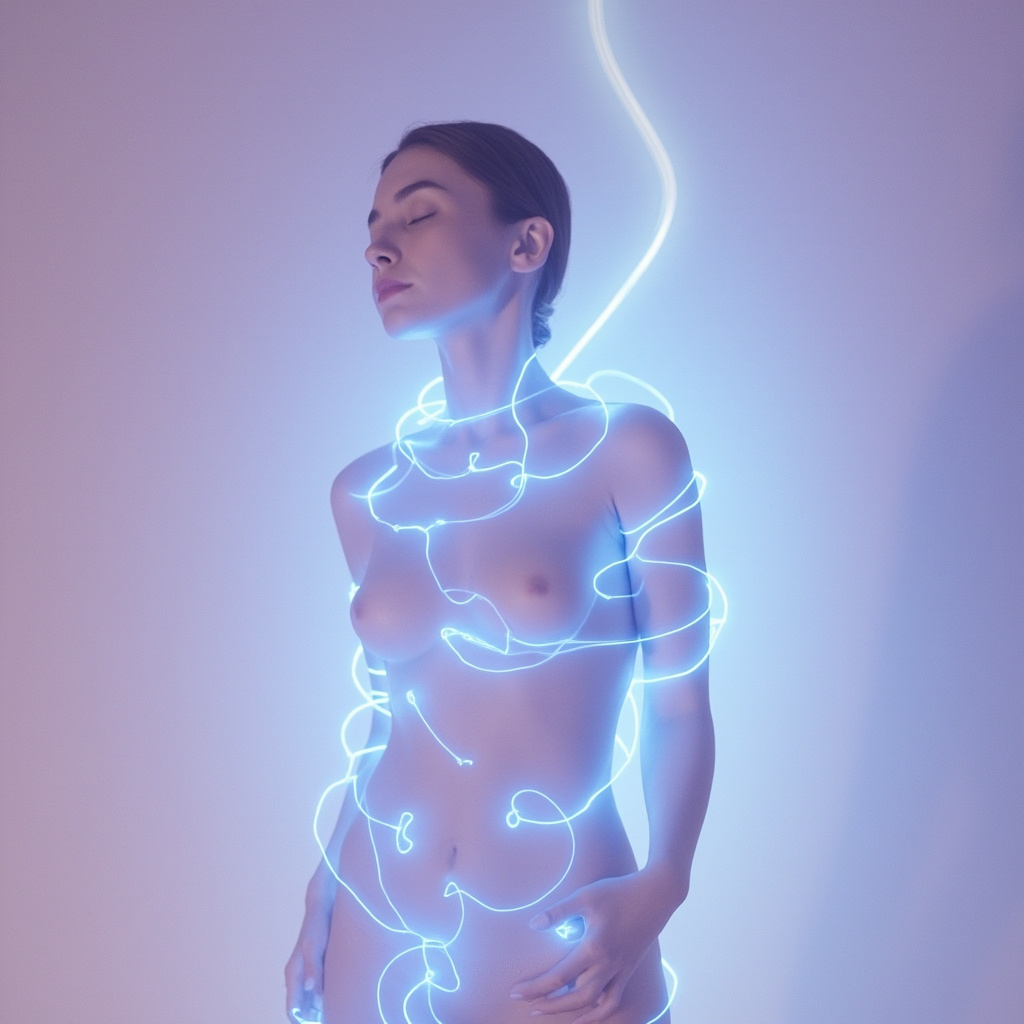
What is Chronic Urticaria Emotional 7?
Chronic urticaria means hives that come back again and again, often without a clear cause. These red, raised welts itch intensely and can appear anywhere on the body. Chronic Urticaria Emotional 7 points to a specific pattern where emotions and stress play a key role. It shows up as imbalances in your body's electrical signals, linking skin reactions to inner tension.
This pattern involves areas like the stomach, head, skin, face, spine, and overall energy flow. When stress builds, it disrupts these areas, leading to flare-ups. Think of it as your body waving a flag: skin discomfort tied to emotional pressure.
The Strong Link Between Stress and Hives
Stress does not just feel bad—it can show up on your skin. Recent studies confirm this connection. For example, research from 2025 found people with chronic urticaria have up to four times higher odds of anxiety, depression, insomnia, and even psychological stress itself. The cycle is vicious: hives disrupt sleep and confidence, ramping up worry, which then triggers more hives.
Why does this happen? When you feel anxious, your body releases chemicals that activate skin cells called mast cells. These cells release histamine, causing welts and itch. Stress also raises your core temperature, another hive trigger. Over time, constant flares lead to fatigue, social withdrawal, and low mood.
Common Signs and Symptoms
Watch for these clues that emotions may be fueling your hives:
- Recurrent hives: Welts that last more than six weeks, often on the face, arms, or torso.
- Intense itching: Worse at night, disrupting sleep.
- Stress-related flare-ups: Outbreaks after arguments, deadlines, or emotional strain.
- Linked discomfort: Stomach upset, headaches, or back tension alongside skin issues.
- Emotional toll: Irritability, anxiety, or feeling overwhelmed.
If these sound familiar, your body might be signaling deeper balance needs.
How Emotions Affect Your Body's Balance
Your nervous system ties mind and skin closely. High stress lowers heart rate variability (HRV), a measure of how well you adapt to pressure. Low HRV means poorer emotional regulation, making hives more likely. Biomarkers like those in Chronic Urticaria Emotional 7 capture this: agitation in energy pathways around the stomach (digestion under stress), head (tension headaches), skin (direct itch), face (swelling), spine (held tension), and Qi (life energy flow).
Traditional approaches, like certain acupoints, target these spots. BL50 supports stomach calm, GB5 eases head and skin, facial points reduce puffiness (used carefully), GV7 aligns the spine, and TH12 smooths energy. Modern views align: calming these hubs reduces stress signals to the skin.
Steps Toward Emotional and Skin Relief
Break the cycle with simple, proven strategies:
- Track patterns: Note hive flares with stress levels or sleep.
- Relax daily: Try deep breathing or short walks to boost HRV.
- Mindfulness: Five minutes focusing on breath cuts anxiety.
- Sleep support: Cool room, no screens before bed.
- Connect: Talk to friends or a therapist—sharing lightens the load.
- Body feedback: Tools measuring electrical activity reveal hidden patterns for targeted calm.
In practices like BioCoherence, these signals guide personalized support. Frequencies matching key structures help resonate back to balance, easing both itch and inner unrest.
Hope for Lasting Calm
You can soothe hives and stress together. By addressing emotional roots, skin clears faster, and resilience grows. Track progress: fewer flares mean better mood and energy. Recent data shows mental health support improves outcomes. Start small—your body listens when you tune in.
This pattern reminds us: skin health mirrors emotional health. Balance one, and the other follows.
- 1. joinblossomhealth.com
- 2. allergyasthmanetwork.org
- 3. sciencedirect.com
- 4. pmc.ncbi.nlm.nih.gov
- 5. theflowspace.com
- 6. cureus.com
- 7. research.uees.edu.ec
- 8. healthline.com
- 9. pmc.ncbi.nlm.nih.gov
- 10. pmc.ncbi.nlm.nih.gov
- 11. clinicaltherapeutics.com
- 12. health.clevelandclinic.org
- 13. sciencedirect.com
- 14. link.springer.com
- 15. resources.healthgrades.com
- 16. my.clevelandclinic.org
- 17. health.clevelandclinic.org
- 18. mdpi.com
- 19. pubmed.ncbi.nlm.nih.gov
- 20. nanospace.store
- 21. annallergy.org
- 22. pmc.ncbi.nlm.nih.gov
- 23. pmc.ncbi.nlm.nih.gov
- 24. mcgarciaallergy.com
- 25. dermatologytimes.com
- 26. doctronic.ai
- 27. millcreekderm.com
- 28. youtube.com
- 29. goodrx.com
相关文章
术语表
- 能量和思维结构 > 监管
- 能量和思维结构 > 心理
- 能量和思维结构 > 信心
- 身体区域 > 头部
- 身体区域 > 面部
- 能量和思维结构 > BL50
- 能量和思维结构 > TH12
- 中医食谱 > 慢性荨麻疹:缓解与压力相关的荨麻疹
- 中医食谱 > 皮肤健康:治疗痤疮和湿疹的 remedies
- 中医食谱 > 胃的健康:消化问题的天然疗法
- 中医食谱 > 心脏健康:焦虑和心悸的疗法
- 中医食谱 > 草本缓解:提升情绪的中医方法
- 中医食谱 > 提升你的能量:缓解疲劳的中医食谱
- 能量和思维结构 > 睡眠
- 能量和思维结构 > 压力
- 刺激 > 月亮 - 鼻腔,呼吸,味觉
- 双耳节拍 > 过敏缓解:免疫平衡的双耳节拍
- 双耳节拍 > 神经系统:情感平衡与放松程序
- 刺激 > 荨麻疹
- 刺激 > 铅
see also...
- 能量和思维结构 > 心率变异性
- 能量和思维结构 > 身体区域 > 胸部的
- 能量和思维结构 > 中医食谱 > 缓解紧张性头痛:减轻压力的自然方法
- Testimonials > 声音疗法导致恶心下降61%和头痛下降58%
- 双耳节拍 > 刺激 > 骶骨、锌等
- 双耳节拍 > 转变:个人变化的声音之旅