


Chronic Urticaria Emotional 7: Ease Hives & Stress
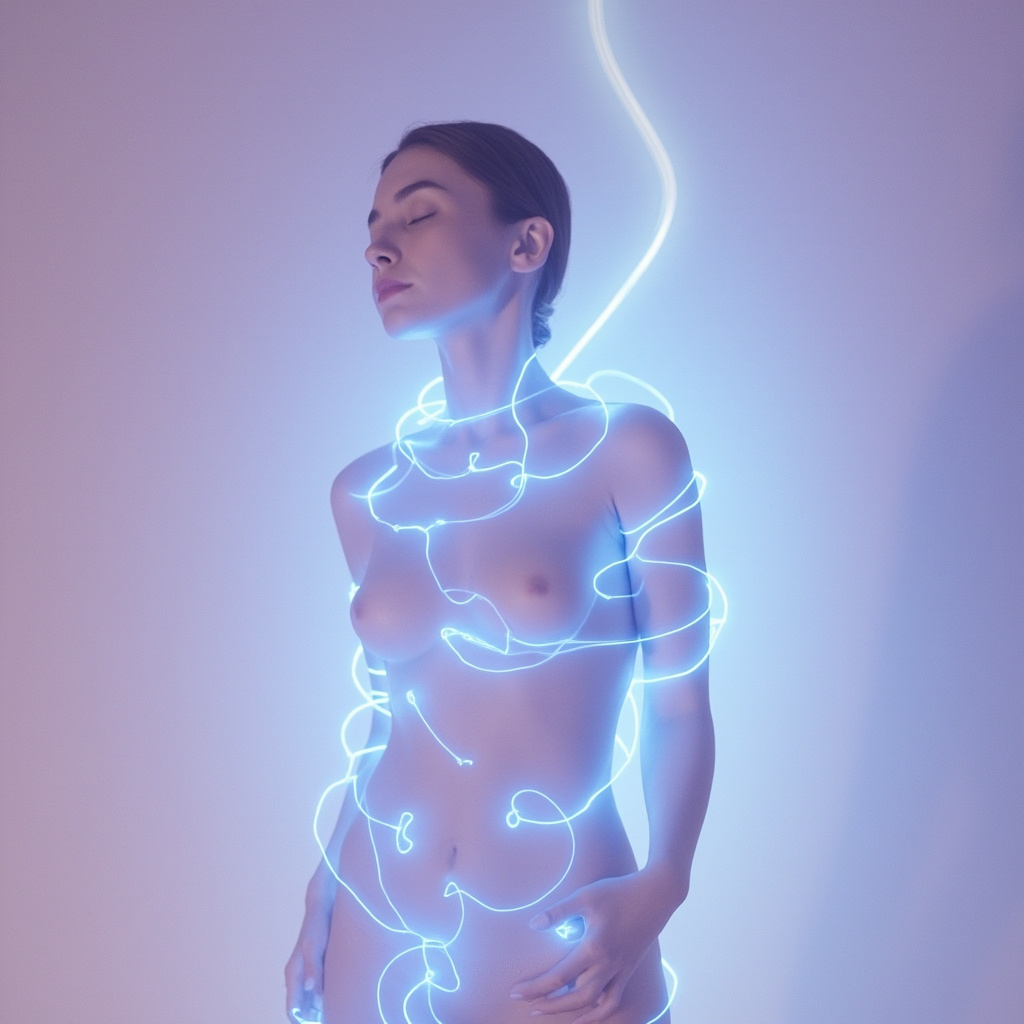
What is Chronic Urticaria Emotional 7?
Chronic urticaria means hives that come back again and again, often without a clear cause. These red, raised welts itch intensely and can appear anywhere on the body. Chronic Urticaria Emotional 7 points to a specific pattern where emotions and stress play a key role. It shows up as imbalances in your body's electrical signals, linking skin reactions to inner tension.
This pattern involves areas like the stomach, head, skin, face, spine, and overall energy flow. When stress builds, it disrupts these areas, leading to flare-ups. Think of it as your body waving a flag: skin discomfort tied to emotional pressure.
The Strong Link Between Stress and Hives
Stress does not just feel bad—it can show up on your skin. Recent studies confirm this connection. For example, research from 2025 found people with chronic urticaria have up to four times higher odds of anxiety, depression, insomnia, and even psychological stress itself. The cycle is vicious: hives disrupt sleep and confidence, ramping up worry, which then triggers more hives.
Why does this happen? When you feel anxious, your body releases chemicals that activate skin cells called mast cells. These cells release histamine, causing welts and itch. Stress also raises your core temperature, another hive trigger. Over time, constant flares lead to fatigue, social withdrawal, and low mood.
Common Signs and Symptoms
Watch for these clues that emotions may be fueling your hives:
- Recurrent hives: Welts that last more than six weeks, often on the face, arms, or torso.
- Intense itching: Worse at night, disrupting sleep.
- Stress-related flare-ups: Outbreaks after arguments, deadlines, or emotional strain.
- Linked discomfort: Stomach upset, headaches, or back tension alongside skin issues.
- Emotional toll: Irritability, anxiety, or feeling overwhelmed.
If these sound familiar, your body might be signaling deeper balance needs.
How Emotions Affect Your Body's Balance
Your nervous system ties mind and skin closely. High stress lowers heart rate variability (HRV), a measure of how well you adapt to pressure. Low HRV means poorer emotional regulation, making hives more likely. Biomarkers like those in Chronic Urticaria Emotional 7 capture this: agitation in energy pathways around the stomach (digestion under stress), head (tension headaches), skin (direct itch), face (swelling), spine (held tension), and Qi (life energy flow).
Traditional approaches, like certain acupoints, target these spots. BL50 supports stomach calm, GB5 eases head and skin, facial points reduce puffiness (used carefully), GV7 aligns the spine, and TH12 smooths energy. Modern views align: calming these hubs reduces stress signals to the skin.
Steps Toward Emotional and Skin Relief
Break the cycle with simple, proven strategies:
- Track patterns: Note hive flares with stress levels or sleep.
- Relax daily: Try deep breathing or short walks to boost HRV.
- Mindfulness: Five minutes focusing on breath cuts anxiety.
- Sleep support: Cool room, no screens before bed.
- Connect: Talk to friends or a therapist—sharing lightens the load.
- Body feedback: Tools measuring electrical activity reveal hidden patterns for targeted calm.
In practices like BioCoherence, these signals guide personalized support. Frequencies matching key structures help resonate back to balance, easing both itch and inner unrest.
Hope for Lasting Calm
You can soothe hives and stress together. By addressing emotional roots, skin clears faster, and resilience grows. Track progress: fewer flares mean better mood and energy. Recent data shows mental health support improves outcomes. Start small—your body listens when you tune in.
This pattern reminds us: skin health mirrors emotional health. Balance one, and the other follows.
- 1. joinblossomhealth.com
- 2. allergyasthmanetwork.org
- 3. sciencedirect.com
- 4. pmc.ncbi.nlm.nih.gov
- 5. theflowspace.com
- 6. cureus.com
- 7. research.uees.edu.ec
- 8. healthline.com
- 9. pmc.ncbi.nlm.nih.gov
- 10. pmc.ncbi.nlm.nih.gov
- 11. clinicaltherapeutics.com
- 12. health.clevelandclinic.org
- 13. sciencedirect.com
- 14. link.springer.com
- 15. resources.healthgrades.com
- 16. my.clevelandclinic.org
- 17. health.clevelandclinic.org
- 18. mdpi.com
- 19. pubmed.ncbi.nlm.nih.gov
- 20. nanospace.store
- 21. annallergy.org
- 22. pmc.ncbi.nlm.nih.gov
- 23. pmc.ncbi.nlm.nih.gov
- 24. mcgarciaallergy.com
- 25. dermatologytimes.com
- 26. doctronic.ai
- 27. millcreekderm.com
- 28. youtube.com
- 29. goodrx.com
المشاركات ذات الصلة
قاموس المصطلحات
- الطاقة والهياكل الذهنية > تنظيم
- الطاقة والهياكل الذهنية > عقلي
- الطاقة والهياكل الذهنية > الثقة
- مناطق الجسم > رأس
- مناطق الجسم > وجه
- الطاقة والهياكل الذهنية > BL50
- الطاقة والهياكل الذهنية > TH12
- وصفات الطب الصيني التقليدي > الشرى المزمن: تخفيف من الشرى المرتبط بالتوتر
- وصفات الطب الصيني التقليدي > صحة البشرة: علاجات لحب الشباب والأكزيما
- وصفات الطب الصيني التقليدي > صحة المعدة: العلاجات الطبيعية لمشاكل الهضم
- وصفات الطب الصيني التقليدي > صحة القلب: علاجات للقلق والخفقان
- وصفات الطب الصيني التقليدي > تخفيف الأعشاب: نهج الطب الصيني التقليدي لرفع مزاجك
- وصفات الطب الصيني التقليدي > زيادة طاقتك: وصفة الطب التقليدي الصيني لتخفيف التعب
- الطاقة والهياكل الذهنية > نوم
- الطاقة والهياكل الذهنية > إجهاد
- محفزات > القمر - الممر الأنفي، التنفس، الطعم
- نغمات ثنائية الأذن > تخفيف الحساسية: نبضات ثنائية الأذنين لتحقيق توازن المناعة
- نغمات ثنائية الأذن > الجهاز العصبي: برنامج لتحقيق التوازن العاطفي والاسترخاء
- محفزات > طفح جلدي
- محفزات > الرصاص
see also...
- الطاقة والهياكل الذهنية > HRV
- الطاقة والهياكل الذهنية > مناطق الجسم > الصدرية
- الطاقة والهياكل الذهنية > وصفات الطب الصيني التقليدي > تخفيف صداع التوتر: نهج طبيعي لتخفيف الضغط
- Testimonials > انخفاض بنسبة 61% في الغثيان و58% في الصداع من العلاج الصوتي
- نغمات ثنائية الأذن > محفزات > العجز، الزنك، إلخ
- نغمات ثنائية الأذن > التحول: رحلة صوتية للتغيير الشخصي