


肺組織:呼吸、悲しみ、内なる落ち着き
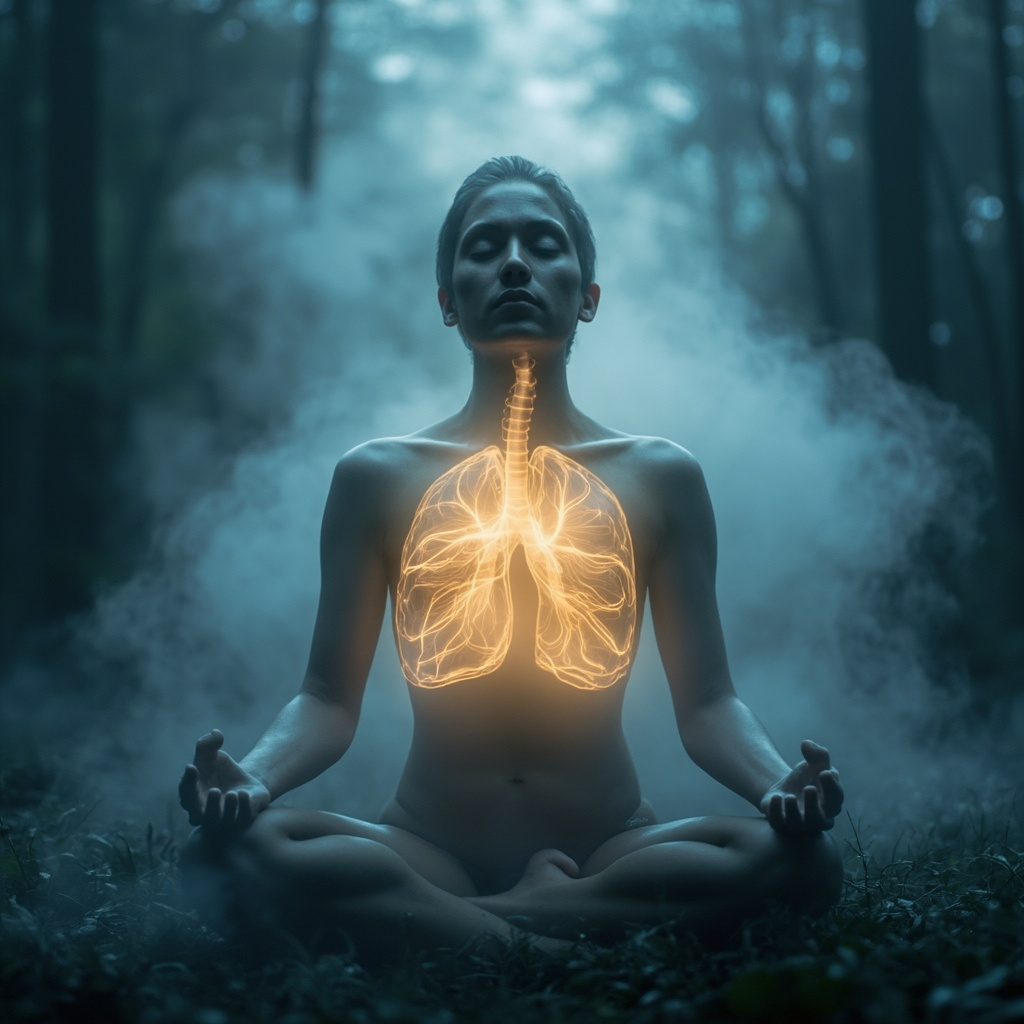
What is Lung Tissue?
Lung tissue sits deep in your chest, forming the spongy core of your lungs. Learn more. It acts like a bridge, swapping oxygen from the air you breathe into your blood, while sending out carbon dioxide. This quiet exchange keeps your body fueled with life-giving oxygen.
When lung tissue works well, you feel energized and clear-headed. Breathing comes easy, supporting everything from daily movement to restful sleep.
When Lung Tissue Needs Support
If lung tissue struggles, you might notice shortness of breath, tiredness, or low stamina. Conditions like asthma or scarring can make this swap harder, starving cells of oxygen and leaving you drained.
Common signs include:
These can stem from pollution, smoking, or infections, slowing your body's rhythm.
The Emotional Side of Breathing
Your lungs connect deeply to feelings. In many traditions, they store grief, sadness, and that trapped sense of loss. Unprocessed sorrow can tighten the chest, mirroring emotional weight in physical tension.
Think of a heavy heart extending to shallow breaths. Holding onto past hurts may show as restricted lung flow, creating a cycle of emotional and physical strain.
Lung Tissue as Your Ally
Healthy lung tissue offers more than air. It delivers oxygen to boost energy across your body, aiding recovery and clarity. As a resource, it helps release stored grief, easing stress and promoting emotional flow.
It supports:
- Steady energy for daily life
- Better mood through full breaths
- Release of old tensions for inner peace
Meditation Paths to Lung Balance
Simple meditation builds lung resilience. Focus on breath to calm the nervous system, tracked by markers like heart rate variability (HRV) and stress levels. Better HRV signals stronger relaxation and adaptability.
Start with these practices:
Diaphragmatic Breathing
Inhale deeply through your nose for 4 counts, letting your belly rise. Exhale slowly for 6 counts. Feel your lungs expand fully. Do this 5 minutes daily to open tissue and soothe grief.
Mindful Chest Awareness
Sit quietly. Place hands on your chest. Breathe into the lung area, noticing any tightness. With each out-breath, release sadness like mist. This invites emotional balance.
Grief-Release Breath
Inhale peace, exhale sorrow. Repeat: "I breathe in ease, I let go of grief." Pair with gentle movement, like shoulder rolls, to free stored emotions.
These shift stress biomarkers, enhancing HRV and lung efficiency. Recent studies show mind-body practices, including yoga breathing, improve lung function in those with breathing challenges, boosting capacity and ease.
Why It Matters for Your Well-Being
Balanced lung tissue fuels vitality and emotional steadiness. Shallow breaths from stress or grief dim your spark; full ones ignite it.
Regular practice refines your inner calm, using breath as a bridge to peace. Track how your energy and mood lift with consistent sessions. Your lungs, as emotional guardians, thrive on this attention, supporting a lighter, freer you.
- 1. anoasisofhealing.com
- 2. x.com
- 3. cymbiotika.com
- 4. physio-pedia.com
- 5. pmc.ncbi.nlm.nih.gov
- 6. x.com
- 7. othership.us
- 8. instagram.com
- 9. breatheclinicguwahati.com
- 10. pmc.ncbi.nlm.nih.gov
- 11. youtube.com
- 12. nationalgeographic.com
- 13. internationalmedicaljournal.org
- 14. sciencedirect.com
- 15. naturalhealthresearch.org
- 16. pmc.ncbi.nlm.nih.gov
- 17. pmc.ncbi.nlm.nih.gov
- 18. humanap.community.uaf.edu
- 19. x.com
- 20. youtube.com
- 21. publications.ersnet.org
- 22. artofliving.org
- 23. jpsmjournal.com
- 24. youtube.com
- 25. o-p-e-n.com
- 26. pmc.ncbi.nlm.nih.gov
- 27. elportalcancercenter.com
- 28. researchgate.net
- 29. sciencedirect.com
- 30. insighttimer.com
- 31. x.com
- 32. prajnayoga.com
- 33. pmc.ncbi.nlm.nih.gov
- 34. help.elitehrv.com
- 35. facebook.com
- 36. journals.lww.com
- 37. doi.org
- 38. healthcare-bulletin.co.uk
- 39. x.com
- 40. cureus.com
- 41. youtube.com
- 42. facebook.com
- 43. ftp.mamanaturalbirth.com
- 44. hmenews.com
- 45. nature.com
関連投稿
用語集
- エネルギーと心の構造 > 酸素
- エネルギーと心の構造 > 炭素
- エネルギーと心の構造 > 集中コヒーレンス; フォーカス
- エネルギーと心の構造 > 悲しみ
- エネルギーと心の構造 > 平和
- エネルギーと心の構造 > 悲しみ
- 身体ゾーン > 肺
- 身体ゾーン > 組織
- 身体ゾーン > 鼻
- 身体ゾーン > 胸部
- 中医学レシピ > 楽に呼吸:喘息の症状を和らげる
- 中医学レシピ > 感情のバランス:不安と不眠を和らげるためのTCMガイド
- 中医学レシピ > エネルギーを高める:低エネルギーと疲労のためのシンプルな治療法
- 中医学レシピ > 心臓の健康:不安と動悸のための療法
- 中医学レシピ > 肺のサポート:呼吸器の健康のためのTCMレシピ
- 中医学レシピ > エネルギーを高める:疲労回復のためのTCMレシピ
- エネルギーと心の構造 > 睡眠
- エネルギーと心の構造 > 活力
- エネルギーと心の構造 > 動き
- エネルギーと心の構造 > シータ 4.31-6.97 Hz。軽い睡眠、瞑想。
- エネルギーと心の構造 > ストレス
- 刺激 > 月 - 鼻腔、呼吸、味覚
- バイノーラルビート > 瘢痕:傷跡に関連する身体と感情の癒し
- バイノーラルビート > 神経系:感情のバランスとリラクゼーションのためのプログラム
- 刺激 > 血液