


Tessuto polmonare: Respiro, Dolore, Calma interiore
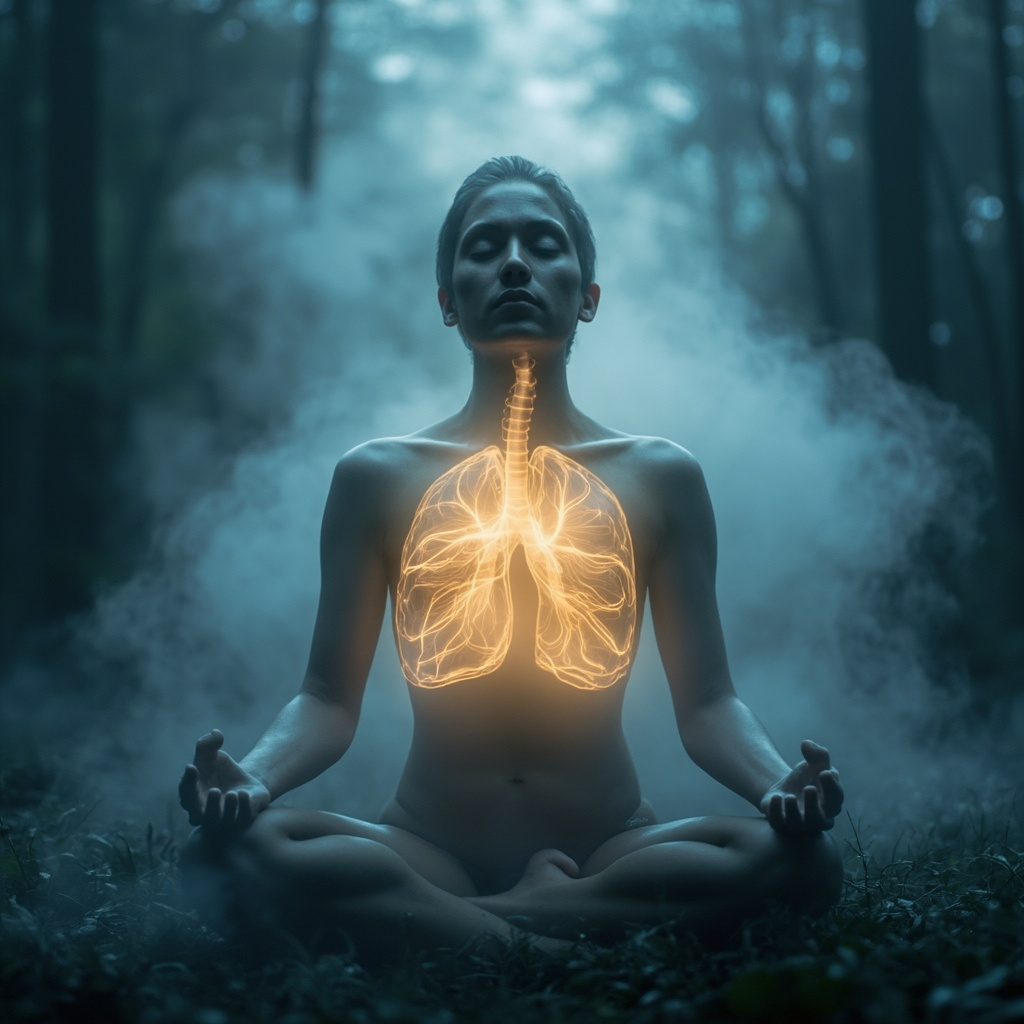
What is Lung Tissue?
Lung tissue sits deep in your chest, forming the spongy core of your lungs. Learn more. It acts like a bridge, swapping oxygen from the air you breathe into your blood, while sending out carbon dioxide. This quiet exchange keeps your body fueled with life-giving oxygen.
When lung tissue works well, you feel energized and clear-headed. Breathing comes easy, supporting everything from daily movement to restful sleep.
When Lung Tissue Needs Support
If lung tissue struggles, you might notice shortness of breath, tiredness, or low stamina. Conditions like asthma or scarring can make this swap harder, starving cells of oxygen and leaving you drained.
Common signs include:
These can stem from pollution, smoking, or infections, slowing your body's rhythm.
The Emotional Side of Breathing
Your lungs connect deeply to feelings. In many traditions, they store grief, sadness, and that trapped sense of loss. Unprocessed sorrow can tighten the chest, mirroring emotional weight in physical tension.
Think of a heavy heart extending to shallow breaths. Holding onto past hurts may show as restricted lung flow, creating a cycle of emotional and physical strain.
Lung Tissue as Your Ally
Healthy lung tissue offers more than air. It delivers oxygen to boost energy across your body, aiding recovery and clarity. As a resource, it helps release stored grief, easing stress and promoting emotional flow.
It supports:
- Steady energy for daily life
- Better mood through full breaths
- Release of old tensions for inner peace
Meditation Paths to Lung Balance
Simple meditation builds lung resilience. Focus on breath to calm the nervous system, tracked by markers like heart rate variability (HRV) and stress levels. Better HRV signals stronger relaxation and adaptability.
Start with these practices:
Diaphragmatic Breathing
Inhale deeply through your nose for 4 counts, letting your belly rise. Exhale slowly for 6 counts. Feel your lungs expand fully. Do this 5 minutes daily to open tissue and soothe grief.
Mindful Chest Awareness
Sit quietly. Place hands on your chest. Breathe into the lung area, noticing any tightness. With each out-breath, release sadness like mist. This invites emotional balance.
Grief-Release Breath
Inhale peace, exhale sorrow. Repeat: "I breathe in ease, I let go of grief." Pair with gentle movement, like shoulder rolls, to free stored emotions.
These shift stress biomarkers, enhancing HRV and lung efficiency. Recent studies show mind-body practices, including yoga breathing, improve lung function in those with breathing challenges, boosting capacity and ease.
Why It Matters for Your Well-Being
Balanced lung tissue fuels vitality and emotional steadiness. Shallow breaths from stress or grief dim your spark; full ones ignite it.
Regular practice refines your inner calm, using breath as a bridge to peace. Track how your energy and mood lift with consistent sessions. Your lungs, as emotional guardians, thrive on this attention, supporting a lighter, freer you.
- 1. anoasisofhealing.com
- 2. x.com
- 3. cymbiotika.com
- 4. physio-pedia.com
- 5. pmc.ncbi.nlm.nih.gov
- 6. x.com
- 7. othership.us
- 8. instagram.com
- 9. breatheclinicguwahati.com
- 10. pmc.ncbi.nlm.nih.gov
- 11. youtube.com
- 12. nationalgeographic.com
- 13. internationalmedicaljournal.org
- 14. sciencedirect.com
- 15. naturalhealthresearch.org
- 16. pmc.ncbi.nlm.nih.gov
- 17. pmc.ncbi.nlm.nih.gov
- 18. humanap.community.uaf.edu
- 19. x.com
- 20. youtube.com
- 21. publications.ersnet.org
- 22. artofliving.org
- 23. jpsmjournal.com
- 24. youtube.com
- 25. o-p-e-n.com
- 26. pmc.ncbi.nlm.nih.gov
- 27. elportalcancercenter.com
- 28. researchgate.net
- 29. sciencedirect.com
- 30. insighttimer.com
- 31. x.com
- 32. prajnayoga.com
- 33. pmc.ncbi.nlm.nih.gov
- 34. help.elitehrv.com
- 35. facebook.com
- 36. journals.lww.com
- 37. doi.org
- 38. healthcare-bulletin.co.uk
- 39. x.com
- 40. cureus.com
- 41. youtube.com
- 42. facebook.com
- 43. ftp.mamanaturalbirth.com
- 44. hmenews.com
- 45. nature.com
Post correlati
Glossario
- Strutture di energia e mente > ossigeno
- Strutture di energia e mente > carbonio
- Strutture di energia e mente > Coerenza Focalizzata; Focus
- Strutture di energia e mente > Tristezza
- Strutture di energia e mente > Pace
- Strutture di energia e mente > Lutto
- Zone del corpo > polmoni
- Zone del corpo > tessuto
- Zone del corpo > naso
- Zone del corpo > petto
- Ricette TCM > Respira facilmente: Sollievo per i sintomi dell'asma
- Ricette TCM > Equilibrio Emozionale: Una Guida TCM per Calmarsi Ansia e Insonnia
- Ricette TCM > Aumentare l'energia: Un rimedio semplice per la bassa energia e la fatica
- Ricette TCM > Salute del cuore: Rimedi per l'ansia e le palpitazioni
- Ricette TCM > Supporto Polmonare: Una Ricetta TCM per la Salute Respiratoria
- Ricette TCM > Aumenta la tua energia: Una ricetta TCM per alleviare la fatica
- Strutture di energia e mente > sonno
- Strutture di energia e mente > vitalità
- Strutture di energia e mente > movimento
- Strutture di energia e mente > Theta; 4.31-6.97 Hz. Sonno leggero, meditazione.
- Strutture di energia e mente > Stress
- Stimoli > Luna - Cavità Naso, Respirazione, Gusto
- Battiti binaurali > Cicatrici: Guarigione del corpo e delle emozioni collegate alle cicatrici
- Battiti binaurali > Sistema Nervoso: Un Programma per l'Equilibrio Emozionale e il Rilassamento
- Stimoli > Sangue
see also...
- Strutture di energia e mente > HRV
- Strutture di energia e mente > Zone del corpo > sostanza nigra
- Strutture di energia e mente > Ricette TCM > Alleviamento del mal di testa da tensione: Un approccio naturale per alleviare lo stress
- Testimonials > 61% di riduzione della nausea e 58% di mal di testa grazie alla terapia sonora
- Battiti binaurali > Stimoli > Variolinum
- Battiti binaurali > Trasmutazione: Un Viaggio Sonoro per il Cambiamento Personale