


Lung Lobes: TCM Breath, Grief Harmony Hub
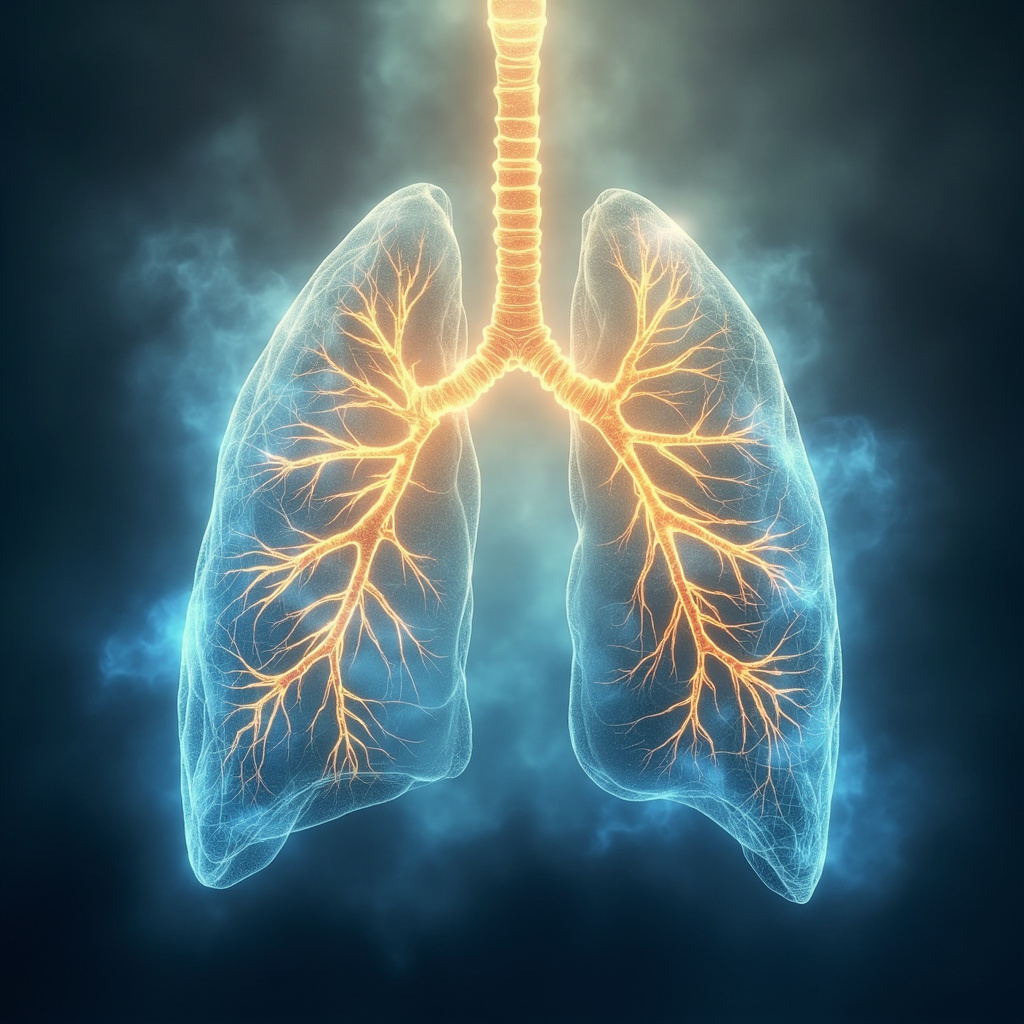
Our lung lobes are the hardworking sections of the lungs that make breathing possible. The right lung has three lobes-upper, middle, and lower-while the left has two. They sit in the chest cavity, swapping oxygen for carbon dioxide with every breath. Healthy lobes keep our blood rich in oxygen and our body energized. For more details, see the lobes glossary.
In Traditional Chinese Medicine (TCM), the lungs-and their lobes-play a deeper role. They belong to the metal element, governing the flow of qi (vital energy), the skin's protection, and the body's boundaries. The lungs descend qi downward, like a gentle rain nourishing the earth. But they also hold the emotions of grief, sadness, fear, and anxiety. When these feelings linger unresolved, they can weaken the lung lobes, leading to tight chests, short breaths, and low energy.
Emotional Links to Lung Lobes
TCM teaches that the lungs process letting go, much like exhaling waste. Unresolved grief-from loss, betrayal, or unmet dreams-can stagnate qi in the lung lobes. This shows up as a sense of suffocation, fear of the future, or feeling trapped in life. Anxiety adds agitation, making breaths shallow and rapid. Modern insights echo this: chronic stress and suppressed emotions raise inflammation and disrupt oxygen flow, harming lung tissue. A healing center notes how grief imprints on the lungs, weakening immunity and causing chest tightness.
Physical signs often mirror emotional ones:
- Shortness of breath or chronic cough
- Fatigue and weak voice
- Frequent colds or allergies
- Dry skin or poor circulation
In BioCoherence, we assess the lung lobes' biomarkers from electrical activity recordings. Low energy signals qi deficiency; high agitation points to heat or stagnation. Links to other areas-like the heart for joy or kidneys for fear-reveal the full picture.
Lung Lobes as a Resource
When balanced, lung lobes support the whole body. They boost oxygen delivery, aiding metabolism and clearing waste. Emotionally, they calm fear, ease grief, and foster courage. As a TCM ally, they strengthen wei qi (defensive energy), guarding against illness. They help the spleen digest emotions and the liver smooth anger, creating yin-yang harmony.
Imagine calling on lung lobes during stress: deep breaths expand them, releasing old sorrows and inviting fresh qi.
Restoring Harmony in Lung Lobes
TCM offers practical paths to balance:
Breath Practices
- Coherent breathing: Inhale and exhale for 5 counts each, 5-6 breaths per minute. This steadies the nervous system and descends lung qi.
- 4-7-8 breath: Inhale 4, hold 7, exhale 8 to melt anxiety.
Acupuncture and Meridians The lung meridian runs from the chest to the thumb, passing the lobes. Points like LU1 (middle palace) open the chest; LU7 releases grief. These tune qi flow.
Herbs and Foods
- Astragalus boosts lung qi and immunity.
- Mullein soothes membranes; ginger clears congestion. Eat berries, garlic, and turmeric for anti-inflammatory support.
Lifestyle Tips
- Journal unspoken grief: "What am I ready to release?"
- Gentle yoga: Chest openers like child's pose.
- Qigong: Arm circles with breath to circulate lung qi.
In BioCoherence, resonance frequencies target lung lobe biomarkers directly, calming agitation and boosting energy. Combined with TCM, this bridges ancient wisdom and modern data for true healing.
Balanced lung lobes mean freer breath, lighter heart, and stronger boundaries. Address grief to revive your qi-your body will thank you.
- 1. frontiersin.org
- 2. researchgate.net
- 3. pmc.ncbi.nlm.nih.gov
- 4. acuproacademy.com
- 5. aiu.edu
- 6. meine-tcm.com
- 7. uclahealth.org
- 8. youtube.com
- 9. pmc.ncbi.nlm.nih.gov
- 10. pmc.ncbi.nlm.nih.gov
- 11. journals.sagepub.com
- 12. nature.com
- 13. prismacu.com
- 14. facebook.com
- 15. yinyoga.com
- 16. nola.com
- 17. sciencedirect.com
- 18. lung.org
- 19. texascenterforlifestylemedicine.org
- 20. pinterest.com
- 21. anatomypubs.onlinelibrary.wiley.com
- 22. acupunctureproducts.com
- 23. pmc.ncbi.nlm.nih.gov
- 24. journals.lww.com
- 25. pharmacytimes.com
- 26. pmc.ncbi.nlm.nih.gov
- 27. benefitnews.com
- 28. brainmd.com
- 29. instagram.com
- 30. mdpi.com
- 31. acupuncture.com
- 32. anoasisofhealing.com
- 33. youtube.com
- 34. wjgnet.com
- 35. pmc.ncbi.nlm.nih.gov
- 36. lungevity.org
- 37. heraldopenaccess.us
- 38. tandfonline.com
- 39. sciencedirect.com
- 40. frontiersin.org
- 41. pubmed.ncbi.nlm.nih.gov
- 42. santaclaraacupuncture.com
- 43. instagram.com
- 44. nature.com
- 45. morningsideacupuncturenyc.com
- 46. pmc.ncbi.nlm.nih.gov
- 47. sunten.com
- 48. functionalkinesiology.co.uk
- 49. cnacupuncture.com
- 50. newsnetwork.mayoclinic.org
Related posts
Glossary
- Energy and mind Structures > oxygen
- Energy and mind Structures > carbon
- Energy and mind Structures > Earth
- Energy and mind Structures > Grief
- Energy and mind Structures > Letting go
- Energy and mind Structures > Stagnation
- Energy and mind Structures > Courage
- Energy and mind Structures > Immunity
- Body zones > kidneys
- Body zones > lungs
- Body zones > lobes
- Body zones > chest
- TCM Recipes > Skin Health: Remedies for Acne and Eczema
- TCM Recipes > Liver Health: A TCM Recipe for Balance and Calm
- TCM Recipes > Spleen Health: Boost Digestion, Appetite, and Energy
- TCM Recipes > Heart Health: Remedies for Anxiety and Palpitations
- TCM Recipes > Lung Support: A TCM Recipe for Respiratory Health
- TCM Recipes > Boost Your Energy: A TCM Recipe for Fatigue Relief
- Energy and mind Structures > Stress
- Energy and mind Structures > betrayal
- Stimuli > Ginger
- Stimuli > Moon - Nasal Passage, Breathing, Taste
- Binaural beats > Inflammation Relief: Heal Faster with Binaural Beats
- Binaural beats > Congestion: A Binaural Beat Program for Physical Relief
- Binaural beats > Nervous System: A Program for Emotional Balance and Relaxation
- Stimuli > Harmony
- Stimuli > Blood
- Stimuli > GAPDH, Metabolism
see also...
- Energy and mind Structures > betrayal
- Energy and mind Structures > Body zones > substantia nigra
- Energy and mind Structures > TCM Recipes > Tension Headache Relief: A Natural Approach to Ease Stress
- Testimonials > 61% Drop in Nausea and 58% in Headaches from Sound Therapy
- Binaural beats > Stimuli > Chakra Throat
- Binaural beats > Transmutation: A Sound Journey for Personal Change