


Бактерії Долоріс: Біль у кишечнику та емоційний стрес
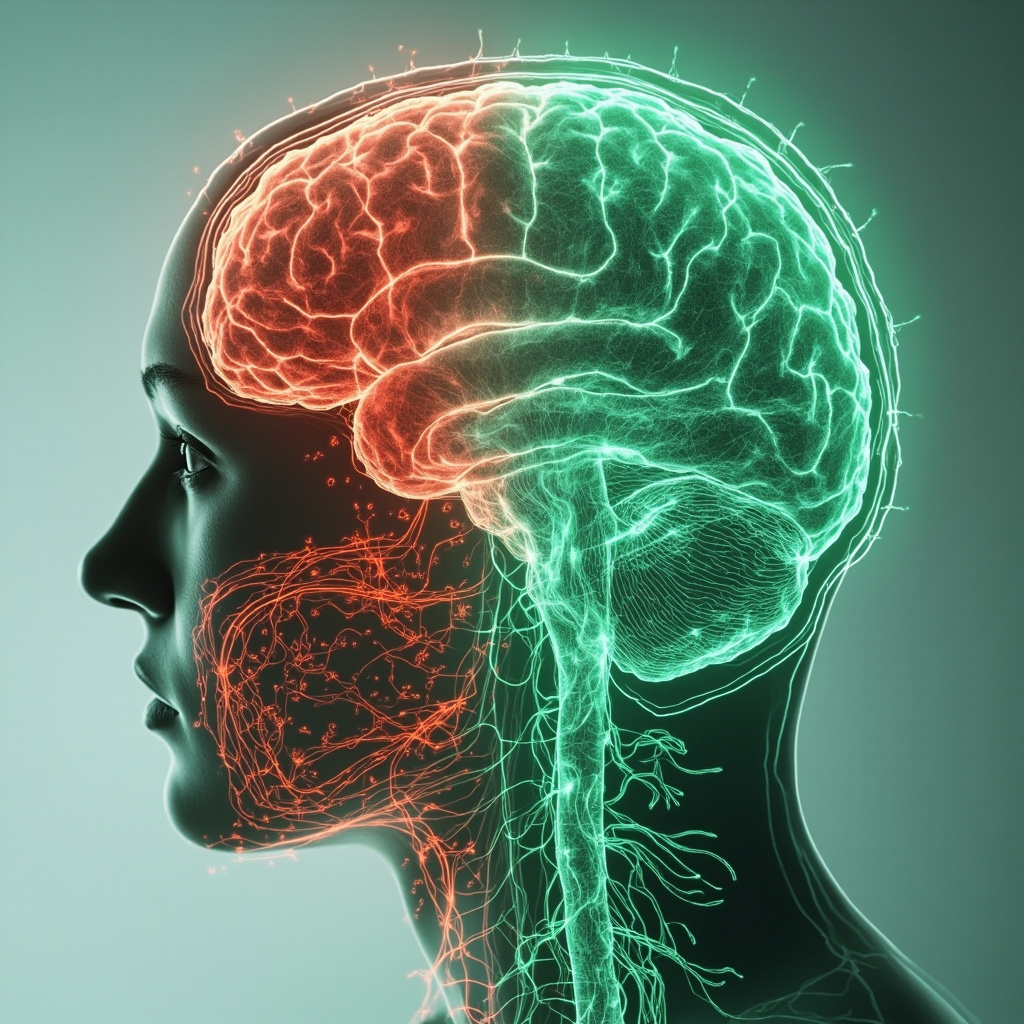
Doloris Bacteria highlights a microbial imbalance in the gut that can lead to significant physical and emotional challenges. Detected through patterns in the body's electrical activity, this biomarker points to bacteria targeting the stomach and intestines. See the full glossary entry.
Physical Impact on Digestion
When out of balance, Doloris Bacteria damages the gut lining and disrupts normal digestive flow. This results in severe gastrointestinal distress, including:
- Sharp stomach cramps and pain
- Bloating and gas after meals
- Nausea or upset stomach
- Irregular bowel movements, like diarrhea or constipation
These symptoms make daily life uncomfortable, pulling focus from work, rest, or joy. The gut, often called our second brain, sends constant signals when irritated.
Emotional Connections
The link between gut health and emotions is strong. Imbalanced Doloris Bacteria often triggers:
- Anxiety from ongoing discomfort
- A sense of distress and unease
- Frustration over persistent health worries
- Feelings of vulnerability, as if the body betrays you
As a psychologist, I observe this in clients with high stress levels. Gut irritation amplifies worry cycles, making small issues feel overwhelming. Research on the gut-brain axis shows how microbial signals influence mood, stress, and even heart rate variability (HRV). Low HRV indicates poor emotional regulation, often mirroring gut turmoil.
Studies confirm that gut imbalances contribute to anxiety and low mood. For instance, harmful bacteria can increase inflammation, which affects brain function and heightens emotional sensitivity.
Signs to Notice
Watch for patterns where physical gut issues pair with emotional shifts:
- Stomach pain worsens with stress
- Anxiety flares after meals
- Fatigue from poor digestion feeds irritability
- Restlessness or concern dominates thoughts
These clues suggest Doloris Bacteria may need attention. Early awareness prevents escalation.
Balancing as a Resource
Interestingly, Doloris Bacteria can shift from foe to friend. When in harmony, it supports:
- Repair of the gut lining
- Smoother digestion and less pain
- Reduced anxiety tied to physical discomfort
This balance fosters resilience, easing the emotional load. In my work, clients see measurable progress in stress biomarkers and HRV as gut health improves.
Insights from Biomarkers
Biomarkers for Doloris Bacteria reveal:
- Energy levels: Low energy signals weakness
- Agitation: High levels link to inflammation and tension
- Ties to overall stress and emotional patterns
Tracking these offers objective views of progress, beyond subjective feelings.
Practical Steps for Support
Support emotional and gut health with simple strategies:
- Mindfulness practices: Deep breathing calms the gut-brain signals. Try 5 minutes daily, focusing on belly breath.
- Relaxation techniques: Progressive muscle relaxation reduces agitation.
- Dietary choices: Fermented foods and fiber feed beneficial microbes, starving harmful ones.
- Movement: Gentle walks aid digestion and lower stress hormones.
- Biofeedback: Monitor HRV to see real-time emotional shifts.
For those exploring deeper, personalized audio frequencies and guided inner journeys target gut-emotion links effectively.
Recent findings reinforce this: nurturing gut microbes improves mental health, reducing anxiety symptoms through probiotics and diet changes.
By addressing Doloris Bacteria, you reclaim comfort in body and mind. Emotional stability follows physical harmony, building lasting resilience.
- 1. psychiatryonline.org
- 2. nervahealth.com
- 3. coherence.today
- 4. eurekalert.org
- 5. pmc.ncbi.nlm.nih.gov
- 6. nature.com
- 7. nature.com
- 8. health.harvard.edu
- 9. coherence.today
- 10. frontiersin.org
- 11. pmc.ncbi.nlm.nih.gov
- 12. facebook.com
- 13. youtube.com
- 14. npr.org
- 15. cas.org
- 16. zoe.com
- 17. frontiersin.org
- 18. neurosciencenews.com
- 19. zoe.com
- 20. facebook.com
- 21. coherence.today
- 22. coherence.today
- 23. usnews.com
- 24. youtube.com
- 25. time.com
- 26. medrxiv.org
- 27. coherence.today
- 28. brainfacts.org
- 29. pmc.ncbi.nlm.nih.gov
- 30. pharmacytimes.com
- 31. hopkinsmedicine.org
- 32. franciscanhealth.org
Схожі публікації
Глосарій
- Енергія та розум Структури > Зосереджена Когерентність; Фокус
- Енергія та розум Структури > Регулювання
- Енергія та розум Структури > Ментальний
- Енергія та розум Структури > Долоріс Бактерії
- Зони тіла > гормони
- Рецепти ТКМ > Полегшення травлення: Простий посібник для зменшення здуття та дискомфорту
- Рецепти ТКМ > Здоров'я шлунка: Природні засоби для проблем з травленням
- Рецепти ТКМ > Здоров'я серця: Засоби від тривоги та серцебиття
- Рецепти ТКМ > Покращення Мозку: Приберіть Туман, Покращте Зосередженість і Пам'ять
- Рецепти ТКМ > Підвищте свою енергію: Рецепт ТКМ для полегшення втоми
- Енергія та розум Структури > Травлення
- Енергія та розум Структури > Стрес
- Стимули > Місяць - Носовий прохід, Дихання, Смак
- Стимули > Біль
- Бінауральні біти > Зняття запалення: Швидше одужуйте з бінарними ритмами
- Бінауральні біти > Гармонія Кишечника: Покращення Травного Здоров'я та Балансу
- Стимули > Керівництво
- Стимули > Гармонія
see also...
- Енергія та розум Структури > ЧСС
- Енергія та розум Структури > Зони тіла > череп
- Енергія та розум Структури > Рецепти ТКМ > Полегшення головного болю напруги: Природний підхід до зменшення стресу
- Testimonials > 61% зниження нудоти та 58% головного болю завдяки звуковій терапії
- Бінауральні біти > Стимули > Сакральний, Цинк Тощо
- Бінауральні біти > Гармонія Кишечника: Покращення Травного Здоров'я та Балансу