


Diaphragm: Breath Muscle for Calm and Freedom
:## Understanding the Diaphragm
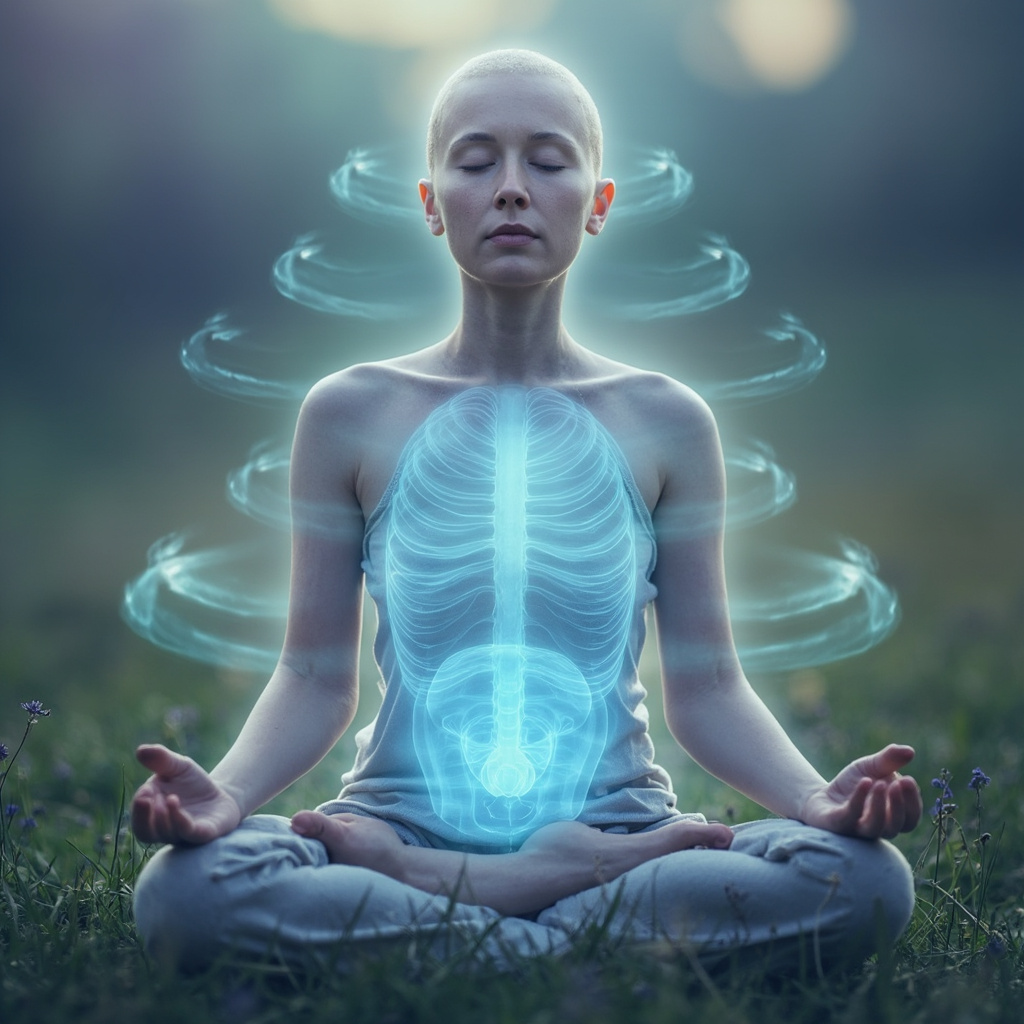
The diaphragm is a dome-shaped muscle sitting right under your lungs and heart. It acts like a natural piston, separating your chest from your belly. When you breathe in deeply, it contracts and flattens, making space for your lungs to fill with fresh air. This simple action boosts oxygen flow to every cell in your body.
A healthy diaphragm supports easy breathing and steady energy. But when tense or weak, it can lead to shallow breaths, fatigue, or even chest tightness. Many people breathe only from their chest during stress, missing the full power of this key muscle.
The Diaphragm's Role in Daily Health
Think of the diaphragm as your breath's engine:
- During inhalation: It drops down, expanding your chest cavity for fuller lungs.
- During exhalation: It rises, helping push out stale air and tension.
Good diaphragm function improves lung capacity, heart rhythm, and digestion. It also aids posture by stabilizing your core. In moments of calm, you naturally engage it, feeling grounded and alive.
Studies show diaphragmatic breathing lowers blood pressure and heart rate, signaling your body to relax.
Emotional Ties to the Diaphragm
Breath and emotion go hand in hand. The diaphragm channels your life force, but it often tightens with fear or anxiety. Feeling trapped? Struggling for control? These emotions can stiffen the muscle, leading to quick, shallow breaths that fuel worry.
On the flip side, a free diaphragm promotes emotional balance. Deep breaths release pent-up stress, much like sighing away tension. It connects to your nervous system, helping shift from fight-or-flight to rest-and-restore.
In meditation, we see this clearly. Biomarkers like heart rate variability (HRV) improve with diaphragm-focused breathwork, showing better stress resilience and emotional steadiness.
Signs Your Diaphragm Needs Attention
Watch for these common clues:
- Shallow breathing or sighing often.
- Tightness in the upper belly or ribs.
- Frequent anxiety, especially with chest discomfort.
- Low energy or poor sleep from reduced oxygen.
If stress biomarkers rise or agitation lingers, your diaphragm may hold the key.
Meditation Practices to Balance Your Diaphragm
As a meditation coach, I guide you to awaken this muscle for inner calm. Start simple:
Belly Breath Exercise
- Lie down or sit tall. Place one hand on your chest, one on your belly.
- Inhale slowly through your nose for 4 counts. Feel your belly rise as the diaphragm drops-chest stays still.
- Exhale through pursed lips for 6 counts, letting the belly fall.
- Repeat 5-10 times, noticing calm spread.
This builds HRV, eases agitation, and regulates emotions.
Guided Awareness Meditation
Close your eyes. Bring attention to your diaphragm:
- Sense its dome under your ribs.
- Breathe into it as a resource for relaxation.
- If tense, invite softness: "Release fear, embrace freedom."
- Visualize oxygen flowing freely, balancing body and mind.
Practice daily for 10 minutes. Over time, it enhances focus, mood, and vitality.
Advanced Breath for Emotional Release
- Inhale deeply, filling belly then chest.
- Hold briefly, feeling the diaphragm steady.
- Exhale fully, releasing held emotions like anxiety or control struggles.
Tie this to mindfulness: Observe breath without judgment, refining your nervous system.
Diaphragm as Your Inner Ally
When strong, the diaphragm supports other body parts with better oxygen and relaxation. It fights exhaustion, boosts immunity, and clears the mind. Use it in contemplative practice to unlock hidden calm.
Regular attention transforms breathing patterns, cutting stress at its root. You gain autonomy over emotions, breathing freely toward well-being.
Embrace your diaphragm today. One deep breath opens the path to lasting peace.
- 1. instagram.com
- 2. pmc.ncbi.nlm.nih.gov
- 3. bodymindtherapy.de
- 4. mayoclinic.org
- 5. healthline.com
- 6. nature.com
- 7. basswellnesscenter.com
- 8. tandfonline.com
- 9. pmc.ncbi.nlm.nih.gov
- 10. healthline.com
- 11. thebreatheffect.com
- 12. uknowledge.uky.edu
- 13. healthline.com
- 14. pmc.ncbi.nlm.nih.gov
- 15. psychologytoday.com
- 16. instagram.com
- 17. nationalgeographic.com
- 18. bannerhealth.com
- 19. healthline.com
- 20. amberwellnessgroup.com
- 21. medicine.yale.edu
- 22. mayoclinic.org
- 23. healthline.com
- 24. sciencedirect.com
- 25. health.harvard.edu
- 26. pubmed.ncbi.nlm.nih.gov
- 27. pubmed.ncbi.nlm.nih.gov
- 28. michiganmedicine.org
- 29. affairrecovery.com
- 30. instagram.com
- 31. frontiersin.org
- 32. connect.mayoclinic.org
- 33. my.clevelandclinic.org
- 34. pmc.ncbi.nlm.nih.gov
- 35. hopkinsmedicine.org
- 36. youtube.com
관련 게시물
용어집
- 에너지 및 마음 구조 > 산소
- 에너지 및 마음 구조 > 집중된 일관성; 집중
- 에너지 및 마음 구조 > 평화
- 에너지 및 마음 구조 > 고갈
- 에너지 및 마음 구조 > 면역
- 에너지 및 마음 구조 > 휴식
- 신체 영역 > 폐
- 신체 영역 > 다이어프램
- 신체 영역 > 코
- 신체 영역 > 가슴
- 신체 영역 > 눈
- 중국 전통 의학 레시피 > 감정적 균형: 불안 및 불면증을 진정시키기 위한 TCM 가이드
- 중국 전통 의학 레시피 > 심장 건강: 불안 및 두근거림에 대한 치료법
- 중국 전통 의학 레시피 > 폐 지원: 호흡 건강을 위한 TCM 레시피
- 중국 전통 의학 레시피 > 에너지를 높이세요: 피로 완화를 위한 TCM 레시피
- 에너지 및 마음 구조 > 수면
- 에너지 및 마음 구조 > 활력
- 에너지 및 마음 구조 > 혈압
- 에너지 및 마음 구조 > 소화
- 에너지 및 마음 구조 > Theta; 4.31-6.97Hz. 가벼운 수면, 명상.
- 에너지 및 마음 구조 > 스트레스
- 자극 > 달 - 비강, 호흡, 미각
- 자극 > 에이즈
- 바이노럴 비트 > 신경계: 정서적 균형과 이완을 위한 프로그램
- 자극 > Lead
- 자극 > 혈액