


副腎皮質:TCMのストレスアライ
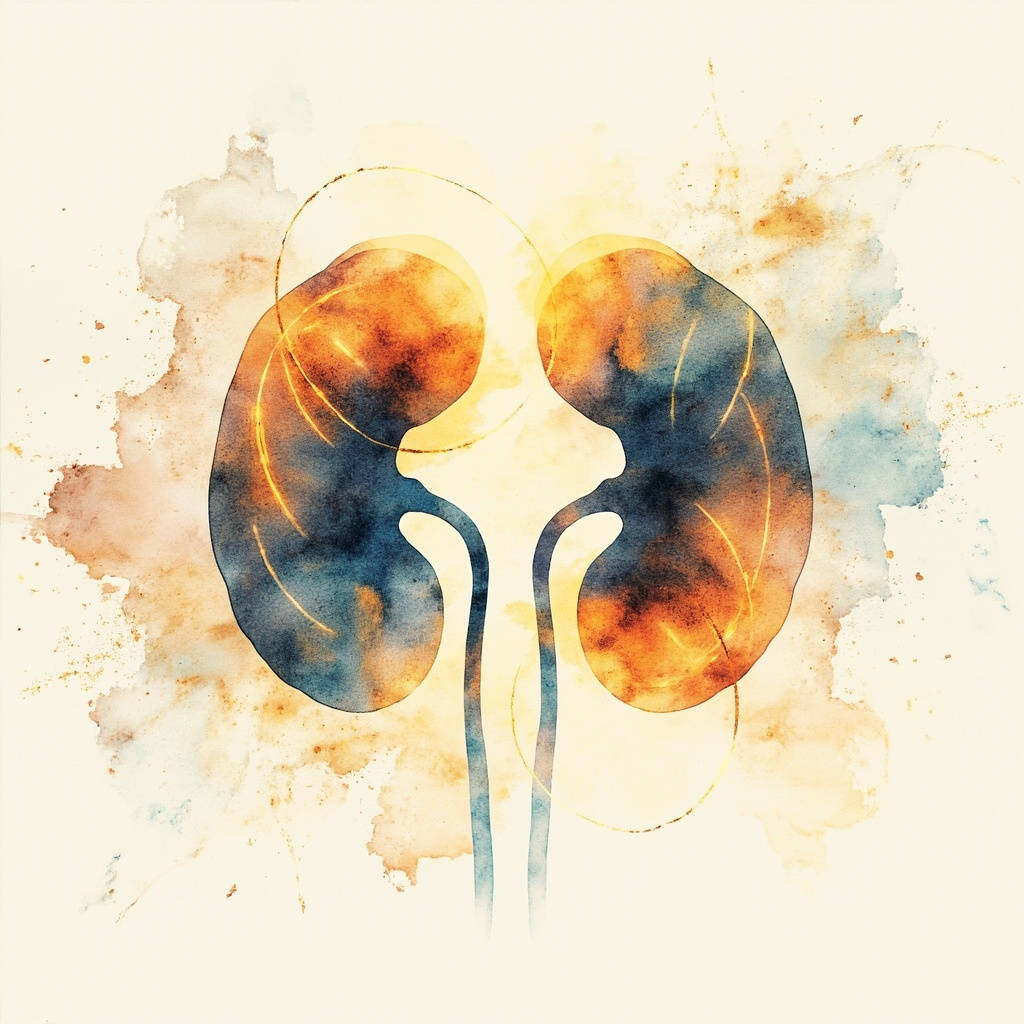
The adrenal cortex sits as the outer layer of the adrenal glands, perched atop each kidney like watchful guardians. These small but mighty structures play a central role in how we respond to life's pressures. By producing vital hormones, they help keep our energy steady, our blood pressure stable, and our immune system ready. For more details, see the cortex glossary.
Everyday Role of the Adrenal Cortex
At its core, the adrenal cortex crafts three main types of hormones:
- Cortisol: Often called the stress hormone, it ramps up during challenges to boost energy, sharpen focus, and manage inflammation. In short bursts, it fuels action; over time, excess can wear us down.
- Aldosterone: This keeps salt and water in balance, supporting healthy blood pressure and fluid levels.
- Androgens: Building blocks for vitality, they contribute to strength, mood, and drive.
When working smoothly, the adrenal cortex fosters homeostasis-that inner equilibrium where body systems hum in harmony. It equips us to face demands without crumbling.
Signs of Disharmony
Imbalance here shows up in familiar ways:
- Persistent fatigue, even after rest.
- Weight shifts, especially around the middle.
- Blood pressure swings-too high or too low.
- Weakened immunity, leading to frequent colds or slow healing.
- Sleep troubles or constant wired-but-tired feelings.
These echo deeper issues like Addison's disease (too few hormones) or Cushing's syndrome (too much cortisol), but everyday stress often nudges us toward milder versions.
Emotional Ties to the Cortex
In Traditional Chinese Medicine (TCM), organs link closely to feelings. The adrenal cortex connects to intense stress, fear, and survival urges. Picture feeling swamped by demands, threatened in safety, or desperate to control chaos. Anxiety about tomorrow, gripping fear, or a battle for security often signal cortex strain.
Unchecked, these emotions disrupt qi-our vital energy flow-creating knots in the body's web.
TCM View: Kidney's Resilient Partner
TCM sees the adrenals nestled with the Kidney system, the root of life force. Kidneys store jing, our essence for endurance and reproduction. They govern fear as the emotion, balancing courage with caution.
The cortex embodies Kidney yang-active warmth for action-and yin-cool nourishment for recovery. Imbalances might show as:
- Kidney yin deficiency: Dryness, heat, night sweats from burnout.
- Kidney yang weakness: Cold limbs, low drive, deep exhaustion.
Through the five elements, it's Water-nurturing depth, flow, winter's rest. Blockages ripple to Wood (liver anger), Fire (heart joy), Earth (spleen worry), Metal (lung grief).
Meridians like Kidney and Bladder carry qi to support boundaries, willpower, bones.
Calling on the Cortex as a Resource
A strong adrenal cortex bolsters the whole:
- Regulates stress to shield heart and lungs.
- Steadies blood pressure for vessel health.
- Balances metabolism, aiding spleen digestion.
It builds resilience, turning threats into growth. In sessions, we invoke it to calm nerves, steady breath, fortify against overwhelm.
Steps Toward Harmony
Restore flow with gentle practices:
Lifestyle Foundations
- Prioritize sleep: Align with natural rhythms to rebuild jing.
- Nourish wisely: Warm soups, dark berries, seaweeds for Kidney support.
- Move mindfully: Walking in nature or qi gong to circulate qi without drain.
TCM Tools
- Acupuncture: Points like Kidney 3 warm yang; Liver 3 smooths stress.
- Herbs: Rehmannia cools yin deficiency; ginseng lifts yang gently.
- Breathwork: Deep belly breaths tonify Kidney qi, easing fear.
Recent studies echo this: Sound frequencies and meditation lower cortisol, mirroring TCM's calming vibrations to soothe the cortex.
By honoring the adrenal cortex, we reclaim calm amid storms. It invites us to trust our depths, flow with change, and thrive in balance.
- 1. pacificcollege.edu
- 2. acaacupuncture.com
- 3. altimed.net
- 4. acupunctureintribeca.com
- 5. drxiangjun.com
- 6. sandspringsacupuncture.com
- 7. caringsunshine.com
- 8. play.google.com
- 9. youtube.com
- 10. healingpoints-acu.com
- 11. facebook.com
- 12. researchgate.net
- 13. facebook.com
- 14. pmc.ncbi.nlm.nih.gov
- 15. facebook.com
- 16. eclipsewellness.net
- 17. revolutionhealth.org
- 18. researchgate.net
- 19. pmc.ncbi.nlm.nih.gov
- 20. scirp.org
- 21. pubmed.ncbi.nlm.nih.gov
- 22. aim4healthnw.com
- 23. health.harvard.edu
- 24. pmc.ncbi.nlm.nih.gov
- 25. cureus.com
- 26. eacuwell.com
- 27. youtube.com
- 28. pubmed.ncbi.nlm.nih.gov
- 29. oasishealingforyou.com
- 30. nurtureacupuncture.com
関連投稿
用語集
- エネルギーと心の構造 > 集中コヒーレンス; フォーカス
- エネルギーと心の構造 > 金属
- エネルギーと心の構造 > 地球
- エネルギーと心の構造 > 火
- エネルギーと心の構造 > 木
- エネルギーと心の構造 > 水
- エネルギーと心の構造 > セキュリティ
- エネルギーと心の構造 > ドライブ
- エネルギーと心の構造 > 疲労
- エネルギーと心の構造 > 意志力
- エネルギーと心の構造 > 勇気
- エネルギーと心の構造 > 免疫力
- 身体ゾーン > 腺
- 身体ゾーン > 皮質
- 身体ゾーン > ホルモン
- 身体ゾーン > 骨
- 身体ゾーン > 腎臓
- 身体ゾーン > 肺
- 身体ゾーン > 神経
- 身体ゾーン > 顔
- エネルギーと心の構造 > 臓器
- 中医学レシピ > エネルギーを高める:低エネルギーと疲労のためのシンプルな治療法
- 中医学レシピ > 肝臓の健康:バランスと落ち着きをもたらすTCMレシピ
- 中医学レシピ > 腎臓の健康:エネルギーを高め、背中の痛みを和らげる
- 中医学レシピ > 脾臓の健康:消化、食欲、エネルギーを高める
- 中医学レシピ > 心臓の健康:不安と動悸のための療法
- 中医学レシピ > 副 adrenal サポート: 疲労とストレスのための治療法
- エネルギーと心の構造 > 睡眠
- エネルギーと心の構造 > 活力
- エネルギーと心の構造 > 血圧
- エネルギーと心の構造 > 平衡
- エネルギーと心の構造 > 消化
- エネルギーと心の構造 > 四肢、皮膚
- エネルギーと心の構造 > シータ 4.31-6.97 Hz。軽い睡眠、瞑想。
- エネルギーと心の構造 > ストレス
- 刺激 > IGF1、成長
- 刺激 > コルチゾール
- バイノーラルビート > 炎症緩和:バイノーラルビートでより早く回復する
- バイノーラルビート > 免疫システムのサポート:音の周波数で健康を高める
- 刺激 > 膀胱
- 刺激 > 調和
- 刺激 > 血液
- 刺激 > GAPDH、代謝