


Heart-Lung Connection: The Role of Pulmonary Valves
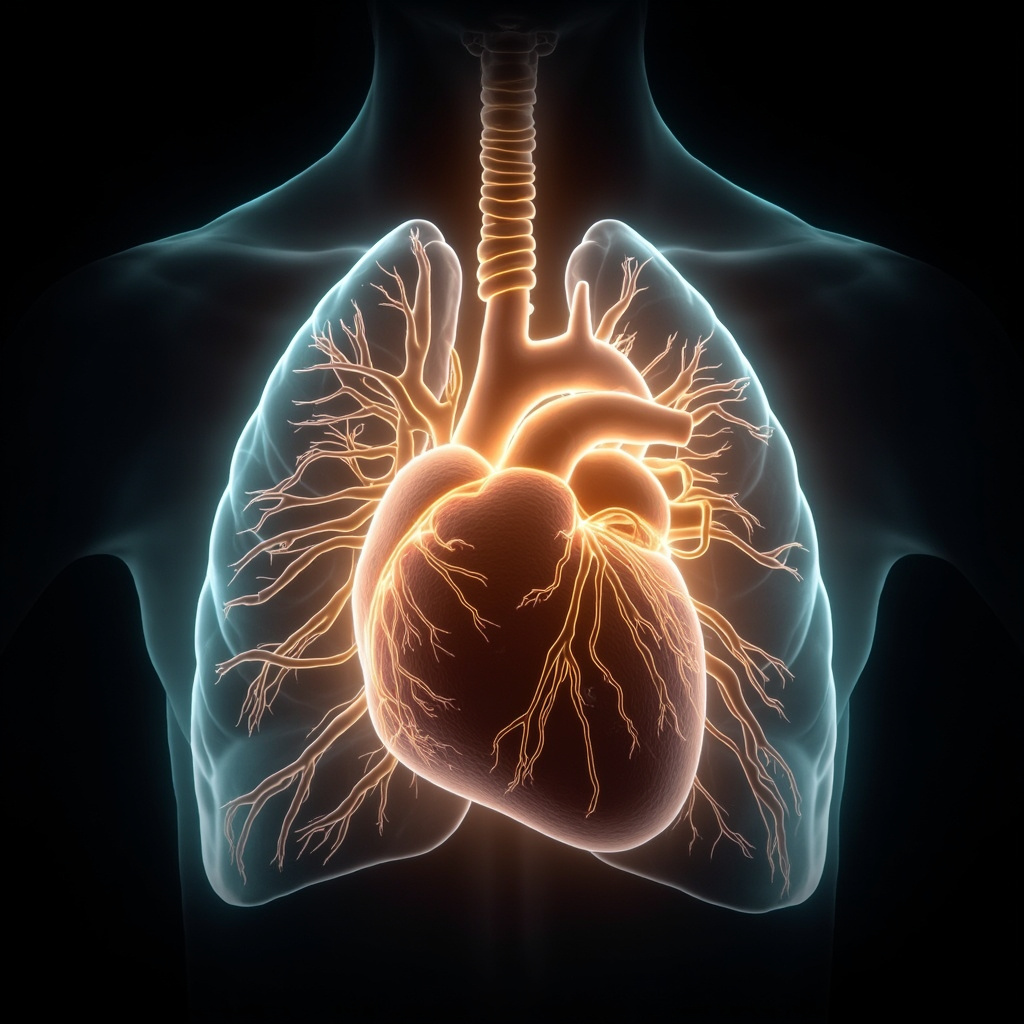
As a fitness coach, I often see athletes focus entirely on their muscles or their heart rate. While these are critical, there is a silent, vital structure that acts as a bridge between your heart and your lungs: the pulmonary valves. In my work with biomarkers, I have learned that these valves are not just mechanical components; they are essential gateways for your energy and resilience.
Understanding the Pulmonary Valve
Located between the right ventricle of your heart and the pulmonary artery, the pulmonary valve serves a simple but life-changing purpose: it ensures that blood flows in only one direction toward your lungs for oxygenation. When this valve functions perfectly, it prevents blood from leaking backward, ensuring that your muscles receive the oxygen they need during intense training or daily movement.
When we look at electrical activity data, we can see how well this system is working. If the energy of the valves appears agitated or inconsistent, it often correlates with sensations of fatigue or shortness of breath that do not seem to have an obvious cause. By monitoring these biomarkers, we can identify when this area needs support, allowing us to adjust training intensity and prioritize recovery before a minor imbalance turns into a performance plateau.
The Emotional Connection
One of the most fascinating aspects of my research is the link between physical structures and emotional states. In many traditions and corroborated by modern observations, the pulmonary valves are frequently associated with deep-seated emotions, particularly those related to grief, sadness, or a lingering fear of the unknown.
When we carry unresolved emotional weight, it often manifests as physical tension. In the context of the lung valves, this can create a sense of restriction that mirrors how we hold our breath when we are stressed or sad. By using targeted frequencies and mindful attention, we can address these areas, helping the body release the physical manifestation of these emotions. This process is not just about healing; it is about clearing the path for better oxygen flow and renewed vitality.
Using Valves as a Resource
When the pulmonary valves are in a state of balance, they become a powerful resource for the entire body. Think of them as the gatekeepers of your stamina. When they function smoothly, they facilitate efficient oxygen exchange, which directly supports your metabolism and recovery speed.
In my practice, I encourage clients to view their body as a unified system. When you feel low on energy, it is rarely just about needing more sleep. It is often about the efficiency of your internal structures. By focusing on the valves, we are not just fixing a technical issue; we are tuning the instrument of the body to perform at its best. Whether through guided breathwork that directs attention to this area or by using frequency-based support to harmonize the heart-lung connection, the goal is always the same: to create a state of coherence where your physical performance and emotional state are aligned.
Practical Steps for Your Journey
If you are feeling a persistent lack of drive or unexplained fatigue, consider looking beyond the surface. Your biomarkers can tell a story that your conscious mind might be missing. By acknowledging the role of your pulmonary valves, you take a proactive step in your self-development.
Remember, true fitness is built on the foundation of internal balance. By supporting these vital structures, you are investing in a more resilient, energetic, and emotionally clear version of yourself. Start by listening to your body's signals, and use the tools available to you to maintain that delicate, essential harmony.
Related posts
Glossary
- Energy and mind Structures > oxygen
- Energy and mind Structures > Focused Coherence; Focus
- Energy and mind Structures > Structure
- Energy and mind Structures > Purpose
- Energy and mind Structures > Sadness
- Energy and mind Structures > Drive
- Energy and mind Structures > Grief
- Energy and mind Structures > Performance
- Body zones > lungs
- Body zones > valves
- Body zones > muscles
- TCM Recipes > Heart Health: Remedies for Anxiety and Palpitations
- TCM Recipes > Lung Support: A TCM Recipe for Respiratory Health
- TCM Recipes > Boost Your Energy: A TCM Recipe for Fatigue Relief
- Energy and mind Structures > sleep
- Energy and mind Structures > vitality
- Energy and mind Structures > movement
- Binaural beats > Foundation of Security: Enhance Serenity and Well-Being
- Binaural beats > Blood Vessels & Arteries: Boost Circulation & Well-Being
- Stimuli > Harmony
- Stimuli > Blood
- Stimuli > GAPDH, Metabolism
see also...
- Energy and mind Structures > movement
- Energy and mind Structures > Body zones > cerebrospinal fluid
- Energy and mind Structures > TCM Recipes > Tension Headache Relief: A Natural Approach to Ease Stress
- Testimonials > 61% Drop in Nausea and 58% in Headaches from Sound Therapy
- Binaural beats > Blood Vessels & Arteries: Boost Circulation & Well-Being
- Binaural beats > Stimuli > Chakra Throat