


Corona Virus Support Biomarker: Herbal Paths
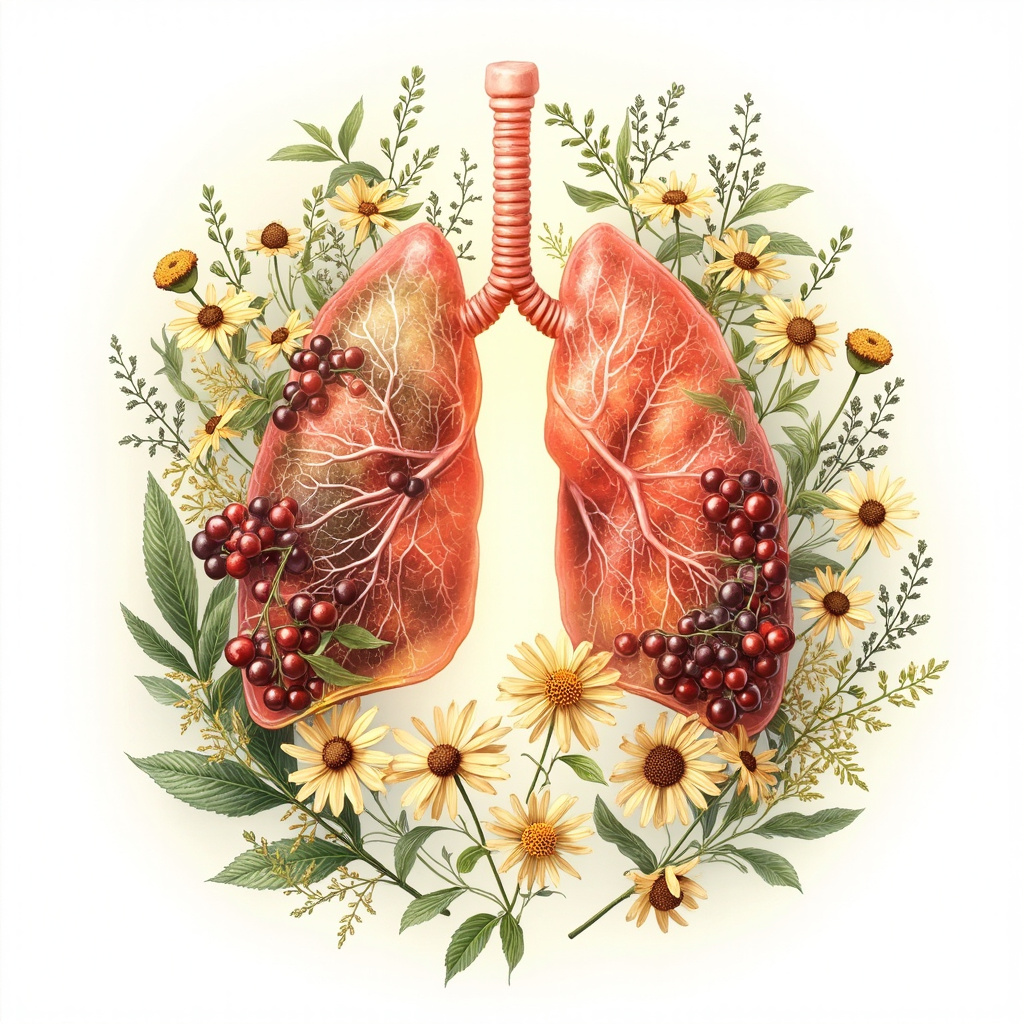
Understanding the Corona Virus Support Biomarker
This biomarker captures signals from your body's electrical activity in key areas like the lungs, throat, and immune defenses. It reveals how well your system handles threats from corona-like viruses, which often target breathing and vitality. When balanced, it shows strong resilience; imbalances may signal vulnerability to cough, fever, or lingering tiredness.
Common signs include:
- Persistent dry or wet cough
- Shortness of breath or chest tightness
- Low energy after illness
- Throat irritation
Tracking this helps guide gentle, plant-based support to restore harmony.
Why Herbs Excel for Respiratory Support
Plants have long served as allies for lung health, offering antiviral, soothing, and immune-boosting effects. Recent research on traditional remedies confirms their role in speeding recovery from viral infections. For instance, meta-analyses of clinical trials show faster resolution of fever and cough when herbs are used alongside care.
Elderberry (Sambucus nigra) stands out for upper respiratory relief. Studies indicate it shortens symptom duration, easing nasal congestion, sore throat, and cough. Its berries are rich in antioxidants that modulate immunity without overstimulating.
Echinacea enhances defenses against recurrent infections. High-dose extracts reduce fever length, symptom severity, and even antibiotic needs in respiratory cases. It works by supporting white blood cells and curbing viral spread.
Licorice root (Glycyrrhiza glabra) soothes irritated airways and shows antiviral promise in lab tests against respiratory viruses. It calms coughs, clears mucus, and protects lung cells, making it ideal for throat and chest discomfort.
Other supportive herbs:
- Thyme: Clears mucus with its warming oils, great for stubborn coughs.
- Ginger: Warms the body, fights fever, and aids digestion often upset by illness.
- Peppermint: Opens airways and eases breathing.
Tailoring Herbal Paths to Your Needs
As a herbalist, I match plants to your unique signals. If lung energy lags, prioritize elderberry syrup or licorice tea. For immune dips, echinacea tincture daily. Throat focus? Licorice lozenges or thyme steam.
Simple Daily Protocol:
- Morning: Echinacea tea (1 tsp dried root in hot water, steep 10 min).
- Midday: Elderberry syrup (1 tbsp, plain or in water).
- Evening: Licorice-ginger infusion for cough relief.
Start low to check tolerance – licorice suits most but limit if blood pressure concerns. Combine in blends for synergy, like a respiratory tea with thyme, licorice, and peppermint.
Insights from Tradition and Science
Traditional Chinese approaches, using points for lung strength and vitality, inspire herbal parallels. Formulas like those studied in COVID trials reduced breathlessness and cough time significantly. Herbs mimic this by toning lungs, boosting qi-like energy, and clearing heat (fever).
One meta-analysis of trials found herbal additions cut fever recovery by over a day and cough by days, with fewer ICU needs. These align with my biomarker-guided paths.
Practical Tips for Lasting Balance
- Steam inhale with thyme or eucalyptus for quick lung relief.
- Stay hydrated; herbs work best with water.
- Pair with rest and fresh air.
By nurturing this biomarker with herbs, you build resilience against seasonal threats. Plants offer precise, living medicine – gentle yet powerful.
(Word count: 612)
- 1. frontiersin.org
- 2. goodrx.com
- 3. clinicaltrials.gov
- 4. pmc.ncbi.nlm.nih.gov
- 5. kb.wisc.edu
- 6. journals.lww.com
- 7. sciencedirect.com
- 8. tandfonline.com
- 9. wildrosecollege.com
- 10. caringsunshine.com
- 11. pmc.ncbi.nlm.nih.gov
- 12. pmc.ncbi.nlm.nih.gov
- 13. pmc.ncbi.nlm.nih.gov
- 14. pmc.ncbi.nlm.nih.gov
- 15. clinicaltrials.gov
- 16. mdpi.com
- 17. pmc.ncbi.nlm.nih.gov
- 18. vacunacovid.ufro.cl
- 19. ctv.veeva.com
- 20. healthline.com
- 21. pmc.ncbi.nlm.nih.gov
- 22. pmc.ncbi.nlm.nih.gov
- 23. pmc.ncbi.nlm.nih.gov
- 24. uclahealth.org
- 25. pmc.ncbi.nlm.nih.gov
- 26. ijirms.in
- 27. researchgate.net
- 28. examine.com
- 29. news-medical.net
- 30. avivaromm.com
- 31. atune.com.au
- 32. westislandacupuncture.ca
- 33. recovercovid.org
- 34. pmc.ncbi.nlm.nih.gov
- 35. news.arizona.edu
- 36. cabidigitallibrary.org
- 37. vita4you.gr
- 38. pmc.ncbi.nlm.nih.gov
- 39. navigator.reaganudall.org
- 40. pmc.ncbi.nlm.nih.gov
- 41. pmc.ncbi.nlm.nih.gov
- 42. pmc.ncbi.nlm.nih.gov
- 43. sciencedirect.com
- 44. myvillagegreen.com
- 45. pmc.ncbi.nlm.nih.gov
- 46. college.acaai.org
- 47. journals.sagepub.com
- 48. researchgate.net
- 49. pmc.ncbi.nlm.nih.gov
- 50. pmc.ncbi.nlm.nih.gov
- 51. pmc.ncbi.nlm.nih.gov
- 52. cdn-links.lww.com
- 53. researchgate.net
- 54. pmc.ncbi.nlm.nih.gov
- 55. respiratory-therapy.com
- 56. herbalgram.org
- 57. fammed.wisc.edu
- 58. mdpi.com
- 59. clinicaltrials.gov
- 60. ijirms.in
Related posts
Glossary
- Energy and mind Structures > Water
- Energy and mind Structures > Tolerance
- Energy and mind Structures > Immunity
- Body zones > lungs
- Body zones > respiratory
- Body zones > throat
- Body zones > chest
- TCM Recipes > Cough Relief: A Simple TCM Recipe for Chest Tightness
- TCM Recipes > Lung Support: A TCM Recipe for Respiratory Health
- TCM Recipes > Corona Virus Support: Remedies for Cough and Fever
- Energy and mind Structures > vitality
- Energy and mind Structures > blood pressure
- Energy and mind Structures > Digestion
- Stimuli > Peppermint
- Stimuli > Eucalyptus
- Stimuli > Thyme
- Stimuli > Sore Throat
- Stimuli > Moon - Nasal Passage, Breathing, Taste
- Stimuli > AIDS
- Stimuli > Fever
- Binaural beats > Congestion: A Binaural Beat Program for Physical Relief
- Stimuli > Harmony
- Stimuli > Blood
see also...
- Energy and mind Structures > Digestion
- Energy and mind Structures > Body zones > substantia nigra
- Energy and mind Structures > TCM Recipes > Corona Virus Support: Remedies for Cough and Fever
- Testimonials > 61% Drop in Nausea and 58% in Headaches from Sound Therapy
- Binaural beats > Stimuli > Variolinum
- Binaural beats > Christ Consciousness: Enhance Awareness through Sound Frequencies