


Bronchioles: Breath of Space and Calm
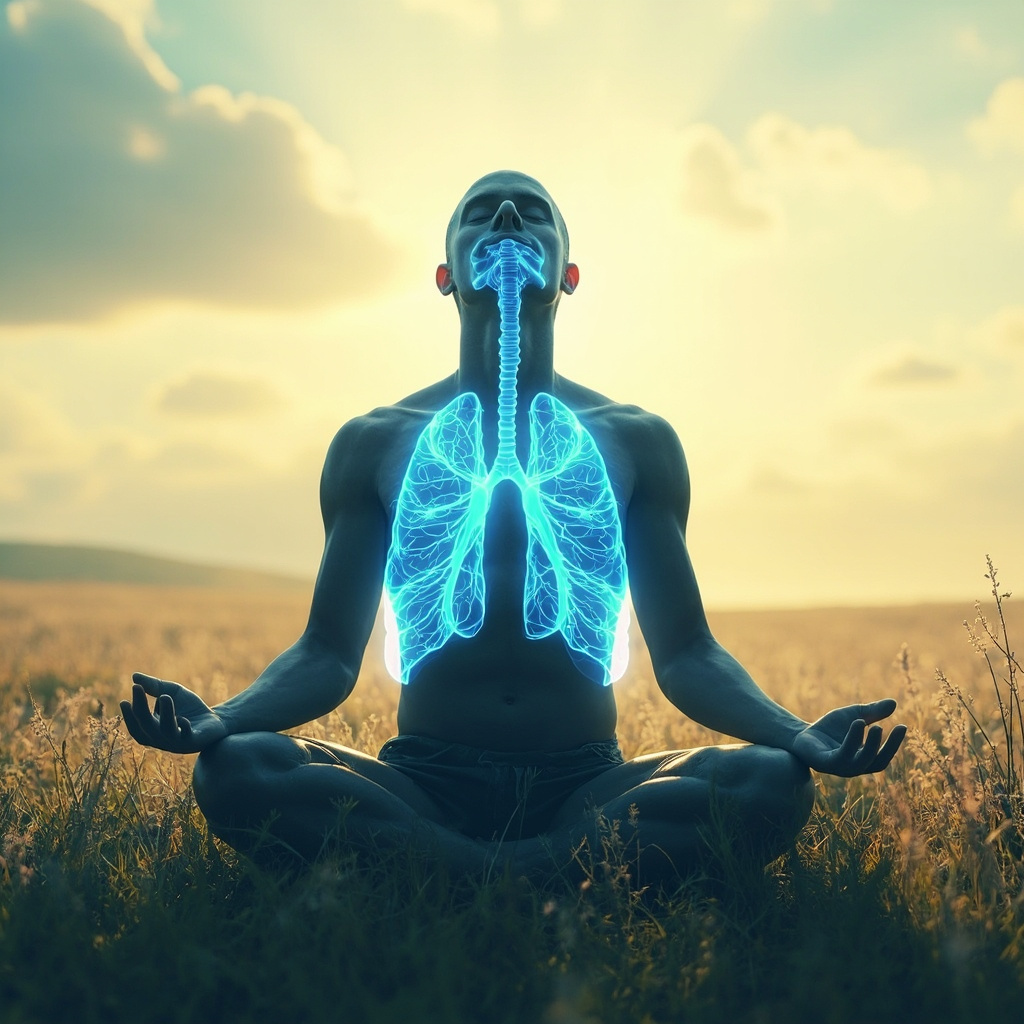
Understanding Bronchioles
Bronchioles are the small tubes in your lungs that carry air from larger airways to the tiny air sacs where oxygen enters your blood. Think of them as delicate pathways ensuring fresh air reaches every part of your body. When they work well, breathing feels effortless. But if they tighten or inflame, it can lead to shortness of breath, wheezing, or conditions like asthma and bronchitis.
These pathways matter because they support your whole body's energy. Good oxygen flow fuels your muscles, brain, and heart, helping you feel vital and alert.
Signs of Imbalance
You might notice imbalance if:
- Breathing feels restricted, especially during stress.
- You experience frequent chest tightness or coughs.
- Anxiety about personal space triggers physical tension in your chest.
Common triggers include emotional pressures that make you feel crowded or unsafe in your surroundings.
Emotional Ties to Bronchioles
Our lungs and airways often reflect inner feelings. Bronchioles connect to fear of invasion or losing your sense of personal space. Imagine feeling suffocated by too many demands or threats to your boundaries – this can show up as tight breathing.
For example, ongoing worry about overcrowding at work or home might cause these small airways to react. Over time, this emotional load reduces oxygen supply, adding to fatigue and unease. Addressing the feeling restores flow.
Bronchioles as a Resource
When balanced, bronchioles support other body parts by delivering steady oxygen. They help calm the nervous system, easing stress biomarkers like low heart rate variability (HRV). HRV measures how well your heart adapts to stress – higher is better for resilience.
As a resource, they promote:
- Steady energy for daily tasks.
- Clear thinking without breath-related distractions.
- Emotional steadiness during challenges.
Meditation Practices for Balance
Simple mindfulness and breathwork target bronchioles directly. These practices relax the airways, boost HRV, and release emotional blocks.
Daily Breath Awareness
- Sit comfortably with eyes closed.
- Place one hand on your chest, one on your belly.
- Inhale slowly through your nose for 4 counts, feeling air expand your lower lungs.
- Exhale for 6 counts, imagining tension leaving your airways.
- Repeat 5-10 minutes daily.
This eases agitation in bronchioles and builds parasympathetic activation for calm.
Space Visualization
- Picture your bronchioles as open, glowing pathways.
- With each breath, affirm: "I claim my space with ease."
- Visualize boundaries as soft light around you.
Practice during quiet moments to link breath with safety feelings.
Guided Focus on Lungs
Tune into your breath's journey: from nose to bronchioles to air sacs. Soften any tightness with gentle exhales. Over weeks, this improves breathing efficiency and emotional regulation.
Benefits Backed by Research
Studies show mindfulness reduces asthma symptoms and anxiety while enhancing lung function. One study found mindful meditation improved lung capacity and lowered worry in those with breathing challenges. Breath-focused practices also raise HRV, signaling better stress handling.
Regular sessions lead to:
- Easier breathing in daily life.
- Fewer anxiety episodes tied to space fears.
- Overall nervous system harmony.
Building Lasting Calm
Start small: 5 minutes morning and evening. Track how your breath feels freer and mind clearer. As a meditation coach, I see clients gain confidence in their space through these steps.
Invite bronchioles into your inner journey. They guide you toward open, fearless breathing and true balance.
- 1. researchgate.net
- 2. amazon.com
- 3. learninggnm.com
- 4. impactfactor.org
- 5. cureus.com
- 6. pilgrimageyoga.com
- 7. facebook.com
- 8. medrxiv.org
- 9. aapb.org
- 10. jpsmjournal.com
- 11. yahoo.com
- 12. internationalmedicaljournal.org
- 13. blog.ultrahuman.com
- 14. instagram.com
- 15. instagram.com
- 16. youtube.com
- 17. pmc.ncbi.nlm.nih.gov
- 18. healthcare-bulletin.co.uk
- 19. clinicaltrials.gov
- 20. learninggnm.com
- 21. pmc.ncbi.nlm.nih.gov
- 22. breatheclinicguwahati.com
- 23. medium.com
- 24. pmc.ncbi.nlm.nih.gov
- 25. public-pages-files-2025.frontiersin.org
- 26. congregation.chapel.duke.edu
- 27. heartmath.com
- 28. researchgate.net
- 29. superlife.com
- 30. insighttimer.com
- 31. learninggnm.com
- 32. thoracic.org
- 33. canr.msu.edu
- 34. instagram.com
- 35. pmc.ncbi.nlm.nih.gov
- 36. researchgate.net
- 37. journals.lww.com
- 38. insighttimer.com
- 39. learninggnm.com
- 40. janakingston.com
- 41. scribd.com
- 42. tachymnal.name.ng
- 43. pmc.ncbi.nlm.nih.gov
- 44. link.springer.com
- 45. dokumen.pub
- 46. publications.ersnet.org
- 47. nationalgeographic.com
- 48. sciencedirect.com
Related posts
Glossary
- Energy and mind Structures > oxygen
- Energy and mind Structures > Focused Coherence; Focus
- Energy and mind Structures > Regulation
- Energy and mind Structures > Confidence
- Energy and mind Structures > Relax
- Body zones > lungs
- Body zones > bronchioles
- Body zones > muscles
- Body zones > nose
- Body zones > chest
- Body zones > eyes
- TCM Recipes > Breathe Easy: Relief for Asthma Symptoms
- TCM Recipes > Heart Health: Remedies for Anxiety and Palpitations
- TCM Recipes > Lung Support: A TCM Recipe for Respiratory Health
- TCM Recipes > Brain Boost: Clear Fog, Improve Focus & Memory
- TCM Recipes > Boost Your Energy: A TCM Recipe for Fatigue Relief
- Energy and mind Structures > Theta; 4.31-6.97 Hz. Light sleep, meditation.
- Energy and mind Structures > Stress
- Stimuli > Moon - Nasal Passage, Breathing, Taste
- Binaural beats > Nervous System: A Program for Emotional Balance and Relaxation
- Stimuli > Lead
- Stimuli > Harmony
- Stimuli > Blood
see also...
- Energy and mind Structures > HRV
- Energy and mind Structures > Body zones > eyes
- Energy and mind Structures > TCM Recipes > Tension Headache Relief: A Natural Approach to Ease Stress
- Testimonials > 61% Drop in Nausea and 58% in Headaches from Sound Therapy
- Binaural beats > Stimuli > Variolinum
- Binaural beats > Transmutation: A Sound Journey for Personal Change