


Pericardium: TCM Heart Protector and Emotional Shield
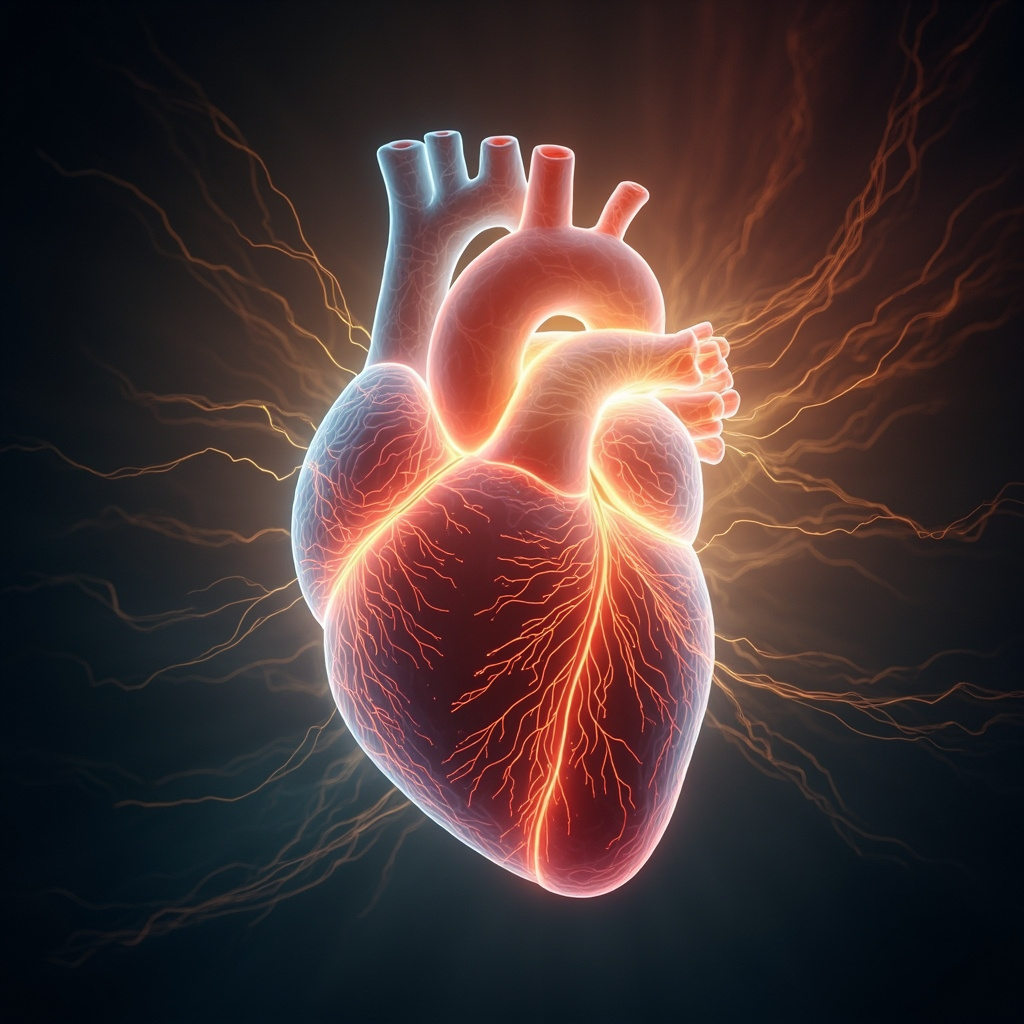
What is the Pericardium?
The pericardium is a thin, double-layered sac that wraps around the heart like a protective pouch. It sits in the chest cavity and keeps the heart safe during every beat. This structure reduces friction as the heart moves and stops it from stretching too much. When healthy, it ensures smooth heart function without pain or pressure.
You can learn more in our glossary.
The Pericardium in Traditional Chinese Medicine
In Traditional Chinese Medicine (TCM), the pericardium acts as the heart's faithful guardian. It belongs to the fire element, tied to joy, warmth, and connection. Known as the heart protector, it shields the innermost self from outer threats. This includes not just physical dangers but also emotional ones.
The pericardium connects to the heart meridian, a pathway for qi – the vital energy that flows through the body. Smooth qi in this meridian supports clear thinking, open emotions, and steady circulation. Blockages here can disrupt the balance of yin and yang, leading to tension or depletion.
Emotional Ties to the Pericardium
Emotions run deep with the pericardium. It stands for emotional security and boundaries. When life brings shock, betrayal, or deep hurt, this protector can feel strained. People might notice a tight chest, unease around others, or trouble trusting.
In TCM, the heart houses the spirit, and the pericardium wraps it safely. Strong pericardium energy fosters resilience – the ability to face stress without breaking. It helps process grief, fear, or anger, turning them into growth. Weakness here might show as vulnerability or isolation.
Signs of Pericardium Imbalance
Physical clues include chest discomfort, shortness of breath, or fatigue after emotional upset. Swelling or inflammation, like in pericarditis, points to excess heat or dampness in TCM terms. Fluid buildup signals poor qi flow, while stiffness suggests stagnation.
Emotionally, watch for:
- Feelings of exposure or lack of support
- Sudden anxiety from past shocks
- Trouble with intimacy or boundaries
- Restlessness tied to heart sensations
These often link to broader patterns, like liver qi stagnation (anger buildup) or spleen weakness (worry overload).
Assessing and Supporting Pericardium Health
TCM practitioners look at signs, pulse, and tongue to gauge pericardium strength. Modern tools, like biomarkers from body electrical readings, reveal energy levels, agitation, and connections to other organs.
To nurture it:
- Acupressure: Press points like Pericardium 6 (inner wrist) for calm and nausea relief.
- Breathwork: Deep belly breaths to ease chest tension and move qi.
- Herbs: Formulas with cooling herbs like lotus seed for heat, or warming tonics for deficiency.
- Lifestyle: Gentle movement like tai chi builds protective qi. Avoid extremes in food or emotions.
Link it to the five elements: Fire needs water (kidney) to cool, wood (liver) to fuel steadily.
Pericardium as a Resource for Harmony
A balanced pericardium aids the whole body. It lends protective energy to stressed organs, like the lungs during grief or spleen in worry. This boosts overall cardiovascular health and emotional steadiness.
Call on it for resilience: Visualize a warm shield around your heart during meditation. It enhances qi flow, supports joy, and guards against daily pressures.
By honoring the pericardium, you align body, emotions, and energy. This TCM wisdom, paired with biomarker insights, offers a path to deeper well-being. Explore your own harmony today.
Related posts
Glossary
- Energy and mind Structures > Structure
- Energy and mind Structures > Fire
- Energy and mind Structures > Wood
- Energy and mind Structures > Water
- Energy and mind Structures > Security
- Energy and mind Structures > Grief
- Energy and mind Structures > Stagnation
- Body zones > pericardium
- Body zones > lungs
- Body zones > pericardium
- Body zones > tongue
- Body zones > chest
- Body zones > face
- Energy and mind Structures > Organs
- TCM Recipes > Nausea Relief: Easy remedies for stomach discomfort
- TCM Recipes > Circulation: Boost Energy and Warm Your Extremities
- TCM Recipes > Spleen Health: Boost Digestion, Appetite, and Energy
- TCM Recipes > Heart Health: Remedies for Anxiety and Palpitations
- TCM Recipes > Boost Your Energy: A TCM Recipe for Fatigue Relief
- Energy and mind Structures > movement
- Energy and mind Structures > Theta; 4.31-6.97 Hz. Light sleep, meditation.
- Energy and mind Structures > Stress
- Energy and mind Structures > betrayal
- Stimuli > IGF1, Growth
- Stimuli > AIDS
- Stimuli > Pain
- Stimuli > Shock
- Binaural beats > Inflammation Relief: Heal Faster with Binaural Beats
- Stimuli > Harmony
see also...
- Energy and mind Structures > betrayal
- Energy and mind Structures > Body zones > thoracic
- Energy and mind Structures > TCM Recipes > Tension Headache Relief: A Natural Approach to Ease Stress
- Testimonials > 61% Drop in Nausea and 58% in Headaches from Sound Therapy
- Binaural beats > Stimuli > Sacral, Zinc Etc
- Binaural beats > Desensitizer: Boost Your Energy and Focus Effectively