


Mitral Valve: TCM Love Flow Guardian
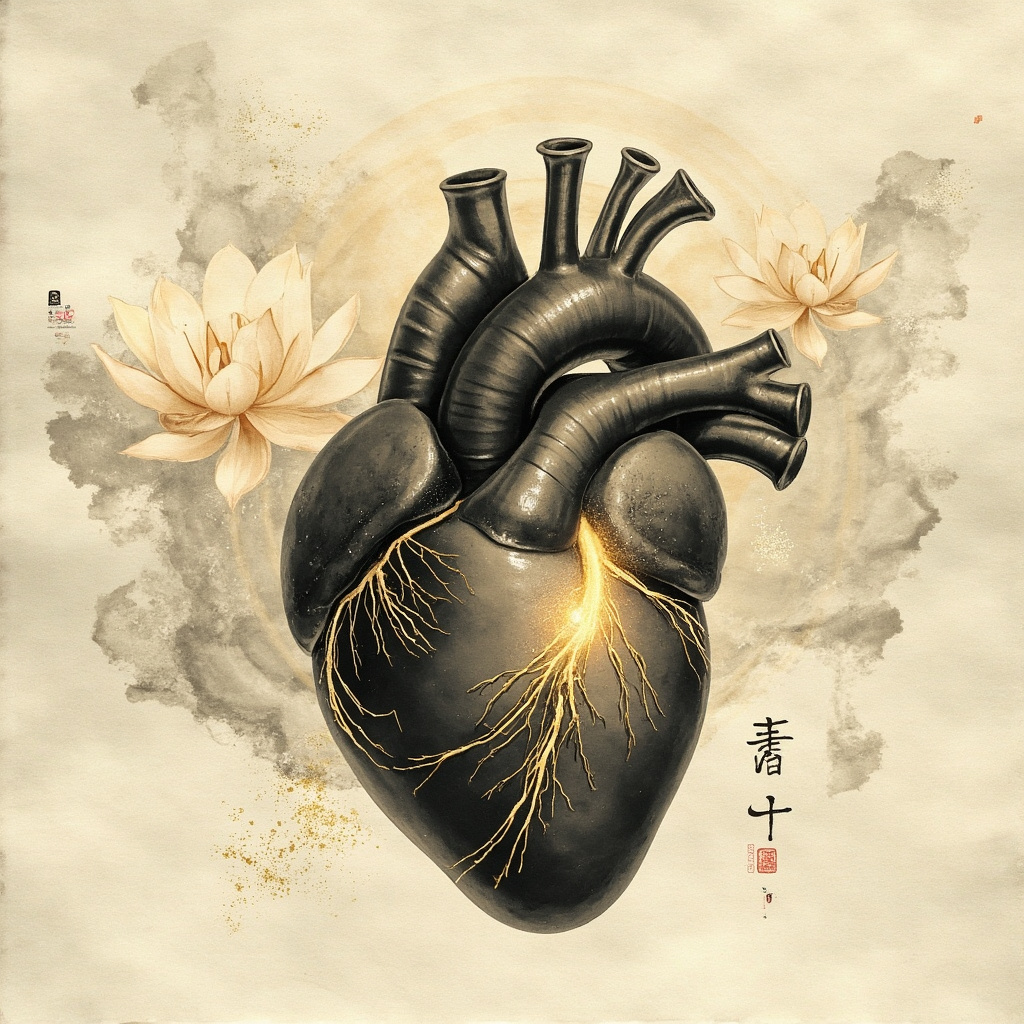
Heart's Gatekeeper: The Mitral Valve
Nestled between the left atrium and left ventricle, the mitral valve acts as a one-way door in the heart. It opens to let oxygen-rich blood flow forward during each heartbeat and closes tightly to stop any backflow. This simple action keeps blood moving efficiently through the body, delivering life-giving oxygen and nutrients to every cell.
When working well, you feel energized and steady. But if it falters-through prolapse, narrowing, or leakage-blood may pool or rush backward. Common signs include shortness of breath, tiredness, or uneven heart rhythms. These physical clues often point to deeper needs for care.
Emotional Heart: Self-Worth and Love
In Traditional Chinese Medicine (TCM), the heart rules joy, circulation, and the spirit. The mitral valve mirrors this by linking to self-worth and love. A struggling valve might signal feelings of rejection, unworthiness, or fear of not being enough. It reflects inner conflicts around accepting love-from others or oneself.
TCM sees emotions as part of health. Unresolved hurt can tighten this valve, just as grief burdens the lungs or anger strains the liver. Healing here means nurturing self-compassion, fostering a gentle flow of love within.
TCM Lens: Qi, Fire Element, and Meridians
The heart belongs to the fire element in TCM's five elements theory-wood, fire, earth, metal, water. It governs qi (vital energy) and blood flow through meridians, the body's energy pathways. The mitral valve ensures this qi moves smoothly, like a calm river nourishing the land.
Yin-yang balance is key: the valve's opening (yang, active) and closing (yin, receptive) maintain harmony. Blockages suggest qi stagnation or blood deficiency, often tied to emotional fire-excess joy turning to mania, or lack leading to isolation.
Biomarkers from electrical activity readings reveal the valve's energy, agitation, and connections. Strong qi here supports the whole system; weak flow hints at imbalances in heart meridian or related organs like spleen (digestion, worry) or kidneys (fear, foundation).
When Imbalanced: Body and Mind Signals
Physical symptoms vary:
- Fatigue and breathlessness during light activity
- Palpitations or fluttering chest sensations
- Swelling in legs from poor circulation
Emotionally:
- Persistent self-doubt or loneliness
- Difficulty receiving care or praise
- Cycles of overgiving without self-nurture
In TCM, these align with heart qi deficiency or phlegm obstructing flow. Stress amplifies it, disrupting autonomic nerves that calm the fight-or-flight response.
As a Resource: Nurturing the Whole Body
A healthy mitral valve aids other areas by steadying blood delivery. It oxygenates muscles for vitality, calms lungs for clear breath, and steadies kidneys for grounding energy. Emotionally, it radiates self-acceptance, easing spleen worries or liver frustrations.
In sessions, its core frequencies resonate to build strength. Guiding words invite it as an ally: "Feel the gentle gate of your heart opening to love's flow, worthy and whole."
Paths to Harmony in TCM
Restore balance with:
- Acupressure: Press heart meridian points like Shenmen (HT7) for calm, or Neiguan (PC6) for chest ease.
- Herbs: Formulas like Gui Pi Tang tonify heart and spleen qi, easing fatigue and doubt. Dan Shen supports blood flow.
- Breathwork: Slow, deep abdominal breathing fans heart fire gently.
- Lifestyle: Warm foods (ginger soups), joyful connections, and rest to build yin.
Monitor progress through energy shifts-less agitation, smoother rhythms. TCM bridges body and heart, turning the mitral valve from a silent guard to a vibrant ally for lasting well-being.
For deeper insights, explore the mitral valve glossary. Harmony awaits in balanced flow.
Related posts
Glossary
- Energy and mind Structures > oxygen
- Energy and mind Structures > Metal
- Energy and mind Structures > Earth
- Energy and mind Structures > Fire
- Energy and mind Structures > Water
- Energy and mind Structures > Love
- Energy and mind Structures > Grief
- Energy and mind Structures > Meridians
- Body zones > mitral valve
- Body zones > kidneys
- Body zones > lungs
- Body zones > muscles
- Body zones > nerves
- Body zones > chest
- Energy and mind Structures > Organs
- TCM Recipes > Circulation: Boost Energy and Warm Your Extremities
- TCM Recipes > Liver Health: A TCM Recipe for Balance and Calm
- TCM Recipes > Spleen Health: Boost Digestion, Appetite, and Energy
- TCM Recipes > Heart Health: Remedies for Anxiety and Palpitations
- TCM Recipes > Boost Your Energy: A TCM Recipe for Fatigue Relief
- Energy and mind Structures > Stress
- Energy and mind Structures > rejection
- Stimuli > Moon - Nasal Passage, Breathing, Taste
- Stimuli > AIDS
- Stimuli > Harmony
- Stimuli > Blood
see also...
- Energy and mind Structures > rejection
- Energy and mind Structures > Body zones > substantia nigra
- Energy and mind Structures > TCM Recipes > Tension Headache Relief: A Natural Approach to Ease Stress
- Testimonials > 61% Drop in Nausea and 58% in Headaches from Sound Therapy
- Binaural beats > Stimuli > Variolinum