


Why do weak alveoli cause breath fear and fatigue?
Have You Ever Felt Suffocated by Unseen Fear?
You take a deep breath, but it feels shallow, like air won't fill your chest. Your heart races with a quiet dread, even in calm moments. Maybe it hits during stress, or randomly at night. Shortness of breath steals your peace, leaving you tired and on edge. If this sounds familiar, you're not alone. Many feel trapped in their own body, searching for why simple breathing feels so hard.
"Why can't I breathe freely?" you wonder. Doctors check lungs and say nothing major shows. Yet the fatigue lingers, anxiety creeps in, and fear of something worse grows. These moments make you feel vulnerable, like life's pressures are closing in.
You've Tried Fixes, But They Don't Last
Inhalers ease symptoms for hours, therapy unpacks emotions, yoga opens your chest a bit. Exercise helps at first, then fatigue returns stronger. Medications calm nerves temporarily, but the root stays hidden. You've spent time and money on appointments, apps, and advice. Relief fades, frustration builds. Why do standard approaches fall short? They target surface issues, not the deep harmony your body craves.
You've pushed through, blaming stress or age. But deep down, you sense something in your lungs whispers imbalance. Past efforts validate your struggle - they worked partially because the issue runs deeper, tied to tiny structures and emotions working together.
The Unsuspected Culprit: Your Lung Alveoli
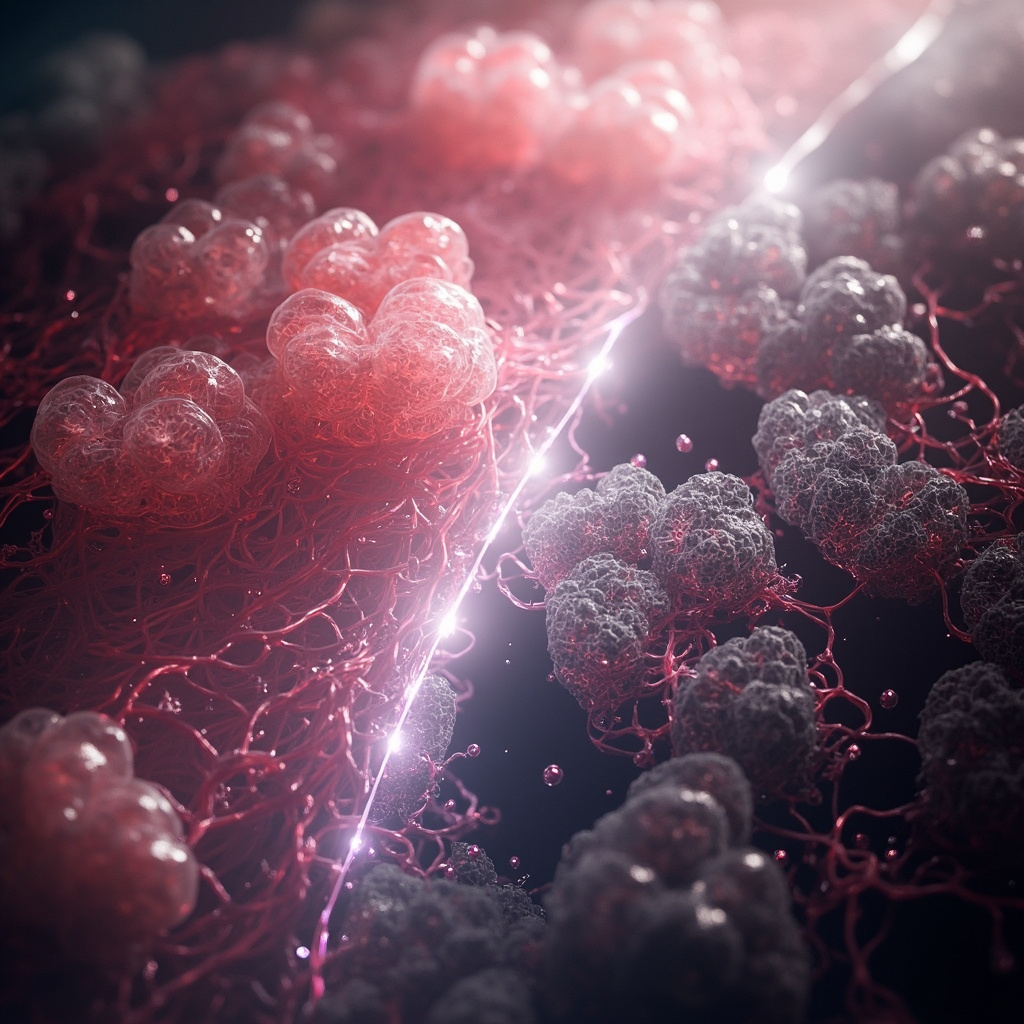
Alveoli are the lung's tiny air sacs, like microscopic balloons at the end of breathing tubes. They swap oxygen for carbon dioxide, fueling every cell. Healthy ones expand and contract smoothly, keeping you energized and clear-headed.
When weak, they stiffen or collapse. Oxygen dips low (hypoxia), carbon dioxide builds (hypercapnia). You feel breathless, even resting. Muscles tire fast, brain fogs from poor fuel. What sparks curiosity? This isn't just physical - emotions play a key role.
In Traditional Chinese Medicine (TCM), lungs govern qi flow, the vital energy. Weak alveoli signal stagnant lung qi, linked to feeling trapped or fearing suffocation. Biological views note intense fear - like panic or loss - can tighten breathing patterns, stressing these sacs over time.
How Weak Alveoli Steal Your Vitality
Picture alveoli failing: less oxygen reaches blood, cells starve. Fatigue sets in, constant and draining. Brain lacks fuel, sparking anxiety and fear loops. Body tenses, worsening shallow breaths.
TCM sees lungs tied to grief and boundary emotions, but fear of death or confinement hits hard here. Unprocessed scares - job loss, relationships, global worries - stagnate qi. Meridians block, five elements (metal for lungs) imbalance.
Studies back this. One case linked profound grief to pulmonary fibrosis, scarring alveoli-like tissue.
Why past tries failed? Inhalers boost airflow but ignore qi-emotion ties. Therapy heals mind, skips biomarkers showing alveolar strain. No blame - you lacked the full picture.
If Ignored, It Snowballs
Unchecked weak alveoli lead to emphysema, fibrosis, chronic fatigue. Hypoxia stresses heart, kidneys follow. Fear amplifies, creating vicious cycles. Recent finds show lungs have self-repair switches, but stress blocks them.
Natural Paths to Lung Revival
Enter vibrational healing: sound frequencies tuned to lung rhythms. Studies show vibrations (24-35 Hz) aid COPD gas exchange.
Compared to transplants ($1M+), or endless drugs, these gentle methods shine. Sessions cost hundreds; home tools fraction. Science positions them as root-fixers.
Restore Alveoli Harmony with BioCoherence
BioCoherence scans your body's electrical activity via simple ECG sensor, computing 1500+ biomarkers. Spot weak alveoli early - see energy, agitation, emotion links. No guesswork; data guides balance.
Alveoli Glossary details this lung structure.
Harmonic Boost: Frequency Resonance
Target alveoli with personalized audio frequencies. Structures resonate, stimuli guide toward goals like better oxygen flow. Post-exploration or from Basic Programs library. Frequencies match natural resonances, easing qi stagnation.
Personal Guide: Daily Inner Journeys
21-day program evolves daily. Alveoli as resource? Invokes oxygen support for energy, fear release. Priority? Guides attention with words calming suffocation feels. TCM-aligned texts bridge body-mind.
Harmonizer: Microcurrent Precision
Wearable applies real-time microcurrents from app. Choose 10,000+ programs or build from biomarkers/Basic. Revives lung tissues gently.
Explore Tutorials for step-by-step: sensor use, program building, sessions.
Users transform:
"Deep emotional release from frequencies. I started crying unexpectedly, healing without forcing it." - Leon, UK
"Positive shift in recurring pain, feeling younger daily." - Laura K., USA (energy boost ties to better oxygen)
"Emotions matched scans perfectly, meditations unlocked 20-year repression." - AB, Croatia
"More energy, less brain fog." - Mike N., USA
TCM practitioners love biomarker-qi correlations. Meridian targets, five elements balance via data. Your path to free breath, calm mind starts here.
- 1. medicalnewstoday.com
- 2. youtube.com
- 3. psyche.co
- 4. health.clevelandclinic.org
- 5. scirp.org
- 6. lungevity.org
- 7. movability.ca
- 8. verywellmind.com
- 9. medizinonline.com
- 10. pmc.ncbi.nlm.nih.gov
- 11. instagram.com
- 12. anoasisofhealing.com
- 13. greatergood.berkeley.edu
- 14. scitechdaily.com
- 15. drhongyanli.com
- 16. pmc.ncbi.nlm.nih.gov
- 17. pmc.ncbi.nlm.nih.gov
- 18. mydaolabs.com
- 19. pantheonresearch.com
- 20. pmc.ncbi.nlm.nih.gov
- 21. facebook.com
- 22. youtube.com
- 23. instagram.com
- 24. progencell.com
- 25. pmc.ncbi.nlm.nih.gov
- 26. cymascope.com
- 27. journals.sagepub.com
- 28. pantheonresearch.com
- 29. 369wellnesscenter.com
- 30. lung.org
- 31. lungoscillometry.com
- 32. bengreenfieldlife.com
- 33. researchgate.net
- 34. mdpi.com
- 35. meandqi.com
- 36. physio-pedia.com
- 37. texascenterforlifestylemedicine.org
- 38. pmc.ncbi.nlm.nih.gov
- 39. instagram.com
- 40. health.clevelandclinic.org
- 41. researchgate.net
- 42. ahuapsychology.com
- 43. pmc.ncbi.nlm.nih.gov
- 44. trial.medpath.com
- 45. link.springer.com
- 46. sciencedirect.com
- 47. sciencedaily.com
- 48. biocoherence.net
- 49. newsnetwork.mayoclinic.org
- 50. zenshiatsuandwellbeing.co.uk
- 51. rebeccaabraxas.com
- 52. thinkmovement.net
- 53. awcim.arizona.edu
- 54. wholefamilyacupuncture.com
- 55. biocoherence.net
- 56. acupunctureconnections.com
- 57. therapyproducts.net
- 58. mind-bodyacupuncture.com
- 59. kokinhealingcenter.com
- 60. psychologytoday.com
- 61. researchgate.net
- 62. ekahlife.com
- 63. youtube.com
- 64. innerjourneys.life
- 65. grc.org
- 66. respacare.net
- 67. pmc.ncbi.nlm.nih.gov
Related posts
Glossary
- Energy and mind Structures > oxygen
- Energy and mind Structures > carbon
- Energy and mind Structures > Structure
- Energy and mind Structures > Love
- Energy and mind Structures > Peace
- Energy and mind Structures > Grief
- Energy and mind Structures > Stagnation
- Energy and mind Structures > Meridians
- Body zones > kidneys
- Body zones > lungs
- Body zones > alveoles
- Body zones > muscles
- Body zones > nerves
- Body zones > tissues
- Body zones > chest
- TCM Recipes > Chronic Fatigue Relief: Natural Remedies for Energy
- TCM Recipes > Heart Health: Remedies for Anxiety and Palpitations
- TCM Recipes > Lung Support: A TCM Recipe for Respiratory Health
- TCM Recipes > Brain Boost: Clear Fog, Improve Focus & Memory
- TCM Recipes > Boost Your Energy: A TCM Recipe for Fatigue Relief
- Energy and mind Structures > Theta; 4.31-6.97 Hz. Light sleep, meditation.
- Energy and mind Structures > Stress
- Stimuli > Moon - Nasal Passage, Breathing, Taste
- Stimuli > Fibrosis
- Stimuli > Pain
- Binaural beats > Inflammation Relief: Heal Faster with Binaural Beats
- Binaural beats > Scarring: Healing Body and Emotions Linked to Scars
- Stimuli > Lead
- Stimuli > Harmony
- Stimuli > Blood
see also...
- Energy and mind Structures > HRV
- Energy and mind Structures > Body zones > substantia nigra
- Energy and mind Structures > TCM Recipes > Tension Headache Relief: A Natural Approach to Ease Stress
- Testimonials > 61% Drop in Nausea and 58% in Headaches from Sound Therapy
- Binaural beats > Stimuli > Variolinum
- Binaural beats > Scarring: Healing Body and Emotions Linked to Scars