


Medulla: Core of Stress Response Energy
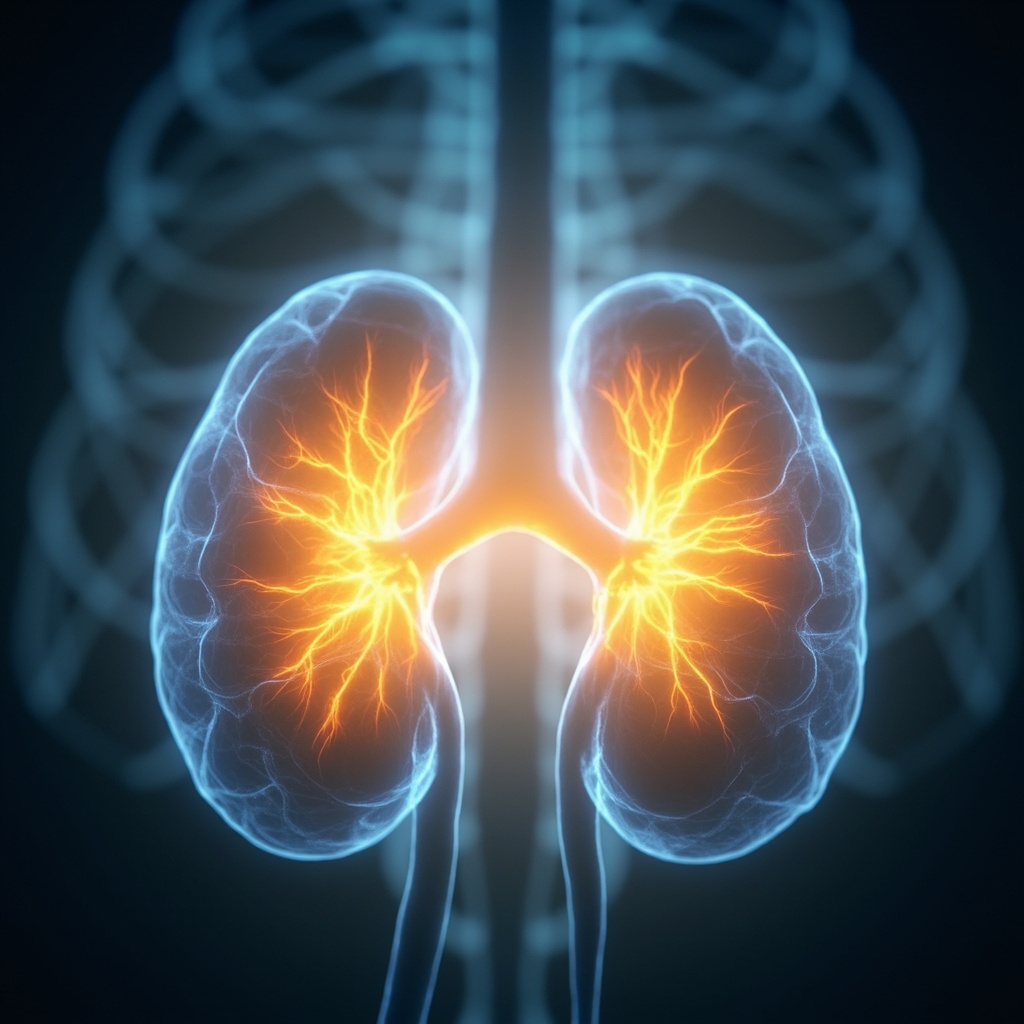
:### Nestled in the Adrenal Glands
The adrenal medulla sits at the center of your adrenal glands, small organs perched above each kidney. This vital core produces adrenaline (also called epinephrine) and noradrenaline (norepinephrine). These hormones act like an instant energy boost when your body senses danger or pressure.
When everything works smoothly, the medulla helps you face challenges head-on. It ramps up your heart rate, sharpens focus, and floods muscles with fuel. This is your body's natural alarm system kicking in.
The Fight-or-Flight Powerhouse
Imagine a sudden threat: your brain signals the medulla, and within seconds, hormones flood your bloodstream. Heart pounds faster, blood pressure rises, breathing quickens. Sugar releases from stores for quick energy. Pupils dilate for better vision. This fight-or-flight response prepares you to act-fight the danger or flee to safety.
In modern life, this response triggers not just for lions, but for deadlines, arguments, or traffic jams. Short bursts are helpful; constant activation wears you down.
Emotional Ties to the Medulla
Beyond physical reactions, the medulla links to deep emotions. Fear, anxiety, and a sense of constant threat can overstimulate it. You might feel always on edge, scanning for problems, or trapped without escape.
Over time, this leads to hypervigilance-a state of endless alertness. It drains emotional reserves, fostering chronic stress or even burnout. On the flip side, a balanced medulla supports resilience, helping you bounce back from upsets with renewed strength.
Signs of Imbalance
If the medulla runs too hot, like in rare tumors called pheochromocytoma, excess hormones cause spiking blood pressure, racing heart, headaches, and sweating. More commonly, prolonged stress exhausts it, leading to fatigue, low energy, mood dips, and weakened immunity.
In energy terms, this shows as blocked flow: agitation where calm should reign, or sluggish vitality. Biomarkers from your body's electrical signals reveal these shifts-energy levels, tension, and harmony in the medulla.
- Overactive: Jittery nerves, insomnia, irritability.
- Exhausted: Persistent tiredness, slow recovery, foggy mind.
Medulla as Your Inner Ally
When healthy, the medulla serves as a powerful resource. It can lend its surge to other body parts needing a lift-boosting heart output during workouts or aiding recovery from illness. In healing practices, call on it to energize priorities, like supporting tired organs with timed hormone pulses.
Restoring Harmony Through Energy Work
As an inner energy practitioner, I focus on realigning the medulla for energetic coherence. Simple steps build balance:
- Breathwork: Deep, slow breaths activate calm counterparts to fight-or-flight.
- Mindful Movement: Gentle yoga or walks discharge built-up tension.
- Guided Focus: Visualize warm light enveloping the adrenals, easing agitation.
Advanced energy techniques, like chakra tuning (root and solar plexus areas link here), or vibrational support, target its resonance. Track progress with biomarkers showing rising vitality and falling stress markers.
Recent studies highlight sound and meditation calming the stress axis, including medulla-driven responses. These practices lower hormone spikes, promoting peace.
Path to Vitality
Tuning your medulla unlocks deeper self-development. Less reactive, more present-you handle life's demands with grace. Embrace its power wisely: surge when needed, rest to recharge. This harmony fuels mind-body-spirit integration, revealing hidden strengths.
For deeper insights, explore the medulla glossary. Feel the shift toward balanced energy.
- 1. pmc.ncbi.nlm.nih.gov
- 2. pmc.ncbi.nlm.nih.gov
- 3. nature.com
- 4. ncbi.nlm.nih.gov
- 5. frontiersin.org
- 6. youtube.com
- 7. facebook.com
- 8. niehs.nih.gov
- 9. my.clevelandclinic.org
- 10. npr.org
- 11. experts.umn.edu
- 12. researchgate.net
- 13. psychologytoday.com
- 14. scirp.org
- 15. biorxiv.org
- 16. scirp.org
- 17. pmc.ncbi.nlm.nih.gov
- 18. blog.accessmedlab.com
- 19. nichd.nih.gov
- 20. niehs.nih.gov
- 21. health.ucdavis.edu
- 22. researchgate.net
- 23. pmc.ncbi.nlm.nih.gov
- 24. pmc.ncbi.nlm.nih.gov
- 25. youtube.com
- 26. nationaljewish.org
- 27. zrtlab.com
- 28. mayoclinic.org
- 29. pmc.ncbi.nlm.nih.gov
- 30. mayoclinic.org
- 31. facebook.com
- 32. nichd.nih.gov
- 33. neuroscienceresearch.wustl.edu
- 34. pnas.org
- 35. today.ucsd.edu
- 36. pmc.ncbi.nlm.nih.gov
- 37. optimaldx.com
- 38. youtube.com
- 39. mayoclinic.org
- 40. sciencedirect.com
- 41. pubmed.ncbi.nlm.nih.gov
- 42. pmc.ncbi.nlm.nih.gov
- 43. sciencedirect.com
- 44. sciencedirect.com
- 45. ebsco.com
- 46. publichealth.columbia.edu
- 47. lamclinic.com
- 48. mountsinai.org
- 49. pubmed.ncbi.nlm.nih.gov
- 50. youtube.com
相关文章
术语表
- 能量和思维结构 > 专注的连贯性;焦点
- 能量和思维结构 > 和平
- 能量和思维结构 > 免疫力
- 身体区域 > 腺体
- 身体区域 > 髓质
- 身体区域 > 荷尔蒙
- 身体区域 > 肌肉
- 身体区域 > 神经
- 身体区域 > 感官
- 身体区域 > 面部
- 能量和思维结构 > 器官
- 中医食谱 > 能量提升:对抗疲劳的简单食谱
- 中医食谱 > 肾脏健康:提升能量并缓解背痛
- 中医食谱 > 心脏健康:焦虑和心悸的疗法
- 中医食谱 > 大脑增强:清除雾霭,改善注意力和记忆力
- 中医食谱 > 肾上腺支持:疲劳和压力的疗法
- 中医食谱 > 提升你的能量:缓解疲劳的中医食谱
- 能量和思维结构 > 活力
- 能量和思维结构 > 血压
- 能量和思维结构 > Theta; 4.31-6.97 Hz。轻度睡眠,冥想。
- 能量和思维结构 > 压力
- 刺激 > 月亮 - 鼻腔,呼吸,味觉
- 刺激 > 和谐
- 刺激 > 血液
see also...
- 能量和思维结构 > 心率变异性
- 能量和思维结构 > 身体区域 > 胸部的
- 能量和思维结构 > 中医食谱 > 缓解紧张性头痛:减轻压力的自然方法
- Testimonials > 声音疗法导致恶心下降61%和头痛下降58%
- 双耳节拍 > 刺激 > 变种病毒素