


Secale cornutum: Yoga for nerve calm og motstandskraft
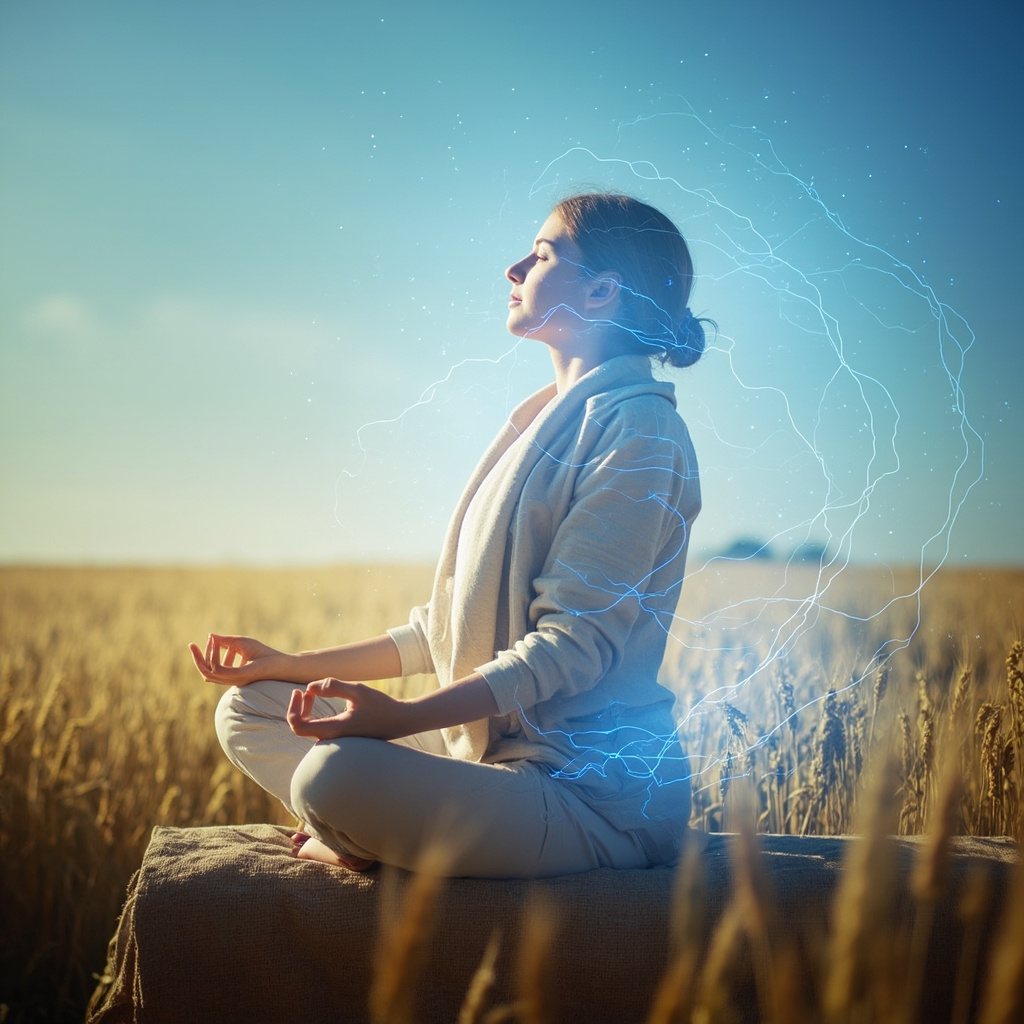
Understanding Secale Cornutum
Secale cornutum is a fungus found on rye and other grains. In the body, its signals relate to the nervous system and blood flow. When out of balance, it can show as muscle spasms, convulsions, or tight blood vessels. These may lead to feelings of unrest in the body. For more details, see the glossary entry.
This imbalance often ties to an unhealthy view of the body. People might feel disconnected from their physical self, leading to worry about health.
Signs of Imbalance in Daily Life
You might notice these common signals:
- Twitching or spasms in muscles, especially limbs.
- Cold sensations in hands or feet, despite feeling warm inside.
- Restlessness or sudden jerks that disrupt sleep.
On the emotional side:
- Fear of bodily harm or illness.
- Anxiety that builds like a storm, with racing thoughts.
- Distress from hallucinations or panic in severe cases, echoing historical outbreaks.
These patterns strain heart rate variability (HRV), a key measure of nervous system health. Low HRV signals ongoing stress, making calm harder to find.
Secale Cornutum as a Resource
When balanced, Secale cornutum supports nervous system relaxation. It eases vessel tension, promotes steady blood flow, and fosters emotional stability. Think of it as a gentle guide to resilience, helping you face fears with steady breath and grounded presence.
Yoga taps this resource by calming overactive nerves and boosting parasympathetic activity-the rest-and-restore side of your system.
Yoga Sequence for Nerve Calm
Practice this 20-30 minute routine 3-5 times weekly. Focus on slow movements and breath. Use props like blankets for support.
1. Centering Breath (5 minutes)
Begin seated or lying down. Try Nadi Shodhana (alternate nostril breathing):
- Close right nostril with thumb, inhale left for 4 counts.
- Close left with ring finger, exhale right for 4.
- Inhale right, exhale left. Repeat 10 rounds.
This balances left-right brain, soothes sympathetic nerves, and steadies HRV.
2. Restorative Poses (10 minutes)
Child's Pose (Balasana):
- Kneel, fold forward, arms extended or by sides.
- Rest forehead on mat or block.
- Breathe deeply into belly for 3-5 minutes.
Eases back tension, calms spasms, invites body acceptance.
Legs-Up-the-Wall (Viparita Karani):
- Lie with legs up wall, hips close to base.
- Arms rest by sides, eyes soft.
- Hold 5 minutes.
Reverses blood flow strain, cools nervous heat, reduces anxiety.
3. Gentle Flows for Resilience (10 minutes)
Cat-Cow (Marjaryasana-Bitilasana):
- On hands and knees, alternate arching and rounding spine.
- Sync with breath: inhale arch, exhale round. 10 rounds.
Releases vessel constriction, improves posture signals.
Seated Forward Bend (Paschimottanasana) variation:
- Sit with legs extended, fold forward softly.
- Hold shins if tight. Breathe for 2 minutes each side.
Calms mind, addresses fear by grounding forward energy.
Breathing for Emotional Ease
4-7-8 Breath counters distress:
- Inhale 4 counts, hold 7, exhale 8.
- Repeat 4-6 times.
This activates relaxation response, mimicking Secale cornutum's calming resource.
Tracking Your Progress
Notice changes in daily tension. Better sleep? Fewer twitches? Higher energy without jitters? Yoga builds resilience by tuning breath to body signals.
For personalization, biomarkers like stress index or autonomic nerves guide pose choices. High agitation? More restoratives. Low vitality? Add flows.
Long-Term Benefits
Regular practice shifts nervous patterns. Fear softens to trust, spasms to fluidity. You gain a resilient body-mind link, ready for life's flows.
Historical ergotism taught us imbalance's cost. Today, yoga offers prevention through awareness.
Commit to this path. Your nerves will thank you with quiet strength.
- 1. facebook.com
- 2. jcdr.net
- 3. abchomeopathy.com
- 4. farmprogress.com
- 5. ahdb.org.uk
- 6. evansandpearce.com
- 7. homeobook.com
- 8. it.pinterest.com
- 9. journals.lww.com
- 10. materiamedica.info
- 11. americanagnetwork.com
- 12. hpathy.com
- 13. herbs2000.com
- 14. agrilifeextension.tamu.edu
- 15. onlinelibrary.wiley.com
- 16. youtube.com
- 17. tonjansenhomeopathy.com
- 18. facebook.com
- 19. scribd.com
- 20. journals.sagepub.com
- 21. webmd.com
- 22. hpathy.com
- 23. hpathy.com
- 24. kavithakhomeo.com
- 25. facebook.com
- 26. herbpathy.com
- 27. feedstuffs.com
- 28. wvutoday.wvu.edu
- 29. homeoint.org
- 30. pmc.ncbi.nlm.nih.gov
- 31. pmc.ncbi.nlm.nih.gov
- 32. sciencedaily.com
- 33. pmc.ncbi.nlm.nih.gov
- 34. hpathy.com
- 35. abtaba.com
- 36. qjure.com
- 37. homeoint.org
- 38. openurl.ebsco.com
- 39. abchomeopathy.com
- 40. cambridge.org
- 41. digicomply.com
- 42. vithoulkas.com
- 43. massmed.org
- 44. mdpi.com
- 45. mdpi.com
- 46. pmc.ncbi.nlm.nih.gov
- 47. sciencedirect.com
- 48. homoeopathic.in
- 49. swadesii.com
Relaterte innlegg
Ordliste
- Energi og sinn Strukturer > Fokusert Koherens; Fokus
- Energi og sinn Strukturer > Secale cornutum
- Kroppssoner > muskler
- Kroppssoner > nerver
- Kroppssoner > parasympatetisk
- Kroppssoner > øyne
- Kroppssoner > ansikt
- TCM Oppskrifter > Hjertehelse: Midler for angst og hjertebank
- TCM Oppskrifter > Hjerneforsterkning: Fjern Tåke, Forbedre Fokus og Hukommelse
- Energi og sinn Strukturer > søvn
- Energi og sinn Strukturer > lemmer, hud
- Energi og sinn Strukturer > Stress
- Stimuli > Måne - Nese passasje, Pusting, Smak
- Binaurale beats > Nervesystem: Et program for følelsesmessig balanse og avslapning
- Binaurale beats > Blodårer og Arterier: Øk Sirkulasjonen og Velvære
- Stimuli > Lede
- Stimuli > Blod
see also...
- Energi og sinn Strukturer > HRV
- Energi og sinn Strukturer > Kroppssoner > thorax
- Energi og sinn Strukturer > TCM Oppskrifter > Øk energien: Et enkelt middel mot lav energi og tretthet
- Testimonials > 61% reduksjon i kvalme og 58% i hodepine fra lydterapi
- Binaurale beats > Stimuli > Variolinum
- Binaurale beats > Blodårer og Arterier: Øk Sirkulasjonen og Velvære