


בריאות נפשית 2: הקלה על OCD, חרדה, אבל
Many people face challenges with obsessive-compulsive disorder (OCD), phobias, grief, and anxiety. These can appear as repeating unwanted thoughts, intense fears, heavy sadness, or constant worry that interferes with daily life. Understanding the body's own signals offers a path to relief and balance.
What Mental Health 2 Reveals
Mental Health 2 is a biomarker that shows how your body's electrical activity reflects emotional health. It highlights patterns linked to stress responses, mental agitation, and the ability to stay calm under pressure. When balanced, it supports clear thinking, steady moods, and resilience against emotional ups and downs.
Imbalances here often tie to real-life struggles. For example, someone with OCD might notice rigid routines or intrusive ideas. Phobias can trigger sudden panic. Grief lingers as a weight on the heart, while anxiety keeps the mind racing. These states affect not just feelings but the whole body.
The Role of Heart Rate Variability
A key sign of emotional balance is heart rate variability (HRV). This measures tiny changes in time between heartbeats. High HRV means your body adapts well to stress, promoting relaxation and focus. Low HRV often appears in anxiety, OCD, and similar issues, signaling a need for support.
As a psychologist, I track HRV alongside emotional patterns. It provides objective insights into progress. Practices that boost HRV also improve emotional regulation, helping clients move from agitation to calm.
Ancient Points for Modern Relief
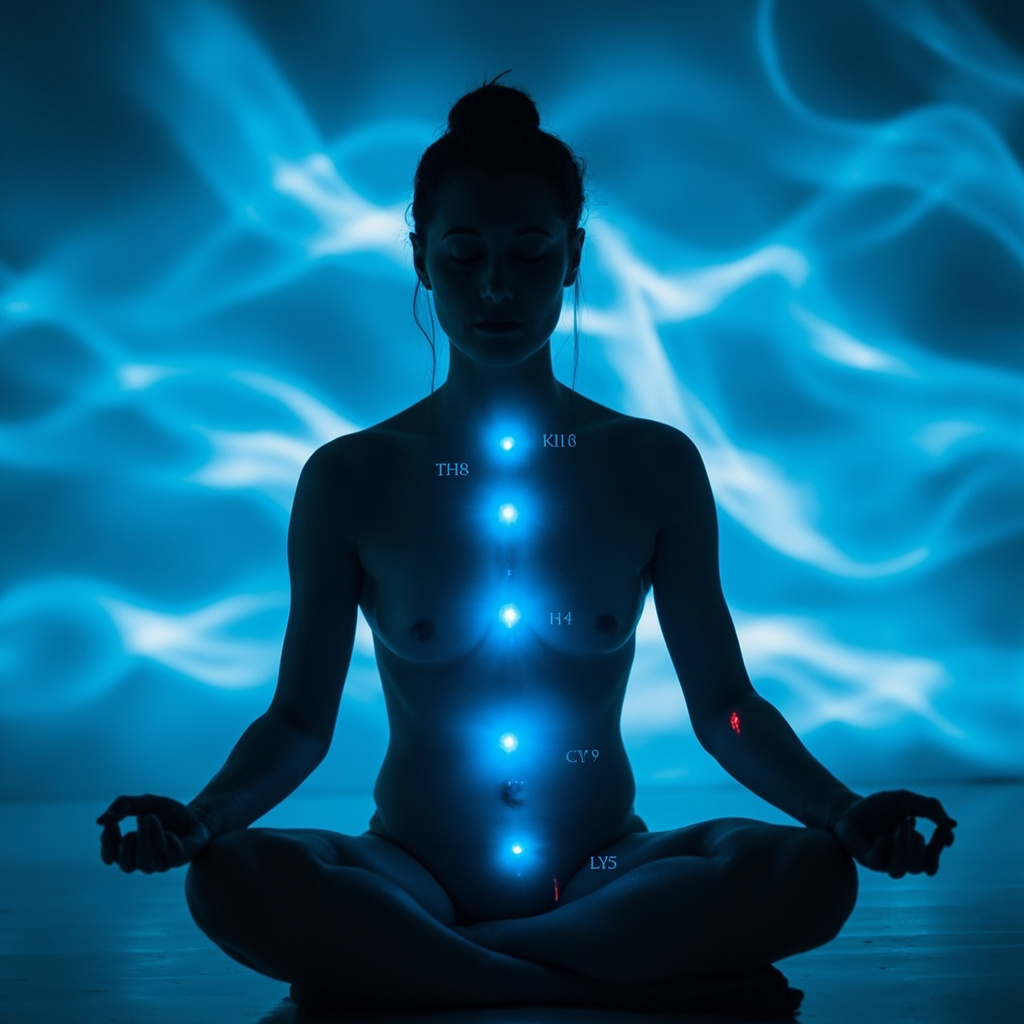
Traditional Chinese Medicine (TCM) has long used specific body points to harmonize energy and emotions. The Mental Health 2 approach draws on five points, each with a gentle role in calming the mind:
- TH8 (Sanyangluo): Found on the outer forearm, about a hand's width above the wrist. It smooths energy flow, easing anxiety and obsessive thoughts.
- KI16 (Huangshu): Two finger-widths beside the navel. It nourishes inner strength, grounding scattered feelings.
- Ha6 (Chengjiang): In the center of the chin. It releases tension in the face from emotional buildup. Be gentle here, avoiding the mouth area.
- CV9 (Shuifen): On the abdomen's midline, just above the navel. It clears mental fog, bringing clarity and peace.
- Ly5 (Shangqiu): Inside the ankle, above the inner ankle bone. It soothes grief, fear, and emotional storms.
These points work as a team. By focusing on them, you invite balance to energy, body, and mind.
Evidence from Recent Studies
Modern research backs this wisdom. Studies show acupuncture at similar points reduces anxiety scores by meaningful amounts. For instance, people with worry and low mood report less distress after sessions. HRV improves too, linking physical changes to better mental states.
In one review, acupuncture outperformed placebos for generalized anxiety. Another highlighted its help for emotional symptoms in digestive issues tied to stress. These findings align with TCM's view: true healing connects body and emotions.
Simple Ways to Use These Points
You can start today with easy practices:
- Find a quiet spot. Sit or lie down comfortably.
- Breathe deeply: Inhale for four counts, hold briefly, exhale slowly.
- Place a hand or focus your gaze on one point at a time.
- Picture soft, warm light spreading from the point, dissolving tension.
- Spend 1-2 minutes per point, moving through all five.
Repeat daily, perhaps before bed or during stressful moments. Pair with walks, journaling, or talking to a trusted friend. Over time, notice shifts in mood and energy.
Building Long-Term Resilience
Tracking biomarkers like Mental Health 2 and HRV shows real progress. High agitation drops, focus sharpens, and positivity grows. This supports therapy, mindfulness, or self-care routines.
Emotional health is a journey. By addressing these body signals, you foster resilience, clarity, and joy. Small steps lead to profound change, unlocking hidden capacities for well-being.
As your guide in emotional health, I encourage exploring these tools. Balance awaits.
- 1. taoofwellness.com
- 2. journals.lww.com
- 3. pmc.ncbi.nlm.nih.gov
- 4. somaclinic.sg
- 5. pmc.ncbi.nlm.nih.gov
- 6. franklinacupunctureclinic.com
- 7. sciencedirect.com
- 8. onlinelibrary.wiley.com
- 9. villageremedies.com
- 10. frontiersin.org
- 11. calandraacupuncture.com
- 12. coherence.today
- 13. acaacupuncture.com
- 14. acuproacademy.com
- 15. healthline.com
- 16. acuproacademy.com
- 17. mdpi.com
- 18. linkedin.com
- 19. acupuncturetoday.com
- 20. pmc.ncbi.nlm.nih.gov
- 21. verywellmind.com
- 22. acu-current.com
- 23. pubmed.ncbi.nlm.nih.gov
- 24. frontiersin.org
- 25. link.springer.com
- 26. pmc.ncbi.nlm.nih.gov
- 27. journals.lww.com
- 28. ia800504.us.archive.org
- 29. mentalhealthdaily.com
- 30. us.humankinetics.com
- 31. whitecraneclinic.com
- 32. sciencedirect.com
- 33. t.me
- 34. pulseacuhealth.com
- 35. frontiersin.org
- 36. formrecovery.com
- 37. scribd.com
- 38. nricm.edu.tw
- 39. lucentpsych.com
- 40. pubmed.ncbi.nlm.nih.gov
- 41. medicalnewstoday.com
- 42. researchprotocols.org
- 43. takingcharge.csh.umn.edu
- 44. sciencedirect.com
- 45. youtube.com
- 46. cornerstonehealingcenter.com
- 47. drlewis.com
- 48. mastertungacupuncture.org
- 49. bannedthought.net
- 50. lotusacupunctureclinic.com
- 51. pmc.ncbi.nlm.nih.gov
- 52. coherence.today
- 53. health.clevelandclinic.org
פוסטים קשורים
מילון
- מבנים של אנרגיה ומחשבה > קוהרנטיות ממוקדת; מיקוד
- מבנים של אנרגיה ומחשבה > מנטלי
- מבנים של אנרגיה ומחשבה > עצב
- מבנים של אנרגיה ומחשבה > שלום
- מבנים של אנרגיה ומחשבה > אבל
- אזורים בגוף > פה
- אזורים בגוף > פנים
- מתכוני TCM > הרגע את דעתך: מתכון לרפואה סינית מסורתית להקלה על חרדה
- מתכוני TCM > איזון רגשי: מדריך TCM להרגעת חרדה ואינסומניה
- מתכוני TCM > בריאות נפשית 2: תרופות לרגשות ולחרדה
- מתכוני TCM > הקלה על העיכול: מדריך פשוט להקלת נפיחות ועיכול
- מתכוני TCM > בריאות הלב: תרופות לחרדה והקפיצות
- מבנים של אנרגיה ומחשבה > לחץ
- גירויים > עצם
- גירויים > לְהַנְחוֹת