


בורליה בורגדורפרי: המפריע לשינה של ליים
What is Borrelia burgdorferi?
Borrelia burgdorferi is the bacterium responsible for Lyme disease, a condition spread by tick bites. It often starts with a bullseye rash on the skin but can spread to joints, heart, and nervous system if untreated. This leads to ongoing inflammation, causing widespread symptoms like joint pain, fatigue, and heart irregularities. Many people face challenges because early signs are subtle, and diagnosis can take time.
In the body, this bacterium thrives by evading the immune system, creating a cycle of discomfort. For those assessing their electrical activity, it appears as a key biomarker linked to these physical and emotional strains.
How Lyme Disease Steals Your Sleep
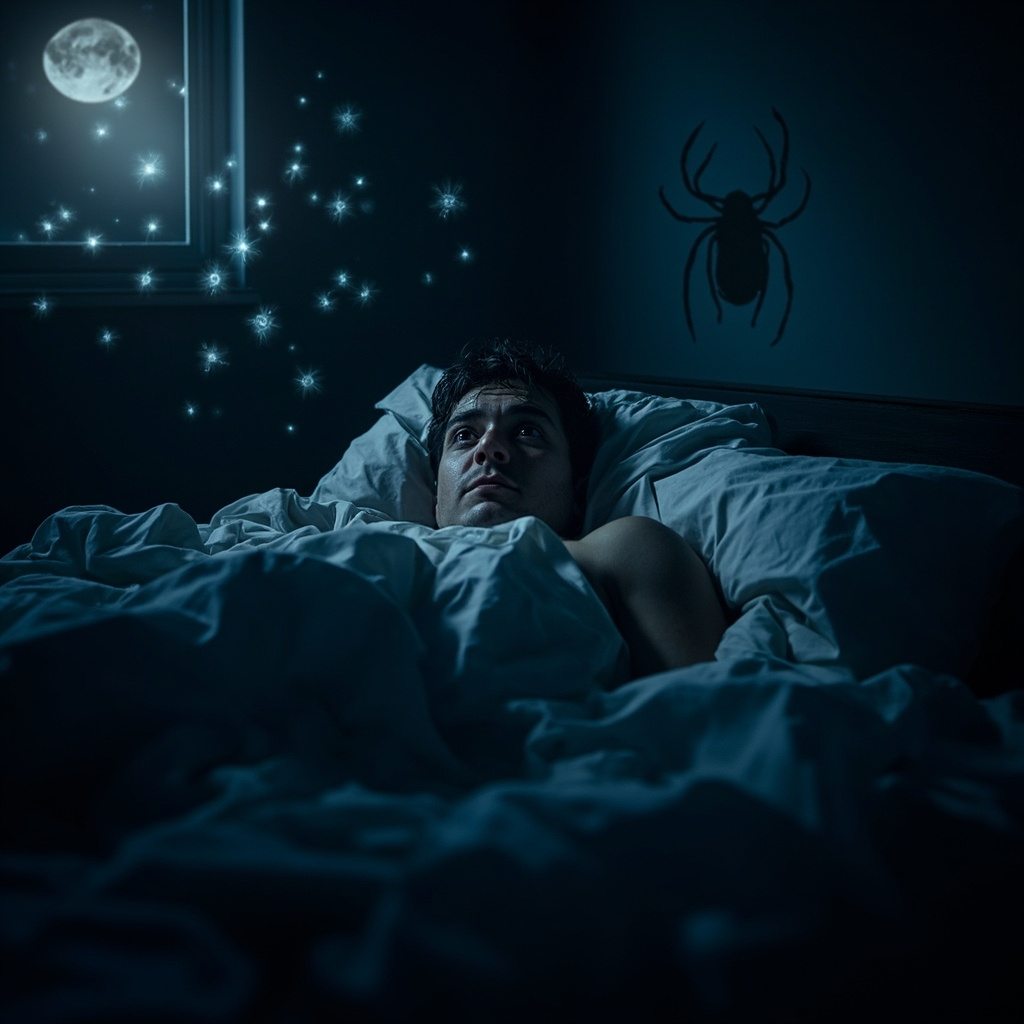
Sleep problems are common in Lyme disease, affecting up to 40% of patients. The bacterium can invade the brain's sleep center, causing insomnia, frequent night awakenings, and non-restorative rest. Patients often describe feeling wired yet exhausted-wide awake at night and drained during the day.
This happens because inflammation disrupts the circadian rhythm, the body's natural sleep-wake cycle. Cortisol levels, a key stress hormone, spike inappropriately, blocking the shift to restful states. Heart rate variability (HRV), a measure of nervous system balance, drops, signaling poor recovery during sleep.
Research shows poor sleep worsens Lyme symptoms. For example, fragmented sleep in studies delays arthritis healing by slowing bacterial clearance. Breathing patterns falter too, mimicking issues like sleep apnea, further robbing energy restoration.
Common Sleep Disruptions from Lyme
- Difficulty falling asleep due to racing thoughts or pain
- Waking multiple times, often around 2-3 AM
- Daytime fatigue despite hours in bed
- Reversed rhythms: sleepy mornings, alert nights
- Reduced deep sleep stages for true rejuvenation
The Emotional Weight of Borrelia
Beyond physical toll, Borrelia burgdorferi stirs anxiety, fear, and frustration. Chronic pain and uncertainty fuel a sense of helplessness. Fatigue amplifies mood swings, while nervous system involvement heightens stress responses.
These emotions feed a vicious cycle: anxiety raises cortisol, worsening sleep, which heightens irritability. Many report feeling trapped by unpredictable symptoms, echoing deeper fears about health and vitality.
Linking to Stress Hormones and Recovery
As a sleep coach, I focus on how biomarkers like this reveal imbalances. High cortisol at night prevents parasympathetic activation-the rest-and-digest mode essential for deep sleep. Low HRV indicates sympathetic overdrive, the fight-or-flight state that Lyme provokes.
Energy restoration suffers as sleep fails to recharge. Vitality dips, muscles ache more, and breathing shallows, all compounding fatigue. Monitoring these patterns helps pinpoint Lyme's role in circadian misalignment.
Turning Borrelia into a Healing Resource
When viewed positively, this biomarker offers insights. A healthy relationship with Borrelia burgdorferi supports managing Lyme's challenges. It highlights needs for skin, joint, heart, and nerve care, promoting healing through targeted balance.
In assessments of body electrical activity, its energy, agitation, and links guide gentle support. Resonance frequencies can calm inflammation, easing sleep pathways. Emotional guidance shifts focus from fear to empowerment, fostering calm for better rest.
Practical Steps for Sleep Recovery
- Prioritize tick prevention: Check skin after outdoors
- Support circadian health: Dim lights evenings, consistent bedtime
- Boost HRV: Deep belly breathing before bed
- Address inflammation: Anti-inflammatory foods like omega-3s
- Track patterns: Note awakenings tied to pain or anxiety
Restoring balance here unlocks deep recovery. Patients often reclaim nights of true refreshment, waking with clarity and strength. Lyme need not dominate sleep-understanding this bacterium paves the way forward.
- 1. ovid.com
- 2. danielcameronmd.com
- 3. lymedisease.org
- 4. cognitivefxusa.com
- 5. hopkinslyme.org
- 6. restorativehealthsolutions.com
- 7. sciencedirect.com
- 8. cdc.gov
- 9. feinberg.northwestern.edu
- 10. pubmed.ncbi.nlm.nih.gov
- 11. globallymealliance.org
- 12. pubmed.ncbi.nlm.nih.gov
- 13. med.stanford.edu
- 14. nature.com
- 15. pubmed.ncbi.nlm.nih.gov
- 16. pubmed.ncbi.nlm.nih.gov
- 17. pubmed.ncbi.nlm.nih.gov
- 18. danielcameronmd.com
- 19. wbay.com
- 20. ama-assn.org
- 21. pubmed.ncbi.nlm.nih.gov
- 22. globallymealliance.org
- 23. pubmed.ncbi.nlm.nih.gov
- 24. academic.oup.com
- 25. sleeprecovery.net
- 26. pubmed.ncbi.nlm.nih.gov
- 27. bayarealyme.org
- 28. frontiersin.org
- 29. pubmed.ncbi.nlm.nih.gov
- 30. pubmed.ncbi.nlm.nih.gov
- 31. hopkinslyme.org
- 32. pubmed.ncbi.nlm.nih.gov
- 33. hopkinsmedicine.org
- 34. facebook.com
פוסטים קשורים
מילון
- מבנים של אנרגיה ומחשבה > קוהרנטיות ממוקדת; מיקוד
- מבנים של אנרגיה ומחשבה > בורליה בורגדורפרי
- אזורים בגוף > הורמונים
- אזורים בגוף > מפרקים
- אזורים בגוף > שרירים
- אזורים בגוף > פנים
- מתכוני TCM > בריאות העור: תרופות לאקנה ואקזמה
- מתכוני TCM > שיכוך ארתריטיס: פתרונות טבעיים לכאב מפרקים
- מתכוני TCM > בריאות הלב: תרופות לחרדה והקפיצות
- מתכוני TCM > הגבר את האנרגיה שלך: מתכון TCM להקלה על עייפות
- מבנים של אנרגיה ומחשבה > שינה
- מבנים של אנרגיה ומחשבה > חיוניות
- מבנים של אנרגיה ומחשבה > לחץ
- גירויים > ירח - מעבר האף, נשימה, טעם
- גירויים > כאב
- ביטויים בינהורליים > הקלת דלקת: הבריאו מהר יותר עם ביטים בינאורליים
- ביטויים בינהורליים > מערכת העצבים: תוכנית לאיזון רגשי והרפיה
- ביטויים בינהורליים > תמיכה במערכת החיסון: שיפור הבריאות עם תדרי קול
- גירויים > אפניאה
- גירויים > מחלת ליים
- גירויים > ליים
see also...
- מבנים של אנרגיה ומחשבה > HRV
- מבנים של אנרגיה ומחשבה > אזורים בגוף > חִזְרָה
- מבנים של אנרגיה ומחשבה > מתכוני TCM > הקלה על כאב ראש מתח: גישה טבעית להקלת מתחים
- Testimonials > 61% ירידה בבחילות ו-58% בכאבי ראש מטיפול באמצעות קול
- ביטויים בינהורליים > גירויים > ליסינום
- ביטויים בינהורליים > תמיכה במערכת החיסון: שיפור הבריאות עם תדרי קול