


Bajo Parasimpático: ¿Cansado Después de Dormir?
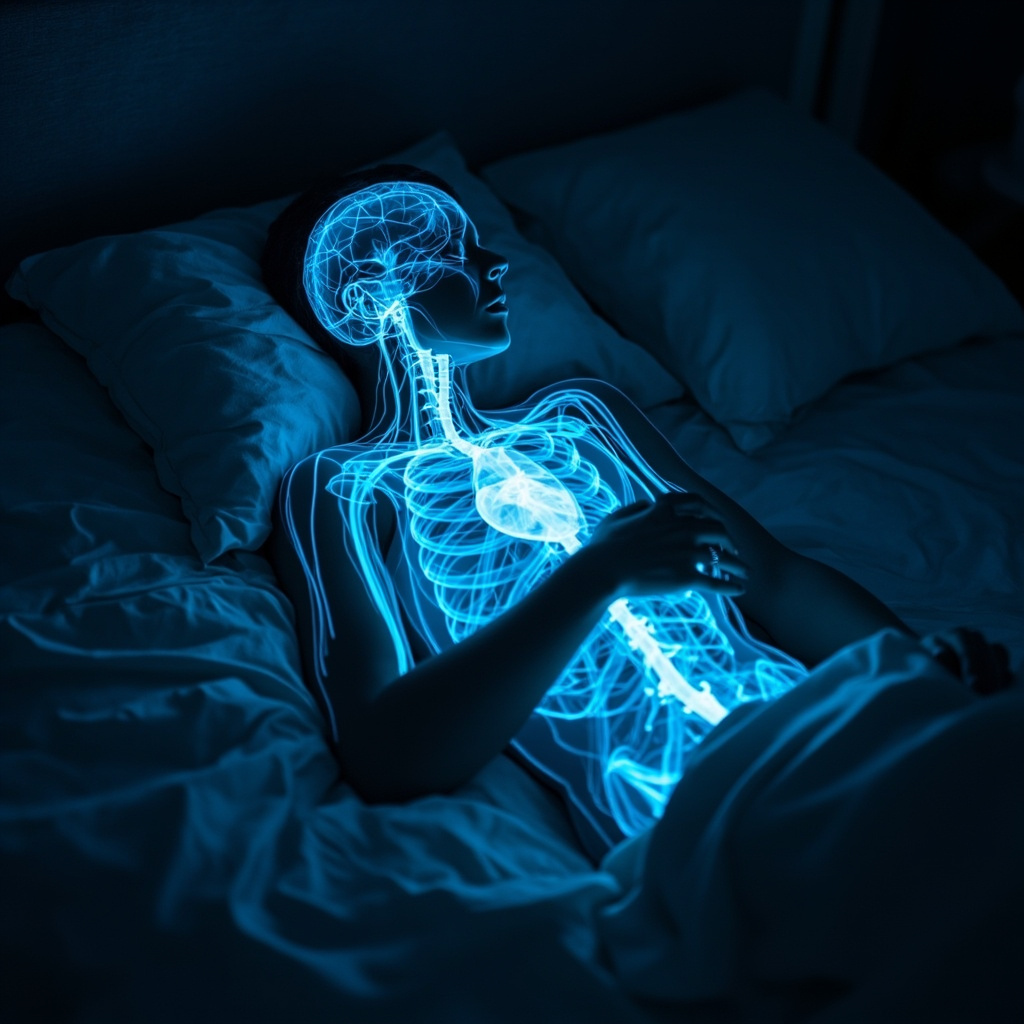
Do You Wake Up Feeling Exhausted After a Full Night's Sleep?
You hit the pillow at a decent hour, get your eight hours, yet morning brings grogginess, low energy, and that dragging fatigue. Coffee barely helps, naps do nothing, and you wonder why your body won't recharge. You're not alone. Millions face this hidden drain on daily life. It shows up as foggy thinking, weak focus, irritable moods, and a body that feels heavy all day.
You've Tried the Usual Fixes, But They Fall Short
- Sleep hygiene tricks: Dark room, no screens, consistent bedtime. Still tired.
- Supplements: Melatonin, magnesium, herbal teas. Temporary lift, then back to square one.
- Routines: Yoga, breathing apps, cutting caffeine. Some relief, but no lasting change.
- Doctor visits: Blood tests normal, sleep study clear. Told to 'just relax more.'
These efforts validate your struggle—they work for some—but miss the deeper issue. You feel seen yet stuck, building frustration.
The Real Problem: Weak Parasympathetic Activity
Your autonomic nervous system runs in the background, like an autopilot for heart rate, digestion, and rest. It has two sides:
- Sympathetic: Fight-or-flight, ramps you up for action.
- Parasympathetic: Rest-and-digest, slows heart rate, aids recovery, promotes deep calm.
The parasympathetic, often called the 'brake' on stress, lives in your brainstem and sacral area. It conserves energy, boosts gut health, relaxes muscles, and signals 'safe to rest.' Low activity here means poor heart rate variability (HRV)—a key measure of recovery. HRV drops when parasympathetic can't counter stress, leaving you wired but tired.
For more: Parasympathetic Glossary.
This imbalance links to unrefreshing sleep. Studies show reduced parasympathetic during deep sleep stages in chronic fatigue cases (source). Emotional ties? It signals unresolved overwhelm, blocking true relaxation.
Why Past Attempts Failed: Surface vs. Root
Common fixes boost symptoms but ignore the autonomic switch. Breathing helps briefly, but without targeting parasympathetic resonance, it fades. Research confirms: Low nocturnal parasympathetic predicts poor sleep quality, even with enough hours (source).
Cortisol stays high at night, HRV low, blocking restoration. You've exercised, dieted, meditated—yet if parasympathetic lags, recovery stalls.
The Cost of Ignoring It: A Vicious Cycle
Unchecked, it worsens:
- Daily drain: Chronic fatigue leads to burnout.
- Health risks: Gut issues, heart strain, weakened immunity.
- Emotional toll: Anxiety, low mood from poor recovery.
Recent data links low parasympathetic to fragmented sleep and exhaustion post-exertion (source). Act now to break the loop.
A New Path: Targeted Nervous System Support
Enter frequency-based therapies and micro-current devices—tools echoing nature's rhythms to activate parasympathetic directly. Unlike pills, they tune your body's electrical signals for balance.
Expensive options? Clinical vagus nerve stimulators cost thousands, need doctors. Home biofeedback runs $500+, requires daily training.
What if a simple scan revealed your exact imbalance, delivering personalized audio frequencies, guided inner journeys, and micro-currents?
BioCoherence: Science-Backed Parasympathetic Restoration
Restore Deep Recovery with BioCoherence
BioCoherence analyzes your body's electrical activity via a quick ECG sensor recording. It computes 1500+ biomarkers, spotlighting parasympathetic status—energy, agitation, links.
How it works:
- Harmonic Boost: Custom frequencies make parasympathetic resonate, using its main resonances or stimuli for goals like better sleep.
- Personal Guide: 21-day daily audio meditations, tailored to your priorities (e.g., boost parasympathetic as resource). Texts guide inner focus: 'Feel your rest nerves calming heart and gut.'
- Harmonizer: Micro-currents via wearable, real-time driven by your scan or programs.
Built from explorations or basic library. Tutorials: BioCoherence Tutorials.
Why it succeeds: Matches your unique signals, unlike generic aids. Studies back frequency/vagus stim for sleep: Improves HRV, cuts insomnia (source).
Experts endorse: Sleep coaches use it for HRV/cortisol balance.
Affordable: Sensor $100, app subscription low vs. therapies. Risk-free: 21-day results or adjust.
Real Stories from Users
"After weeks, sleeping better, more energy, less tired." – Mike N., USA
"Quality of sleep improving, less joint pain, more active." – Raymond, France, 78
"Hadn't slept well in two years. After frequencies, sleeps really well." – Kat's customer, USA
"Stopped screaming at night, mind not racing." – TJ's client with Down syndrome
See more: Testimonials.
Reclaim restorative sleep. Start with a scan today.en:## Do You Wake Up Feeling Exhausted After a Full Night's Sleep?
You hit the pillow at a decent hour, get your eight hours, yet morning brings grogginess, low energy, and that dragging fatigue. Coffee barely helps, naps do nothing, and you wonder why your body won't recharge. You're not alone. Millions face this hidden drain on daily life. It shows up as foggy thinking, weak focus, irritable moods, and a body that feels heavy all day.
You've Tried the Usual Fixes, But They Fall Short
- Sleep hygiene tricks: Dark room, no screens, consistent bedtime. Still tired.
- Supplements: Melatonin, magnesium, herbal teas. Temporary lift, then back to square one.
- Routines: Yoga, breathing apps, cutting caffeine. Some relief, but no lasting change.
- Doctor visits: Blood tests normal, sleep study clear. Told to 'just relax more.'
These efforts validate your struggle-they work for some-but miss the deeper issue. You feel seen yet stuck, building frustration.
The Real Problem: Weak Parasympathetic Activity
Your autonomic nervous system runs in the background, like an autopilot for heart rate, digestion, and rest. It has two sides:
- Sympathetic: Fight-or-flight, ramps you up for action.
- Parasympathetic: Rest-and-digest, slows heart rate, aids recovery, promotes deep calm.
The parasympathetic, often called the 'brake' on stress, lives in your brainstem and sacral area. It conserves energy, boosts gut health, relaxes muscles, and signals 'safe to rest.' Low activity here means poor heart rate variability (HRV)-a key measure of recovery. HRV drops when parasympathetic can't counter stress, leaving you wired but tired.
For more: Parasympathetic Glossary.
This imbalance links to unrefreshing sleep. Studies show reduced parasympathetic during deep sleep stages in chronic fatigue cases (source). Emotional ties? It signals unresolved overwhelm, blocking true relaxation.
Why Past Attempts Failed: Surface vs. Root
Common fixes boost symptoms but ignore the autonomic switch. Breathing helps briefly, but without targeting parasympathetic resonance, it fades. Research confirms: Low nocturnal parasympathetic predicts poor sleep quality, even with enough hours (source).
Cortisol stays high at night, HRV low, blocking restoration. You've exercised, dieted, meditated-yet if parasympathetic lags, recovery stalls.
The Cost of Ignoring It: A Vicious Cycle
Unchecked, it worsens:
- Daily drain: Chronic fatigue leads to burnout.
- Health risks: Gut issues, heart strain, weakened immunity.
- Emotional toll: Anxiety, low mood from poor recovery.
Recent data links low parasympathetic to fragmented sleep and exhaustion post-exertion (source). Act now to break the loop.
A New Path: Targeted Nervous System Support
Enter frequency-based therapies and micro-current devices-tools echoing nature's rhythms to activate parasympathetic directly. Unlike pills, they tune your body's electrical signals for balance.
Expensive options? Clinical vagus nerve stimulators cost thousands, need doctors. Home biofeedback runs $500, requires daily training.
What if a simple scan revealed your exact imbalance, delivering personalized audio frequencies, guided inner journeys, and micro-currents?
BioCoherence: Science-Backed Parasympathetic Restoration
Restore Deep Recovery with BioCoherence
BioCoherence analyzes your body's electrical activity via a quick ECG sensor recording. It computes 1500 biomarkers, spotlighting parasympathetic status-energy, agitation, links.
How it works:
- Harmonic Boost: Custom frequencies make parasympathetic resonate, using its main resonances or stimuli for goals like better sleep.
- Personal Guide: 21-day daily audio meditations, tailored to your priorities (e.g., boost parasympathetic as resource). Texts guide inner focus: 'Feel your rest nerves calming heart and gut.'
- Harmonizer: Micro-currents via wearable, real-time driven by your scan or programs.
Built from explorations or basic library. Tutorials: BioCoherence Tutorials.
Why it succeeds: Matches your unique signals, unlike generic aids. Studies back frequency/vagus stim for sleep: Improves HRV, cuts insomnia (source).
Experts endorse: Sleep coaches use it for HRV/cortisol balance.
Affordable: Sensor -$100, app subscription low vs. therapies.
Risk-free: 21-day results or adjust.
Real Stories from Users
"After weeks, sleeping better, more energy, less tired." - Mike N., USA
"Quality of sleep improving, less joint pain, more active." - Raymond, France, 78
"Hadn't slept well in two years. After frequencies, sleeps really well." - Kat's customer, USA
"Stopped screaming at night, mind not racing." - TJ's client with Down syndrome
See more: Testimonials.
Reclaim restorative sleep. Start with a scan today.## ¿Te Despiertas Sintiendo Agotamiento Después de Una Noche Completa de Sueño?
Te acuestas a una hora decente, duermes tus ocho horas, sin embargo, la mañana trae somnolencia, poca energía y esa fatiga arrastrante. El café apenas ayuda, las siestas no hacen nada, y te preguntas por qué tu cuerpo no se recarga. No estás solo. Millones enfrentan este drenaje oculto en la vida diaria. Se manifiesta como pensamiento confuso, enfoque débil, estados de ánimo irritables y un cuerpo que se siente pesado todo el día.
Has Intentado Las Soluciones Habituales, Pero No Funcionan
- Trucos de higiene del sueño: Habitación oscura, sin pantallas, hora de dormir consistente. Aún cansado.
- Suplementos: Melatonina, magnesio, tés de hierbas. Alivio temporal, luego de vuelta al punto de partida.
- Rutinas: Yoga, aplicaciones de respiración, reduciendo la cafeína. Algo de alivio, pero sin cambios duraderos.
- Visitas al médico: Análisis de sangre normales, estudio de sueño claro. Te dijeron que 'solo te relajes más.'
Estos esfuerzos validan tu lucha: funcionan para algunos, pero no abordan el problema más profundo. Te sientes visto pero atrapado, acumulando frustración.
El Verdadero Problema: Baja Actividad Parasimpática
Tu sistema nervioso autónomo funciona en segundo plano, como un piloto automático para la frecuencia cardíaca, digestión y descanso. Tiene dos lados:
- Simpatético: Lucha o huida, te prepara para la acción.
- Parasimpático: Descanso y digestión, ralentiza la frecuencia cardíaca, ayuda en la recuperación, promueve una profunda calma.
El parasimpático, a menudo llamado el 'freno' del estrés, reside en tu tronco encefálico y área sacra. Conserva energía, mejora la salud intestinal, relaja los músculos, y señala 'es seguro descansar.' Una baja actividad aquí significa una variabilidad de la frecuencia cardíaca (HRV) pobre, una medida clave de recuperación. La HRV disminuye cuando el parasimpático no puede contrarrestar el estrés, dejándote conectado pero cansado.
Para más información: Glosario Parasimpático.
Este desequilibrio está relacionado con un sueño no reparador. Estudios muestran una reducción del parasimpático durante las etapas profundas del sueño en casos de fatiga crónica (fuente). ¿Vínculos emocionales? Señala un abrumamiento no resuelto, bloqueando la verdadera relajación.
Por Qué Los Intentos Pasados Fallaron: Superficie vs. Raíz
Las soluciones comunes aumentan los síntomas pero ignoran el interruptor autónomo. La respiración ayuda brevemente, pero sin apuntar a la resonancia parasimpática, se desvanece. La investigación confirma: Un bajo parasimpático nocturno predice una mala calidad de sueño, incluso con suficientes horas (fuente).
El cortisol se mantiene alto por la noche, la HRV baja, bloqueando la restauración. Has ejercitado, seguido dietas, meditado; sin embargo, si el parasimpático se retrasa, la recuperación se estanca.
El Costo de Ignorarlo: Un Ciclo Vicioso
Si no se controla, empeora:
- Drenaje diario: La fatiga crónica conduce al agotamiento.
- Riesgos para la salud: Problemas gastrointestinales, estrés cardíaco, inmunidad debilitada inmunidad.
- Carga emocional: Ansiedad, bajo estado de ánimo por mala recuperación.
Datos recientes vinculan un bajo parasimpático con un sueño fragmentado y agotamiento post-esfuerzo (fuente). Actúa ahora para romper el ciclo.
Un Nuevo Camino: Soporte Nervioso Específico
Entra en juego terapias basadas en frecuencias y dispositivos de microcorriente: herramientas que reflejan los ritmos de la naturaleza para activar el parasimpático directamente. A diferencia de las pastillas, ajustan las señales eléctricas de tu cuerpo para lograr un equilibrio.
¿Opciones caras? Los estimuladores del nervio vago clínicos cuestan miles, necesitan médicos. El biofeedback en casa cuesta $500, requiere entrenamiento diario.
¿Qué pasaría si un simple escaneo revelara tu desequilibrio exacto, entregando frecuencias de audio personalizadas, viajes internos guiados y microcorrientes?
BioCoherence: Restauración Parasimpática Avalada por la Ciencia
Restaura la Recuperación Profunda con BioCoherence
BioCoherence analiza la actividad eléctrica de tu cuerpo a través de un rápido registro con sensor ECG. Calcula 1500 biomarcadores, destacando el estado parasimpático: energía, agitación, conexiones.
Cómo funciona:
- Impulso Armónico: Frecuencias personalizadas hacen resonar el parasimpático, usando sus principales resonancias o estímulos para objetivos como un mejor sueño.
- Guía Personal: Meditaciones diarias en audio de 21 días, adaptadas a tus prioridades (por ejemplo, aumentar el parasimpático como recurso). Textos guían el enfoque interno: 'Siente tus nervios de descanso calmando el corazón y el intestino.'
- Harmonizador: Microcorrientes a través de un dispositivo portátil, impulsadas en tiempo real por tu escaneo o programas.
Construido a partir de exploraciones o biblioteca básica. Tutoriales: Tutoriales de BioCoherence.
Por qué tiene éxito: Se ajusta a tus señales únicas, a diferencia de los auxiliares genéricos. Estudios respaldan la estimulación de frecuencia/vago para el sueño: Mejora la HRV, reduce el insomnio (fuente).
Expertos respaldan: Entrenadores de sueño lo utilizan para el equilibrio de HRV/cortisol.
Asequible: Sensor -$100, suscripción de la aplicación baja en comparación con terapias. Sin riesgo: Resultados en 21 días o ajustar.
Historias Reales de Usuarios
"Después de semanas, duermo mejor, tengo más energía, menos cansancio." - Mike N., EE. UU.
"La calidad del sueño mejora, menos dolor en las articulaciones, más activo." - Raymond, Francia, 78
"No había dormido bien en dos años. Después de las frecuencias, duermo realmente bien." - Cliente de Kat, EE. UU.
"Dejé de gritar por la noche, mi mente no corre." - Cliente de TJ con síndrome de Down
Ve más: Testimonios.
Recupera un sueño restaurador. Comienza con un escaneo hoy.
- 1. soundsory.com
- 2. nature.com
- 3. nature.com
- 4. sleepdoctor.com
- 5. biocoherence.net
- 6. tmjandsleepsolutions.com
- 7. pmc.ncbi.nlm.nih.gov
- 8. healthrising.org
- 9. mayoclinic.org
- 10. esmed.org
- 11. cedars-sinai.org
- 12. ubiehealth.com
- 13. medrxiv.org
- 14. mdpi.com
- 15. verywellmind.com
- 16. charliehealth.com
- 17. pubmed.ncbi.nlm.nih.gov
- 18. info.ancsleep.com
- 19. sciencedirect.com
- 20. pubmed.ncbi.nlm.nih.gov
- 21. pmc.ncbi.nlm.nih.gov
- 22. brain.harvard.edu
- 23. uclahealth.org
- 24. sona.help
- 25. sciencedirect.com
- 26. pubmed.ncbi.nlm.nih.gov
- 27. hopkinsmedicine.org
- 28. my.clevelandclinic.org
- 29. pubmed.ncbi.nlm.nih.gov
- 30. bu.edu
- 31. pmc.ncbi.nlm.nih.gov
- 32. pubmed.ncbi.nlm.nih.gov
- 33. health.clevelandclinic.org
- 34. polar.com
- 35. frontiersin.org
- 36. biocoherence.net
- 37. psychiatryinvestigation.org
- 38. pmc.ncbi.nlm.nih.gov
- 39. pmc.ncbi.nlm.nih.gov
- 40. youtube.com
- 41. uclahealth.org
- 42. link.springer.com
- 43. researchgate.net
- 44. pubmed.ncbi.nlm.nih.gov
- 45. pubmed.ncbi.nlm.nih.gov
- 46. yogajala.com
- 47. livity-app.com
- 48. medicalnewstoday.com
- 49. forsythdecaturchiropractor.com
- 50. pubmed.ncbi.nlm.nih.gov
- 51. pubmed.ncbi.nlm.nih.gov
- 52. pubmed.ncbi.nlm.nih.gov
- 53. medresearch.umich.edu
- 54. researchgate.net
- 55. linkedin.com
Publicaciones relacionadas
Glosario
- Estructuras de energía y mente > magnesio
- Estructuras de energía y mente > Coherencia enfocada; Enfoque
- Estructuras de energía y mente > Agotamiento
- Estructuras de energía y mente > Inmunidad
- Estructuras de energía y mente > Relájese
- Zonas del cuerpo > músculos
- Zonas del cuerpo > nervios
- Zonas del cuerpo > parasimpático
- Zonas del cuerpo > parasimpático
- Zonas del cuerpo > cara
- Recetas de TCM > Alivio de la Fatiga Crónica: Remedios Naturales para la Energía
- Recetas de TCM > Salud del corazón: Remedios para la ansiedad y palpitaciones
- Recetas de TCM > Aumenta tu energía: Una receta de TCM para aliviar la fatiga
- Estructuras de energía y mente > sueño
- Estructuras de energía y mente > Digestión
- Estructuras de energía y mente > Estrés
- Estímulos > Sacro, Zinc Etc
- Estímulos > Luna - Paso nasal, respiración, gusto
- Estímulos > SIDA
- Estímulos > Dolor
- Sonidos binaurales > Sistema Nervioso: Un Programa para el Equilibrio Emocional y la Relajación
- Estímulos > Sangre
- Estímulos > Melatonina
see also...
- Estructuras de energía y mente > HRV
- Estructuras de energía y mente > Zonas del cuerpo > torácica
- Estructuras de energía y mente > Recetas de TCM > Alivio del dolor de cabeza por tensión: Un enfoque natural para aliviar el estrés
- Sonidos binaurales > Estímulos > Melatonina
- Sonidos binaurales > Transmutación: Un Viaje Sonoro para el Cambio Personal
- Testimonials > 61% de reducción en náuseas y 58% en dolores de cabeza gracias a la terapia de sonido