


Sympathetic System: Yoga for Balance
A study shows long-term yoga reduces sympathetic reactivity and lowers resting heart rate.
Simple poses and breaths restore harmony.
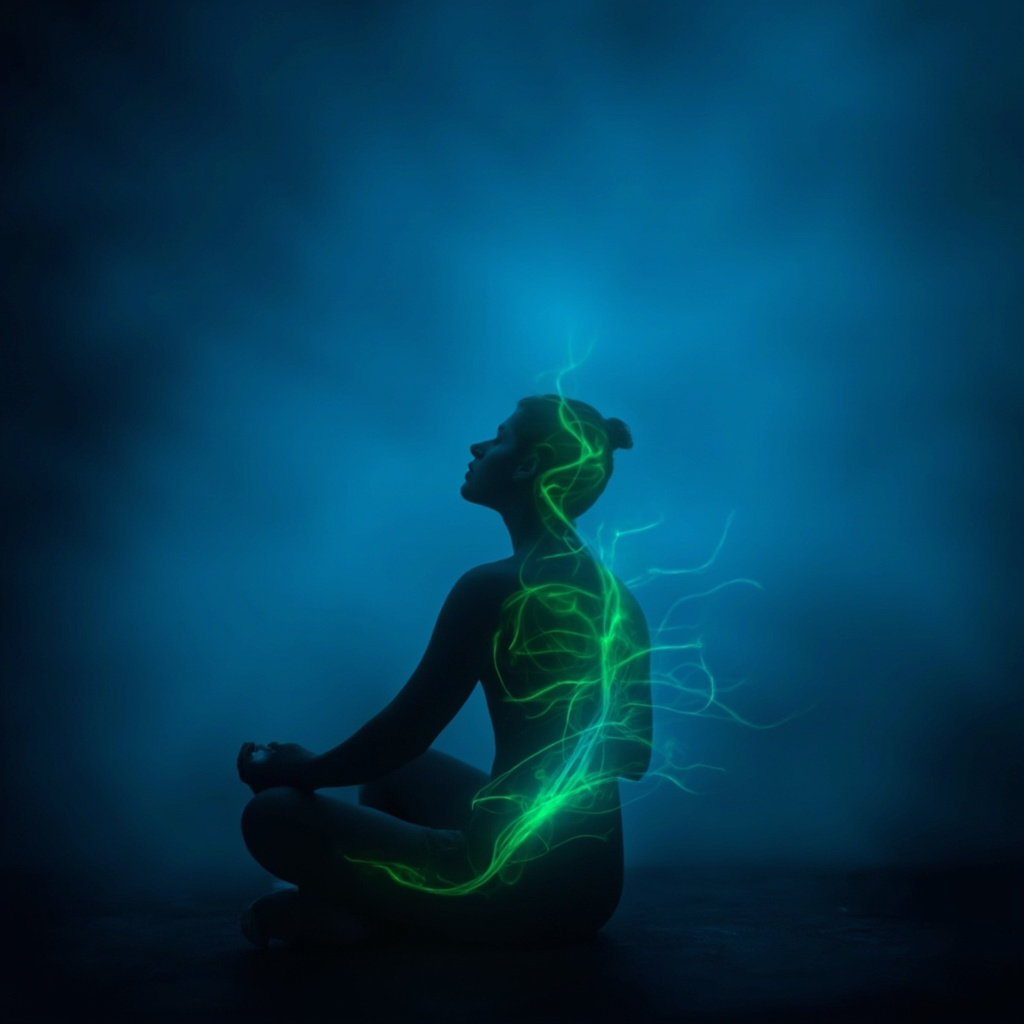
The Sympathetic Nervous System Explained
Your body has two main branches in its autonomic nervous system: one for action and one for rest. The sympathetic nervous system, known as Symp in BioCoherence (glossary), handles the action side. It is like an internal accelerator, ready to mobilize energy when you face challenges.
Imagine spotting danger: your heart beats faster, breath quickens, muscles tense, and blood flows to where it's needed most-arms, legs, brain. This fight-or-flight response kept our ancestors alive. Today, it activates for deadlines, arguments, or traffic jams.
How It Works in Daily Life
When triggered, the sympathetic system:
- Raises heart rate and blood pressure.
- Slows digestion to save energy.
- Sharpens focus by heightening alertness.
- Releases hormones like adrenaline for quick action.
Short bursts are helpful. They boost performance during a workout or speech. But constant activation-from work pressure, poor sleep, or worries-wears you down. Symptoms include fatigue, shallow breathing, tense muscles, anxiety, and poor recovery.
When It's a Valuable Resource
The sympathetic system shines as a resource. It:
- Improves circulation to vital organs under stress.
- Optimizes energy distribution for peak performance.
- Supports overall balance, or homeostasis.
- Builds resilience, helping you bounce back from challenges.
In balance, it empowers without exhausting. Biomarkers like heart rate variability (HRV) reveal its state-high variability signals good regulation, low points to sympathetic dominance.
Signs of Imbalance and Why Balance Matters
Overactive sympathetic activity shows in biomarkers as high stress indices, low HRV, or agitation. This leads to chronic tension, weakened immunity, sleep issues, and emotional strain.
Balancing it activates the parasympathetic counterpart-the rest-and-digest system-for recovery. Yoga therapy excels here, using poses, breath, and awareness tailored to your needs.
Yoga Practices to Harmonize the Sympathetic System
As a yoga coach, I design practices based on stress, energy, posture, and HRV markers. Here are accessible ways to calm sympathetic overdrive and leverage its strengths:
Restorative Poses for Calm
- Child's Pose (Balasana): Kneel, fold forward, arms extended. Rest forehead on mat. Breathe deeply for 5 minutes. This releases back tension and signals safety to your nervous system.
- Legs-Up-the-Wall (Viparita Karani): Lie on back, legs vertical against wall. Close eyes, hands on belly. 10 minutes promotes venous return, lowers heart rate.
Energizing Flows When It's a Resource
- Sun Salutations (Surya Namaskar): Gentle sequence of standing, forward bends, lunges. Builds resilience without overwhelm. Do 3-5 rounds mindfully.
Breathing Techniques (Pranayama)
- Alternate Nostril Breathing (Nadi Shodhana): Close right nostril, inhale left; close left, exhale right; repeat. Balances left-right brain, reduces sympathetic tone. 5-10 minutes daily.
- 4-7-8 Breath: Inhale 4 counts, hold 7, exhale 8. Activates parasympathetic, eases fight-or-flight.
Posture and Awareness Focus
Forward bends and twists release stored tension. Track progress with HRV-improved variability shows better autonomic balance.
What Research Says
A study on long-term yoga practitioners found they had lower resting heart rates (69 bpm vs. 81 bpm in controls) and blunted sympathetic responses to stress tests, like handgrip exercises (10 mmHg rise vs. 16 mmHg). Those practicing over a year saw even greater benefits. This suggests regular yoga diminishes unnecessary sympathetic activity, enhancing parasympathetic recovery and preventing stress-related issues.
Building Your Resilience Practice
Start with 15 minutes daily. Notice biomarkers if using tools like HRV apps-aim for steady improvement. Combine gentle flows for energy with restoratives for calm. Over time, your sympathetic system becomes a wise ally, not an alarm always ringing.
Embody balance: move with breath, stay present. Your body knows harmony-yoga guides you there. (612 words)
- 1. sciencedirect.com
- 2. yogauonline.com
- 3. x.com
- 4. pmc.ncbi.nlm.nih.gov
- 5. cnn.com
- 6. instagram.com
- 7. mdpi.com
- 8. uclahealth.org
- 9. painrelief.com
- 10. pmc.ncbi.nlm.nih.gov
- 11. bbc.com
- 12. myyogateacher.com
- 13. lifestylemedicine.stanford.edu
- 14. somatopia.com
- 15. yogatherapy.health
- 16. facebook.com
- 17. instagram.com
- 18. instagram.com
- 19. repository.arizona.edu
- 20. heart.org
- 21. x.com
- 22. yogaaustralia.org.au
- 23. avantpsychiatry.com
- 24. x.com
- 25. askvora.com
- 26. x.com
- 27. journals.physiology.org
- 28. x.com
- 29. tpcportland.com
- 30. x.com
- 31. x.com
- 32. podcasts.apple.com
- 33. pmc.ncbi.nlm.nih.gov
- 34. researchgate.net
- 35. yogainternational.com
- 36. finebalanceyoga.ca
- 37. pmc.ncbi.nlm.nih.gov
- 38. pmc.ncbi.nlm.nih.gov
- 39. infiniteharmony.co.uk
- 40. ama-assn.org
- 41. researchgate.net
- 42. x.com
- 43. x.com
- 44. instagram.com
- 45. linkedin.com
- 46. mayoclinic.org
- 47. journals.lww.com
- 48. momoyoga.com
Related posts
Glossary
- Energy and mind Structures > Focused Coherence; Focus
- Energy and mind Structures > Regulation
- Energy and mind Structures > Performance
- Energy and mind Structures > Immunity
- Body zones > hormones
- Body zones > muscles
- Body zones > parasympathetic
- Body zones > eyes
- Body zones > face
- Energy and mind Structures > Organs
- TCM Recipes > Circulation: Boost Energy and Warm Your Extremities
- TCM Recipes > Heart Health: Remedies for Anxiety and Palpitations
- TCM Recipes > Brain Boost: Clear Fog, Improve Focus & Memory
- TCM Recipes > Boost Your Energy: A TCM Recipe for Fatigue Relief
- Energy and mind Structures > sleep
- Energy and mind Structures > blood pressure
- Energy and mind Structures > Digestion
- Energy and mind Structures > Vital organs
- Energy and mind Structures > VLF; Sympathetic activity
- Energy and mind Structures > Stress
- Stimuli > Moon - Nasal Passage, Breathing, Taste
- Binaural beats > Nervous System: A Program for Emotional Balance and Relaxation
- Stimuli > Blood
see also...
- Energy and mind Structures > HRV
- Energy and mind Structures > Body zones > thoracic
- Energy and mind Structures > TCM Recipes > Tension Headache Relief: A Natural Approach to Ease Stress
- Testimonials > 61% Drop in Nausea and 58% in Headaches from Sound Therapy
- Binaural beats > Stimuli > Variolinum
- Binaural beats > Transmutation: A Sound Journey for Personal Change