


Brain: Yoga for Clarity & Protection
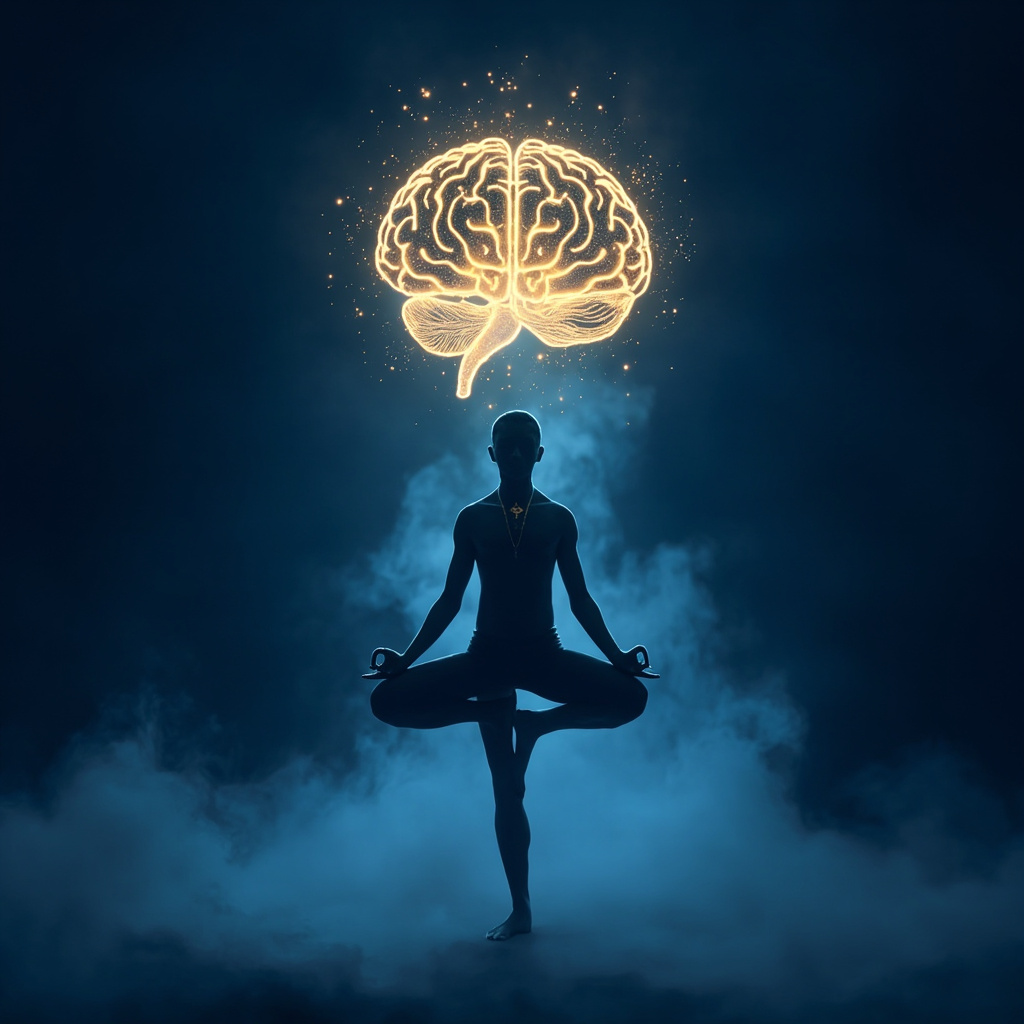
The brain, housed in the skull, serves as the central hub of the nervous system. It oversees thought, memory, emotion, touch, motor skills, vision, breathing, temperature regulation, and countless other functions. When balanced, it processes sensory input smoothly, maintains bodily harmony, and supports sharp cognition. Imbalances can show up as memory slips, movement issues, personality shifts, or challenges like stroke, epilepsy, and mental health concerns. For a deeper look, check the brain glossary.
The Brain's Everyday Role
Your brain acts like a conductor, directing signals across the body for seamless operation. It interprets what you see, hear, and feel, then responds with precise actions. Healthy brain activity ensures clear thinking, steady emotions, and efficient physical responses. As we age, natural wear can thin gray matter areas key to memory and movement, but supportive practices help maintain vitality.
Emotional Links to Brain Health
The brain connects deeply to feelings of control, decision-making, and intellectual strength. Struggles here often stem from self-doubt, loss of direction, or overwhelming situations. These emotional tensions can spark neurological discomfort, like foggy thinking or heightened anxiety. Unresolved stress might amplify into broader cognitive hurdles. Nurturing the brain emotionally builds resilience, turning potential conflicts into sources of growth.
Brain as a Supportive Ally
A strong brain aids other body parts by sending neural signals for coordination. It fine-tunes processes like heartbeat and digestion, keeping everything in sync. This oversight promotes overall efficiency, quicker recovery, and steady health. When called upon, it enhances homeostasis, helping organs work better together.
Fresh Research on Yoga and Brain Protection
Recent studies highlight yoga's role in safeguarding brain health. According to the American Heart Association, regular yoga practice increases gray matter in regions for memory, thought, and movement. Practitioners show better working memory than non-yogis. In older women, yoga preserved brain volume and boosted executive function more than other exercises. For cancer survivors, 12 weeks of yoga improved cognition beyond aerobics or stretching.
Experts note yoga's mind-body link reduces chronic stress and inflammation, key culprits in brain decline. It targets areas for attention, emotion, and mood regulation while improving sleep and mental well-being. Dr. Neha Gothe explains, "Yoga points toward potential protection for brain health as we age." Starting early builds lifelong skills, making it ideal for all ages.
Tailored Yoga for Brain Balance
Yoga restores brain harmony through gentle movement, breath, and awareness. Focus on your unique needs, like stress levels or energy flow, to customize.
Key Poses to Try
- Downward-Facing Dog: Inverts the body mildly, boosting blood flow to the brain for clarity. Hold 5 breaths, repeat 3 times.
- Child's Pose: Calms the mind, easing emotional tension. Rest forehead down, arms forward, 1-2 minutes.
- Legs-Up-the-Wall: Relaxes the nervous system, supports recovery. Lie with legs vertical against a wall, 5-10 minutes.
- Seated Forward Bend: Soothes the brain, reduces worry. Fold forward from sitting, hold 1 minute.
Breathing Exercises
- Alternate Nostril Breathing: Balances brain hemispheres for focus. Close right nostril, inhale left; switch, exhale right. 5 rounds.
- Deep Belly Breaths: Activates calm responses, steadies HRV. Inhale for 4 counts, exhale 6, 10 rounds.
Simple Sequence for Beginners
- Start in Child's Pose (2 minutes).
- Flow to Downward Dog (5 breaths).
- Move to Legs-Up-the-Wall (5 minutes).
- End in Corpse Pose: Lie flat, scan body for tension, breathe mindfully (5 minutes).
Practice 20-30 minutes daily. Notice sharper focus, steadier mood, and easier decisions over time. These align breath with movement, fostering brain-body unity.
Build Lasting Brain Resilience
Consistent yoga strengthens neural pathways, much like exercise builds muscle. It counters daily stress, enhances emotional control, and sharpens intellect. Pair with restful sleep and nourishing habits for best results. Your brain thrives when honored with care, unlocking deeper awareness and vitality.
- 1. yogauonline.com
- 2. sciencedaily.com
- 3. bbc.com
- 4. heart.org
- 5. pmc.ncbi.nlm.nih.gov
- 6. health.harvard.edu
- 7. eurekalert.org
- 8. aggietranscript.ucdavis.edu
- 9. uclahealth.org
- 10. pmc.ncbi.nlm.nih.gov
- 11. sciencedirect.com
- 12. pmc.ncbi.nlm.nih.gov
- 13. healtheducationandpublichealth.com
- 14. communities.springernature.com
- 15. pmc.ncbi.nlm.nih.gov
- 16. youtube.com
- 17. pmc.ncbi.nlm.nih.gov
- 18. facebook.com
- 19. newswire.com
- 20. linkedin.com
- 21. lonestarneurology.net
- 22. pmc.ncbi.nlm.nih.gov
- 23. lifestylemedicine.stanford.edu
- 24. cincinnati.com
- 25. goldenthreadholistics.au
- 26. livelongmedia.com
- 27. scientificamerican.com
- 28. youtube.com
- 29. audicin.com
- 30. voguearabia.com
Related posts
Glossary
- Energy and mind Structures > Focused Coherence; Focus
- Energy and mind Structures > Regulation
- Energy and mind Structures > Mental
- Energy and mind Structures > Memory
- Body zones > brain
- Energy and mind Structures > Organs
- TCM Recipes > Heart Health: Remedies for Anxiety and Palpitations
- TCM Recipes > Brain Boost: Clear Fog, Improve Focus & Memory
- Energy and mind Structures > sleep
- Energy and mind Structures > vitality
- Energy and mind Structures > movement
- Energy and mind Structures > Digestion
- Energy and mind Structures > Stress
- Stimuli > IGF1, Growth
- Stimuli > Cancer
- Stimuli > Moon - Nasal Passage, Breathing, Taste
- Stimuli > AIDS
- Binaural beats > Inflammation Relief: Heal Faster with Binaural Beats
- Binaural beats > Nervous System: A Program for Emotional Balance and Relaxation
- Stimuli > Stroke
- Stimuli > Harmony
- Stimuli > Blood
see also...
- Energy and mind Structures > HRV
- Energy and mind Structures > Body zones > brain
- Energy and mind Structures > TCM Recipes > Boost Energy: A Simple Remedy for Low Energy and Fatigue
- Testimonials > 61% Drop in Nausea and 58% in Headaches from Sound Therapy
- Binaural beats > Stimuli > Variolinum
- Binaural beats > Transmutation: A Sound Journey for Personal Change