


Parasympathetic: Yoga for Calm & Digestion
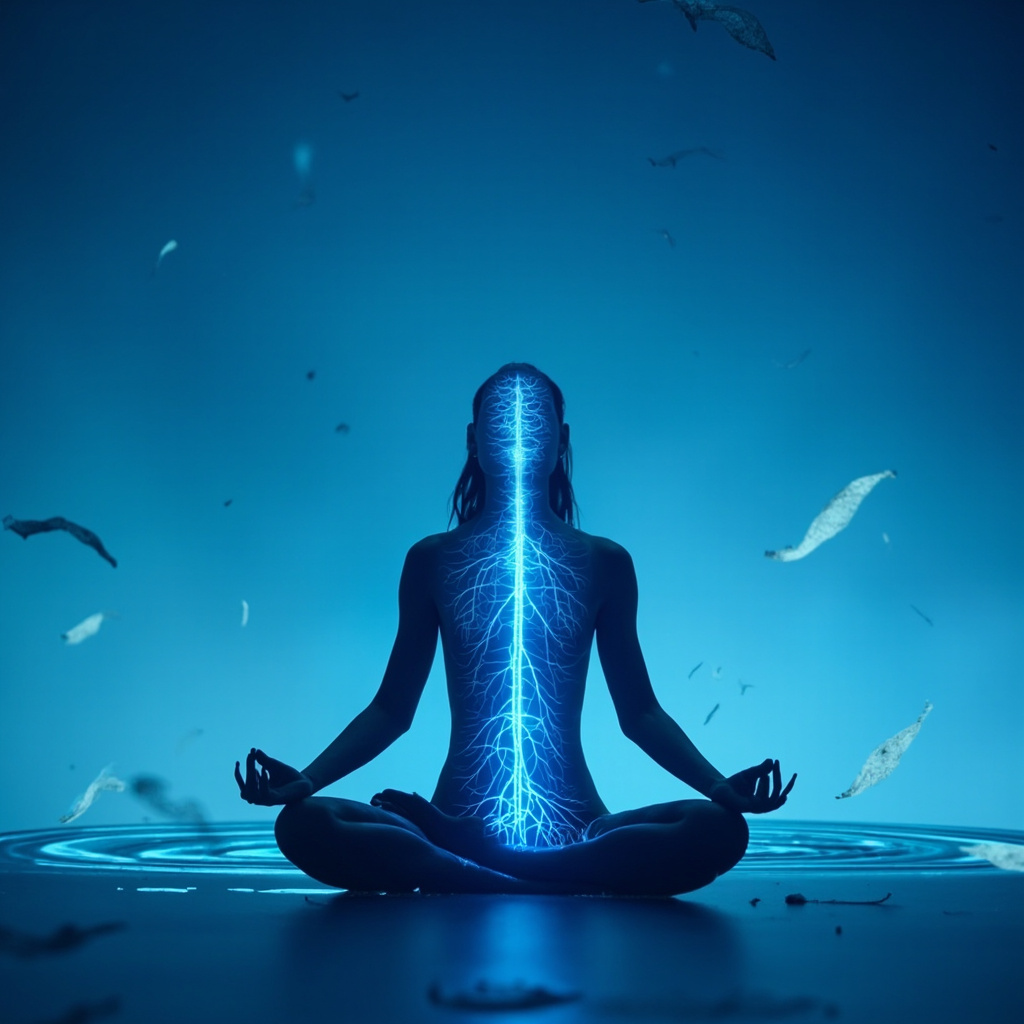
Your body has a built-in system for rest and recovery, often called the rest and digest network. This is the parasympathetic nervous system. It works quietly in the background, slowing your heart rate, helping your gut move food along, and easing muscle tension. When active, you feel safe, relaxed, and ready to recharge after a busy day.
Unlike its counterpart, the fight-or-flight response, which ramps up during stress, the parasympathetic side invites calm. It starts in areas like the brainstem and lower spine, sending signals through nerves to organs. Healthy activity means steady digestion, good gland function, and overall energy savings for healing.
Signs of Imbalance
If this system is off, you might notice sluggish digestion, like bloating or irregular bowel movements. Your heart could race at rest, or you might feel constant fatigue. Glands may not produce enough, affecting moisture in eyes or mouth. These physical clues often link to deeper feelings.
Emotional Ties to Rest and Safety
Emotionally, the parasympathetic nervous system connects to feelings of security and letting go. When overwhelmed or unsupported, stress lingers, blocking true relaxation. Unresolved tension can show as gut discomfort or tiredness, mirroring inner unrest. Healing here means addressing what keeps you on edge, allowing space for peace. Practices that nurture this system help release held emotions, fostering trust in your body's wisdom.
Yoga Poses to Nurture Parasympathetic Activity
Yoga offers gentle ways to switch on this calming network. Focus on slow movements, deep breaths, and supported holds. Here are key poses:
-
Child's Pose (Balasana): Kneel, fold forward with arms extended or by sides. Rest forehead on the mat. This soothes the nervous system, easing back tension and inviting surrender. Hold for 2-5 minutes.
-
Legs-Up-the-Wall (Viparita Karani): Lie on back, legs up a wall. Arms rest open. Perfect for draining fatigue, calming the heart, and boosting circulation to digestion. Stay 5-10 minutes.
-
Seated Forward Bend (Paschimottanasana): Sit with legs extended, fold over gently. Use a strap if needed. This calms the mind, aids gut flow, and quiets racing thoughts.
-
Corpse Pose (Savasana): Lie flat, palms up, eyes closed. Scan body for tension and release. The ultimate rest pose to fully engage parasympathetic recovery.
Practice these in a quiet space, 3-5 times weekly.
Breathing Techniques for Activation
Breath is a direct line to your nervous system. Try these:
-
Diaphragmatic Breathing: Lie down, hand on belly. Inhale to expand belly (4 counts), exhale fully (6 counts). Builds heart rate variability, a sign of strong parasympathetic tone.
-
4-7-8 Breath: Inhale 4, hold 7, exhale 8 through pursed lips. Calms instantly, great before bed.
-
Alternate Nostril Breathing (Nadi Shodhana): Close right nostril, inhale left; close left, exhale right. Repeat. Balances both sides, enhancing relaxation.
Start with 5 minutes daily. Notice how your body softens.
Building a Simple Sequence
Create a 20-minute routine:
- Start in Child's Pose (3 min).
- Move to Legs-Up-the-Wall (5 min) with diaphragmatic breath.
- Sit for Seated Forward Bend (3 min each side if varied).
- End in Savasana with 4-7-8 (5 min).
This sequence supports digestion after meals and eases evening wind-down. Over time, it strengthens resilience against stress.
When It Serves as a Resource
Tap into parasympathetic strength for priorities like organ health. It prioritizes digestion, steadies heart rhythm, and supports glands. In recovery phases, it conserves energy for healing. Pair with awareness: notice safety cues, like gentle touch or kind words, to amplify effects.
Recent studies back this up. For example, short-term yoga practice has shown shifts toward more parasympathetic activity, improving heart rate patterns in women.
Listen to your body. If stress biomarkers like low variability appear in assessments, these practices restore harmony between breath, movement, and calm. Embrace this inner ally for lasting well-being.
- 1. pubmed.ncbi.nlm.nih.gov
- 2. youtube.com
- 3. uclahealth.org
- 4. pubmed.ncbi.nlm.nih.gov
- 5. insighttimer.com
- 6. donovanhealth.com
- 7. researchgate.net
- 8. pubmed.ncbi.nlm.nih.gov
- 9. pmc.ncbi.nlm.nih.gov
- 10. youtube.com
- 11. music.youtube.com
- 12. pmc.ncbi.nlm.nih.gov
- 13. instagram.com
- 14. therecordherald.com
- 15. pmc.ncbi.nlm.nih.gov
- 16. healthcare-bulletin.co.uk
- 17. open.spotify.com
- 18. meditationmusiclibrary.com
- 19. open.spotify.com
- 20. instagram.com
- 21. elissagoodman.com
- 22. healthrising.org
- 23. pmc.ncbi.nlm.nih.gov
- 24. news.harvard.edu
- 25. insighttimer.com
- 26. health.harvard.edu
- 27. pubmed.ncbi.nlm.nih.gov
- 28. youtube.com
- 29. pubmed.ncbi.nlm.nih.gov
- 30. instagram.com
- 31. youtube.com
- 32. mantrayogameditation.org
- 33. sciencedirect.com
- 34. pubmed.ncbi.nlm.nih.gov
- 35. pubmed.ncbi.nlm.nih.gov
- 36. lifestylemedicine.stanford.edu
- 37. calmradio.com
- 38. pubmed.ncbi.nlm.nih.gov
- 39. caseintegrativehealth.com
- 40. pmc.ncbi.nlm.nih.gov
- 41. music.apple.com
- 42. insighttimer.com
- 43. yogainternational.com
- 44. pubmed.ncbi.nlm.nih.gov
- 45. nm.org
Related posts
Glossary
- Energy and mind Structures > Focused Coherence; Focus
- Energy and mind Structures > Security
- Energy and mind Structures > Peace
- Energy and mind Structures > Letting go
- Body zones > glands
- Body zones > mouth
- Body zones > nerves
- Body zones > parasympathetic
- Body zones > parasympathetic
- Body zones > eyes
- Energy and mind Structures > Organs
- TCM Recipes > Circulation: Boost Energy and Warm Your Extremities
- TCM Recipes > Heart Health: Remedies for Anxiety and Palpitations
- TCM Recipes > Muscle Relief: A Simple Guide to Alleviating Tension
- TCM Recipes > Boost Your Energy: A TCM Recipe for Fatigue Relief
- Energy and mind Structures > movement
- Energy and mind Structures > Digestion
- Energy and mind Structures > Stress
- Stimuli > Moon - Nasal Passage, Breathing, Taste
- Stimuli > AIDS
- Binaural beats > Nervous System: A Program for Emotional Balance and Relaxation
- Binaural beats > Bowel Harmony: Enhancing Digestive Health and Balance
- Stimuli > Harmony
see also...
- Energy and mind Structures > HRV
- Energy and mind Structures > Body zones > eyes
- Energy and mind Structures > TCM Recipes > Tension Headache Relief: A Natural Approach to Ease Stress
- Testimonials > 61% Drop in Nausea and 58% in Headaches from Sound Therapy
- Binaural beats > Stimuli > Sacral, Zinc Etc
- Binaural beats > Bowel Harmony: Enhancing Digestive Health and Balance