


Motor Neurons: Yoga for Mobility & Freedom
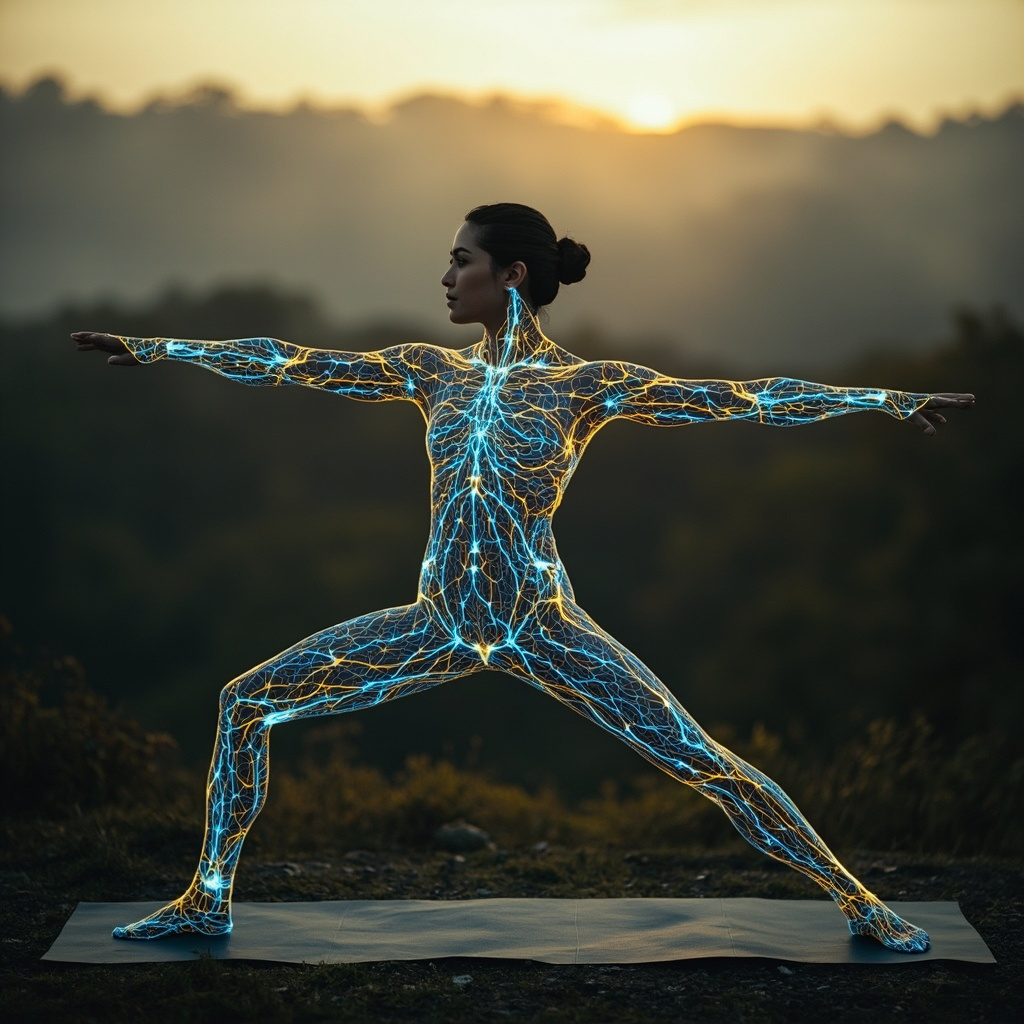
Motor Neurons: The Body's Movement Signals
Motor neurons act like messengers in your body. They carry instructions from your brain and spinal cord to your muscles, making every step, gesture, and stretch possible. Found mainly in the brain, spinal cord, and nerves throughout the body, they ensure smooth, coordinated action. For more details, see the Motor glossary.
When working well, these neurons keep you active and responsive. They help distribute energy evenly, supporting overall balance.
What Happens When Motor Neurons Struggle
Imbalances in motor neurons can lead to muscle weakness, tremors, stiffness, or even serious conditions like amyotrophic lateral sclerosis (ALS), where movement becomes limited. Everyday signs might include fatigue during activity, poor coordination, or unexplained tension.
These physical issues often connect to deeper emotions. Motor neurons relate to that sense of being stuck in a tough situation, unable to move forward or escape what feels threatening. You might notice frustration, anger, helplessness, or a fear of being trapped. These feelings can build up, affecting how freely you move through life.
Yoga's Support for Motor Neurons
Yoga offers gentle ways to nurture motor neurons, improving strength, flexibility, and control. Research shows it enhances motor function in conditions like Parkinson's disease (PD) and ALS. For instance, practices like Hatha and Iyengar yoga reduce stiffness, boost balance, and increase muscle power. They promote neuroplasticity-your brain's ability to adapt-and lower stress that harms nerve health.
Emotionally, yoga helps release trapped feelings. Poses encourage mindful movement, shifting from powerlessness to empowerment. Breathing exercises calm the nervous system, easing frustration and building resilience.
When motor neurons serve as a resource, they enable action and mobility, helping other body parts by promoting energy flow and emotional steadiness through purposeful movement.
Key Yoga Poses for Motor Support
Try these poses to activate and balance motor neurons. Start slow, 5-10 breaths each, using props like blocks or a chair for support.
- Warrior II (Virabhadrasana II): Stand with feet wide, front knee bent, arms extended. Builds leg strength and stability, fostering a sense of power and direction.
- Cat-Cow (Marjaryasana-Bitilasana): On all fours, alternate arching and rounding your spine. Improves spinal mobility and nerve signals to core muscles.
- Tree Pose (Vrksasana): Balance on one leg, foot to inner thigh, hands at heart. Enhances coordination and proprioception-your body's position sense.
- Child's Pose (Balasana): Kneel, fold forward, arms extended. Releases lower back tension and invites emotional surrender.
- Legs Up the Wall (Viparita Karani): Lie with legs vertical against a wall. Calms nerves, reduces swelling, and supports recovery.
Breathing for Nerve Flow
Practice Alternate Nostril Breathing (Nadi Shodhana): Close right nostril, inhale left; close left, exhale right. Repeat 5-10 rounds. This balances the nervous system, sharpens focus, and eases emotional blocks.
A Simple 15-Minute Sequence
- Warm up with Cat-Cow (2 minutes).
- Flow into Warrior II on each side (3 minutes).
- Hold Tree Pose (2 minutes per side).
- Rest in Child's Pose (2 minutes).
- Finish with Legs Up the Wall and Alternate Nostril Breathing (6 minutes).
Regular practice tracks progress through better ease in daily tasks and lighter emotions. If motor neurons are a priority, direct attention to them during sessions, visualizing smooth signals flowing freely.
This approach draws from studies like those on yoga for neurodegenerative support, showing real gains in movement and well-being.
- 1. doyogawithme.com
- 2. youtube.com
- 3. aggietranscript.ucdavis.edu
- 4. worldscientific.com
- 5. nextlevelneuro.com
- 6. thehealthsite.com
- 7. jcdronline.org
- 8. dystoniarecoveryprogram.com
- 9. sciencedaily.com
- 10. breathingdeeply.com
- 11. pmc.ncbi.nlm.nih.gov
- 12. lotuscrafts.com
- 13. youtube.com
- 14. cureus.com
- 15. pmc.ncbi.nlm.nih.gov
- 16. rachelishiguroyoga.com
- 17. alleviant.com
- 18. open.spotify.com
- 19. researchgate.net
- 20. pmc.ncbi.nlm.nih.gov
- 21. sciencedirect.com
- 22. pubmed.ncbi.nlm.nih.gov
- 23. youtube.com
- 24. heart.org
- 25. artofliving.org
- 26. tandfonline.com
- 27. amiyogaglobal.com
- 28. journals.lww.com
- 29. youtube.com
- 30. trial.medpath.com
- 31. cdn.technologynetworks.com
- 32. brettlarkin.com
- 33. southernlotusyoga.com
- 34. youtube.com
- 35. reddit.com
- 36. theartofsoundhealing.com
- 37. pacificneuroscienceinstitute.org
- 38. facebook.com
- 39. pmc.ncbi.nlm.nih.gov
- 40. medlink.com
- 41. ijmrhs.com
- 42. pmc.ncbi.nlm.nih.gov
- 43. researchgate.net
- 44. igniteyogadayton.com
- 45. uclahealth.org
- 46. yogatherapy.health
- 47. youtube.com
- 48. pmc.ncbi.nlm.nih.gov
- 49. pmc.ncbi.nlm.nih.gov
- 50. youtube.com
- 51. parkinsonswm.org
- 52. withpower.com
- 53. researchgate.net
- 54. yogauonline.com
- 55. healthcare-bulletin.co.uk
- 56. youtube.com
Related posts
Glossary
- Energy and mind Structures > Focused Coherence; Focus
- Body zones > muscles
- Body zones > nerves
- Body zones > motor
- TCM Recipes > Heart Health: Remedies for Anxiety and Palpitations
- TCM Recipes > Brain Boost: Clear Fog, Improve Focus & Memory
- TCM Recipes > Boost Your Energy: A TCM Recipe for Fatigue Relief
- Energy and mind Structures > movement
- Energy and mind Structures > Stress
- Stimuli > Moon - Nasal Passage, Breathing, Taste
- Binaural beats > Sclerosis: Balancing Energy for Physical Therapy Support
- Binaural beats > Spinal Cord Support: Enhance Wellness and Emotional Balance
- Binaural beats > Nervous System: A Program for Emotional Balance and Relaxation
- Stimuli > Parkinson's Disease
- Stimuli > Lead
see also...
- Energy and mind Structures > HRV
- Energy and mind Structures > Body zones > motor
- Energy and mind Structures > TCM Recipes > Tension Headache Relief: A Natural Approach to Ease Stress
- Testimonials > 61% Drop in Nausea and 58% in Headaches from Sound Therapy
- Binaural beats > Stimuli > Sacral, Zinc Etc
- Binaural beats > Transmutation: A Sound Journey for Personal Change