


Brainstem: Yoga for Vital Rhythm & Security
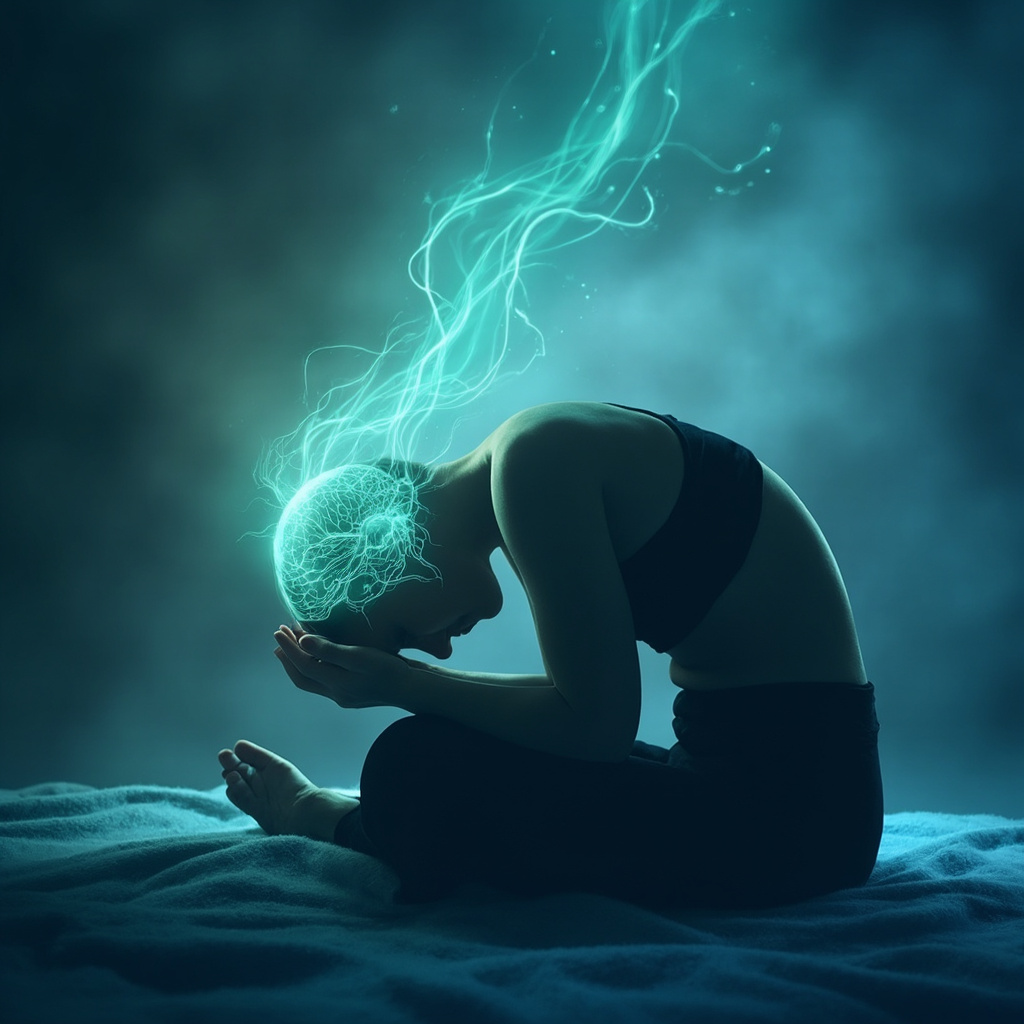
The brainstem rests at the base of your brain, acting as a vital link to the spinal cord. It oversees essential life processes like regulating your heartbeat, breathing, blood pressure, and basic reflexes such as swallowing. Without its steady work, daily functions would falter. For a deeper look, check the glossary.
Signs of Brainstem Imbalance
When harmony is disrupted, you might notice uneven breathing, dizziness, sudden fatigue, or blood pressure swings. These can stem from stress overload or tension buildup. Emotionally, the brainstem connects to our core survival instincts. Deep fears-about safety, loss, or the unknown-may surface, leaving you feeling ungrounded or on edge.
Emotional Ties to the Brainstem
This area anchors our primal sense of protection. Imbalances can amplify worries rooted in feeling unsupported or vulnerable. Everyday pressures might trigger a constant low-level alert, draining your energy. Gentle practices help quiet these signals, fostering a profound sense of security from within.
Brainstem as a Key Supporter
As a resource, the brainstem stabilizes your whole system. It provides reliable cues for heart rhythm and breath flow, enabling quick reflexes that safeguard you. During stress, it maintains physiological steadiness, aiding organs like the heart and lungs. Strengthening it enhances overall resilience.
Yoga to Harmonize the Brainstem
My approach draws on breath, gentle movement, and awareness to support brainstem function. These practices target stress reduction, better breathing efficiency, and nervous system balance-key areas shown in yoga research to boost brain health. Recent insights link meditation-like breathing to vagus nerve strength, which originates in the brainstem, promoting relaxation.
Start with Breathwork
Breath directly influences brainstem activity. Try these:
- Alternate Nostril Breathing: Sit tall. Use your thumb to close the right nostril, inhale through the left for 4 counts. Close left with ring finger, exhale right. Inhale right, exhale left. Repeat 5-10 rounds. This evens nervous system activity, easing breath regulation.
- 4-7-8 Breathing: Inhale 4 counts, hold 7, exhale 8. Calms agitation, supports blood pressure steadiness.
Supportive Poses
Focus on neck release and inversion to improve flow near the brainstem:
- Child's Pose: Kneel, big toes touch, knees wide. Fold forward, arms extended, forehead to floor. Breathe deeply 2 minutes. Releases neck tension, quiets survival fears.
- Thread the Needle: From all fours, slide right shoulder and arm under left, resting cheek down. Hold 1 minute each side. Opens upper back, aids posture for brainstem support.
- Legs Up the Wall: Lie with legs vertical against wall, hips close. Relax 5-10 minutes. Balances circulation, reduces stress signals.
- Gentle Neck Rolls: Seated, drop chin, slowly circle head 5 times each way. Eases rigidity, enhances reflex flow.
A 15-Minute Daily Flow
- 3 minutes breathwork.
- Child's pose (2 min).
- Thread the needle (2 min/side).
- Legs up wall (5 min).
- End seated, palms on eyes, breathe.
Practice consistently. Track how your energy steadies-deeper rest, fewer anxiety spikes.
Why It Works
Yoga optimizes heart rate variability (HRV), a marker of nervous system health tied to brainstem oversight. Studies confirm practitioners gain thicker brain areas for focus and calm, countering age-related dips. Breath-focused yoga activates parasympathetic rest, directly nurturing brainstem rhythms.
As your yoga coach, I tailor these based on stress patterns and energy. Feel the shift toward secure, vibrant living.
(Word count: 612)
- 1. virginianeurooptometry.com
- 2. lifestylemedicine.stanford.edu
- 3. ashishjaiman.medium.com
- 4. instagram.com
- 5. facebook.com
- 6. frontiersin.org
- 7. frontiersin.org
- 8. pmc.ncbi.nlm.nih.gov
- 9. source.colostate.edu
- 10. nature.com
- 11. health.harvard.edu
- 12. origin.health
- 13. brainline.org
- 14. facebook.com
- 15. uclahealth.org
- 16. psychologytoday.com
- 17. sciencedirect.com
- 18. pmc.ncbi.nlm.nih.gov
- 19. pmc.ncbi.nlm.nih.gov
- 20. breatheeasytherapy.com
- 21. flintrehab.com
- 22. aggietranscript.ucdavis.edu
- 23. communities.springernature.com
- 24. sciencedirect.com
- 25. pmc.ncbi.nlm.nih.gov
- 26. wires.onlinelibrary.wiley.com
- 27. journals.physiology.org
- 28. alzdiscovery.org
- 29. lonestarneurology.net
- 30. researchgate.net
- 31. yogatherapy.health
- 32. yogatherapyassociates.com
- 33. heart.org
Related posts
Glossary
- Energy and mind Structures > Focused Coherence; Focus
- Energy and mind Structures > Regulation
- Energy and mind Structures > Security
- Energy and mind Structures > Rigidity
- Energy and mind Structures > Relax
- Body zones > head
- Body zones > lungs
- Body zones > parasympathetic
- Body zones > brainstem
- Body zones > eyes
- Energy and mind Structures > Organs
- TCM Recipes > Circulation: Boost Energy and Warm Your Extremities
- TCM Recipes > Heart Health: Remedies for Anxiety and Palpitations
- TCM Recipes > Brain Boost: Clear Fog, Improve Focus & Memory
- TCM Recipes > Stress Relief: A Simple Guide to Reducing Tension
- TCM Recipes > Boost Your Energy: A TCM Recipe for Fatigue Relief
- Energy and mind Structures > blood pressure
- Energy and mind Structures > movement
- Energy and mind Structures > Stress
- Stimuli > Moon - Nasal Passage, Breathing, Taste
- Stimuli > AIDS
- Binaural beats > Spinal Cord Support: Enhance Wellness and Emotional Balance
- Binaural beats > Nervous System: A Program for Emotional Balance and Relaxation
- Stimuli > Harmony
- Stimuli > Blood
see also...
- Energy and mind Structures > HRV
- Energy and mind Structures > Body zones > eyes
- Energy and mind Structures > TCM Recipes > Tension Headache Relief: A Natural Approach to Ease Stress
- Binaural beats > Stimuli > Variolinum
- Binaural beats > Transmutation: A Sound Journey for Personal Change
- Testimonials > 61% Drop in Nausea and 58% in Headaches from Sound Therapy