


Brain: Yoga for Clarity & Harmony
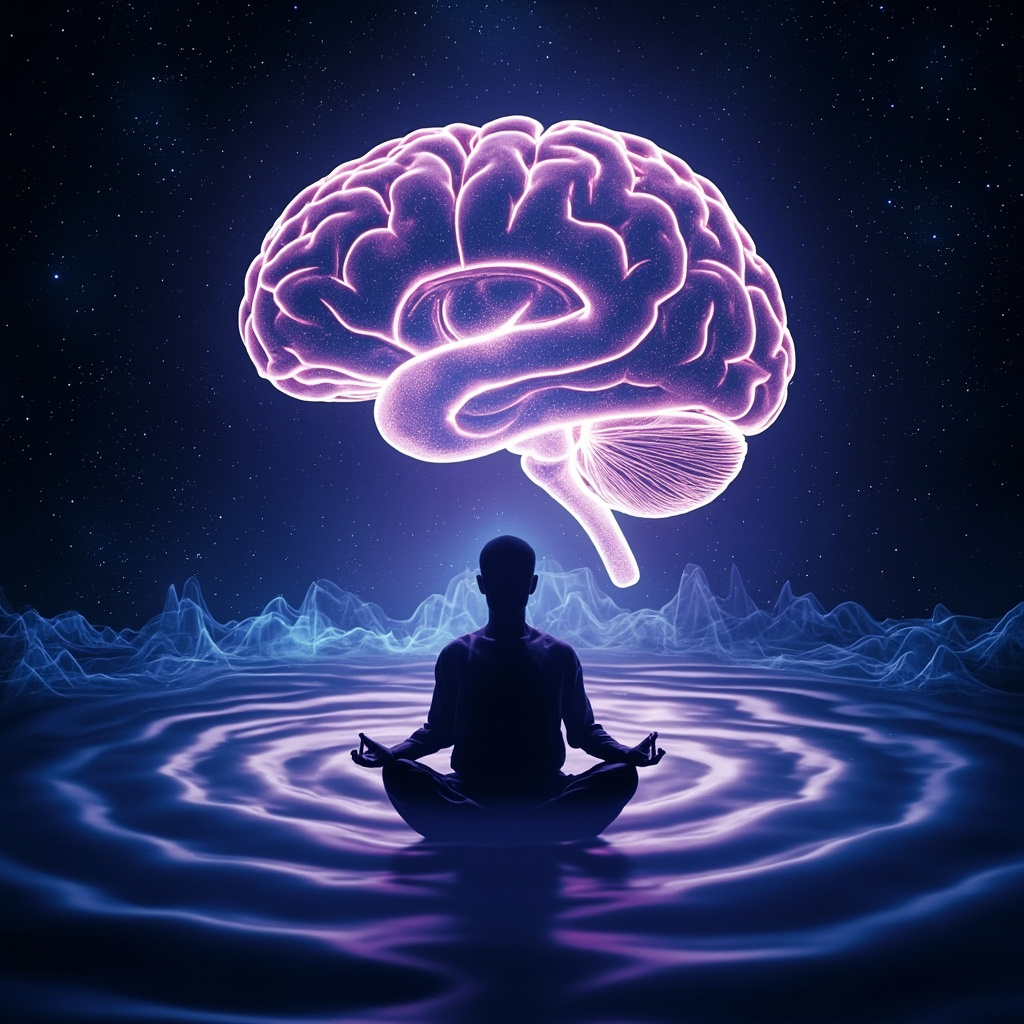
Understanding the Brain
The brain is the central hub in your skull, directing thoughts, memories, emotions, movement, senses, breathing, and body temperature. It ensures smooth operation of daily life. When out of balance, issues like foggy thinking, mood swings, or coordination problems can arise. For more details, see the brain glossary.
A healthy brain processes information clearly and responds calmly to challenges. It links body systems, keeping energy flowing evenly.
Emotional Side of the Brain
The brain handles control, intelligence, and emotions. Stress from too many responsibilities, fear of losing grip, or tough decisions can strain it. Past traumas or feelings of helplessness add pressure. Releasing these through gentle practices helps the brain regain strength.
Common signs include mental fatigue, anxiety, or scattered focus. Addressing root emotions restores natural flow.
Brain as a Helpful Resource
When strong, the brain aids other body parts by:
- Coordinating functions via nerves
- Distributing energy wisely
- Processing senses accurately
- Balancing emotions for whole-body well-being
It acts like a wise guide, promoting harmony across mind and body.
Yoga Practices to Support Brain Health
Yoga restores brain balance through poses, breath, and awareness. Focus on gentle sequences to reduce stress and enhance clarity. Practice 15-20 minutes daily.
Key Poses for Brain Harmony
- Child's Pose (Balasana): Kneel, fold forward, arms extended. Rest forehead on floor. Calms the mind, eases overwhelm. Hold 1-2 minutes, breathe deeply.
- Downward-Facing Dog (Adho Mukha Svanasana): Hands and feet on floor, hips high. Inverts gently, boosts blood flow to brain. Pedal feet for ease. 5 breaths.
- Seated Forward Bend (Paschimottanasana): Sit, legs extended, fold over. Relaxes back, quiets thoughts. Use strap if tight. 1 minute.
- Legs-Up-the-Wall (Viparita Karani): Lie with legs on wall. Soothes nerves, improves circulation. 5-10 minutes.
Breathing for Focus
Alternate nostril breathing (Nadi Shodhana): Close right nostril, inhale left. Close left, exhale right. Repeat 5 rounds. Balances brain activity, steadies emotions.
Sun Salutations (Surya Namaskar)
Flow through 4 rounds: Mountain pose to forward fold, plank, cobra, down dog, stand. Energizes yet calms, linking breath to movement.
These draw from biomarkers like stress levels and heart rhythm variability to tailor calm or energy. Start slow, notice mind shifts.
Fresh Research on Yoga and Brain Waves
A recent pilot study with 13 adults (average age 35) tested three 15-minute yoga sessions over days. Each included breathing and Sun Salutations. Results showed:
- More beta and gamma waves for attention and focus
- Higher alpha and theta waves for relaxation and inner calm
- Smoother brain state shifts, aiding flexibility and control
Changes hit visual areas, decision centers, and sensory zones. Even short practices tweak brain patterns, building on evidence of more gray matter and less age-related decline.
Experts note yoga rivals walking for brain protection, via stress reduction and better body-mind links.
Build Your Practice
Combine poses with breath for brain support. Track how focus sharpens, emotions steady. If brain feels prioritized, emphasize coordination poses. As resource, invite its guidance in meditation.
Regular yoga fosters resilience, clarity, and joy. Your brain thrives with these tools.
- 1. pmc.ncbi.nlm.nih.gov
- 2. vectorstock.com
- 3. yogajala.com
- 4. journals.lww.com
- 5. freepik.com
- 6. pmc.ncbi.nlm.nih.gov
- 7. youtube.com
- 8. shutterstock.com
- 9. pixabay.com
- 10. sciencedirect.com
- 11. medicalxpress.com
- 12. open.spotify.com
- 13. dreamstime.com
- 14. mountsinai.org
- 15. stock.adobe.com
- 16. thriva.co
- 17. freepik.com
- 18. nature.com
- 19. heart.org
- 20. sciencealert.com
- 21. youtube.com
- 22. vecteezy.com
- 23. health.harvard.edu
- 24. yogavidyamandiram.com
- 25. uclahealth.org
- 26. pmc.ncbi.nlm.nih.gov
- 27. youtube.com
- 28. freepik.com
- 29. bbc.com
- 30. sciencedirect.com
- 31. globalwellnessinstitute.org
- 32. yogatherapy.health
- 33. istockphoto.com
- 34. music.youtube.com
- 35. yogaeasy.com
- 36. aggietranscript.ucdavis.edu
- 37. mybraindr.com
- 38. pmc.ncbi.nlm.nih.gov
Related posts
Glossary
- Energy and mind Structures > Focused Coherence; Focus
- Energy and mind Structures > Mental
- Body zones > nerves
- Body zones > senses
- Body zones > brain
- TCM Recipes > Circulation: Boost Energy and Warm Your Extremities
- TCM Recipes > Heart Health: Remedies for Anxiety and Palpitations
- TCM Recipes > Brain Boost: Clear Fog, Improve Focus & Memory
- TCM Recipes > Stress Relief: A Simple Guide to Reducing Tension
- TCM Recipes > Boost Your Energy: A TCM Recipe for Fatigue Relief
- Energy and mind Structures > movement
- Energy and mind Structures > Theta; 4.31-6.97 Hz. Light sleep, meditation.
- Energy and mind Structures > Stress
- Stimuli > Moon - Nasal Passage, Breathing, Taste
- Stimuli > AIDS
- Stimuli > Harmony
- Stimuli > Blood