


Calm the Mind: Psyche's Serenity Mirror
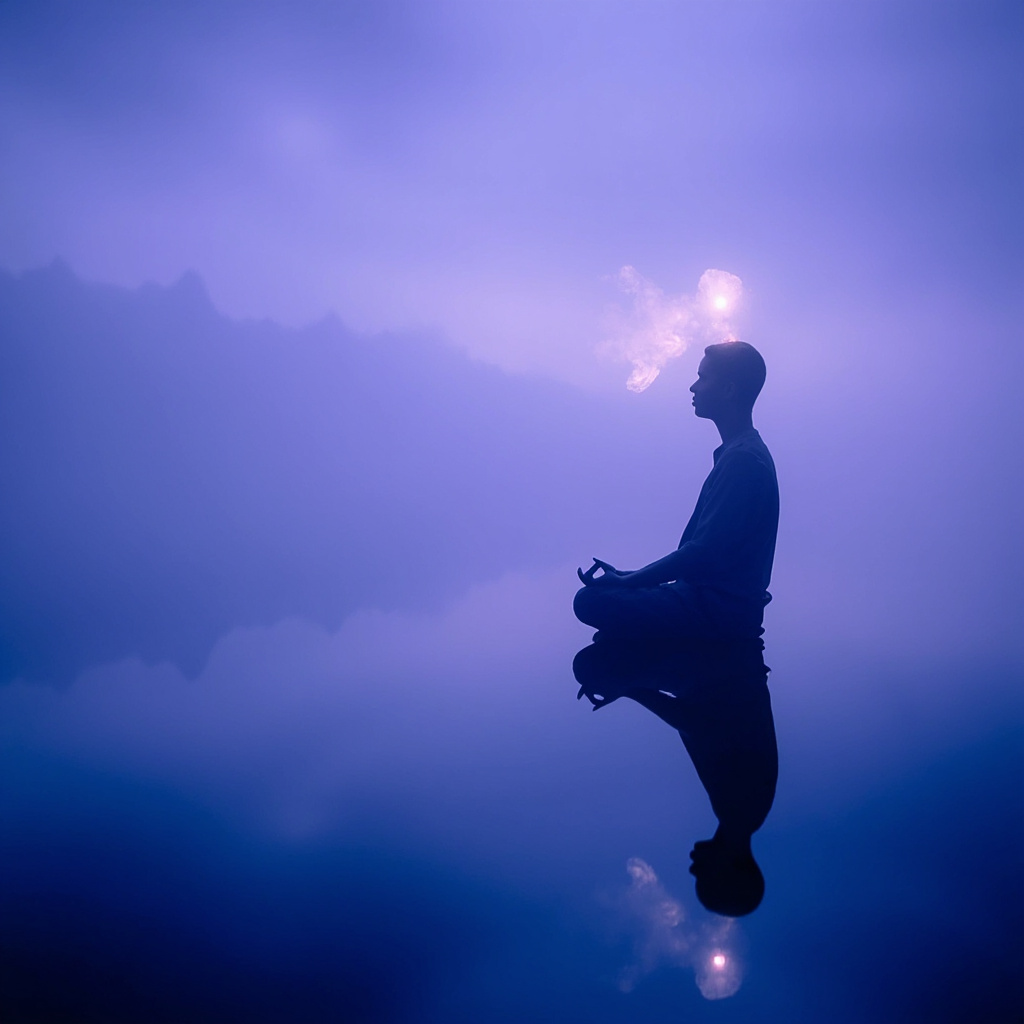
In the subtle rhythms of our body's electrical activity, the Calm the Mind structure emerges as a vital mirror to the psyche. This biomarker reflects the state of mental tranquility, capturing whether our inner world flows with serenity or churns with hidden agitation. As a Jungian psychotherapist, I see it as a gateway to understanding the dialogue between body and unconscious, where physical signals illuminate emotional depths.
Reflections of Restlessness
When Calm the Mind displays low energy or excessive agitation, it often points to everyday struggles that ripple from the psyche:
- Anxiety that tightens the chest and quickens the breath, a guard against unspoken fears.
- Insomnia, where the night stretches endlessly, denying renewal as the mind replays unresolved stories.
- Persistent stress, manifesting as tension headaches or fatigue, signaling overburdened emotional circuits.
- Emotional swings, from irritability to numbness, hinting at fragmented inner harmony.
These are not random; they are the psyche's language, urging us to pause and listen.
The Jungian Lens: Shadow and Individuation
From a Jungian perspective, Calm the Mind mirrors the tension between ego and shadow – those repressed parts of ourselves we push away. High agitation may indicate unconscious conflicts surfacing, demanding integration. For example:
- Nighttime wakefulness often correlates with vivid, ignored dreams, where the unconscious knocks for entry.
- Chronic worry reflects perfectionism, a defense against vulnerability.
Balanced Calm the Mind signifies progress toward individuation, Carl Jung's process of becoming whole. Here, the mind quiets, allowing access to creative depths, intuitive wisdom, and emotional resilience. It fosters a serene center from which life unfolds with clarity.
Body-Psyche Connections
This biomarker draws from key areas tied to spirit and protection. The heart region governs emotional essence, the pericardium shields the spirit, and neck-base points dispel mental winds like doubt or overthinking. Together, they form a triad for soothing the shen – the mind's luminous vitality in Eastern traditions.
Imbalances here link to broader patterns:
- Low vitality, as unrest drains life force.
- Disrupted sleep cycles, blocking dream work essential for psyche renewal.
- Gut-brain echoes, where mind turmoil stirs digestive unease.
Tracking these through biomarkers reveals patterns invisible to the eye alone, guiding targeted inner work.
Steps Toward Serenity
Restoring Calm the Mind invites gentle practices rooted in mind-body dialogue:
- Dream Journaling: Record nightly visions to uncover symbolic messages, bridging conscious and unconscious.
- Active Imagination: Sit quietly, invite agitated thoughts to speak, visualizing calm enveloping them like a soothing wave.
- Breath Awareness: Slow, deep breaths activate the body's natural calm response, mirroring parasympathetic ease.
- Nature Immersion: Walks in green spaces ground the psyche, dissolving urban-induced frenzy.
- Shadow Dialogue: Name a recurring fear, journal its story, and seek its gift for growth.
In BioCoherence, Calm the Mind guides personalized journeys, using resonant frequencies to harmonize these energies, much like ancient points such as Shenmen (spirit gate) that studies show calm nerves and ease insomnia.
Embracing the Mirror
Ultimately, Calm the Mind is an invitation to transformation. By heeding its reflections, we move from fragmentation to wholeness, turning psyche's unrest into profound peace. This biomarker not only tracks progress but celebrates the soul's quiet triumphs, fostering a life of depth and renewal.
- 1. orientalmedcare.com
- 2. rebalancetcm.com
- 3. medicine.yale.edu
- 4. mdpi.com
- 5. quantumclinic.com
- 6. facebook.com
- 7. instagram.com
- 8. pmc.ncbi.nlm.nih.gov
- 9. acuproacademy.com
- 10. taichi-wellness.com
- 11. facebook.com
- 12. sites.utexas.edu
- 13. purewow.com
- 14. psychologytoday.com
- 15. bedaleosteopaths.co.uk
- 16. instagram.com
- 17. instagram.com
- 18. acubody.net
- 19. facebook.com
- 20. uclahealth.org
- 21. vogue.com
- 22. pmc.ncbi.nlm.nih.gov
- 23. pmc.ncbi.nlm.nih.gov
- 24. facebook.com
- 25. revolutionhealth.org
- 26. facebook.com
- 27. lakeforest.edu
- 28. dptaa.com
- 29. medium.com
- 30. youtube.com
- 31. daviddiacupuncture.com
- 32. psychiatrist.com
- 33. pmc.ncbi.nlm.nih.gov
- 34. facebook.com
- 35. youtube.com
- 36. facebook.com
- 37. altimed.net
- 38. bluelotus-wellness.com
- 39. enticare.com
Related posts
Glossary
- Energy and mind Structures > Structure
- Energy and mind Structures > Mental
- Energy and mind Structures > Peace
- Body zones > nerves
- Body zones > parasympathetic
- Body zones > pericardium
- Body zones > chest
- TCM Recipes > Calm the Mind: A Remedy for Anxiety and Insomnia
- TCM Recipes > Digestive Relief: A Simple Guide to Ease Bloating & Indigestion
- TCM Recipes > Heart Health: Remedies for Anxiety and Palpitations
- TCM Recipes > Boost Your Energy: A TCM Recipe for Fatigue Relief
- Energy and mind Structures > sleep
- Energy and mind Structures > vitality
- Stimuli > IGF1, Growth
- Stimuli > Harmony
see also...
- Energy and mind Structures > HRV
- Energy and mind Structures > Body zones > substantia nigra
- Energy and mind Structures > TCM Recipes > Tension Headache Relief: A Natural Approach to Ease Stress
- Testimonials > 61% Drop in Nausea and 58% in Headaches from Sound Therapy
- Binaural beats > Stimuli > Sacral, Zinc Etc