


Adrenaline: Psyche's Surge Mirror
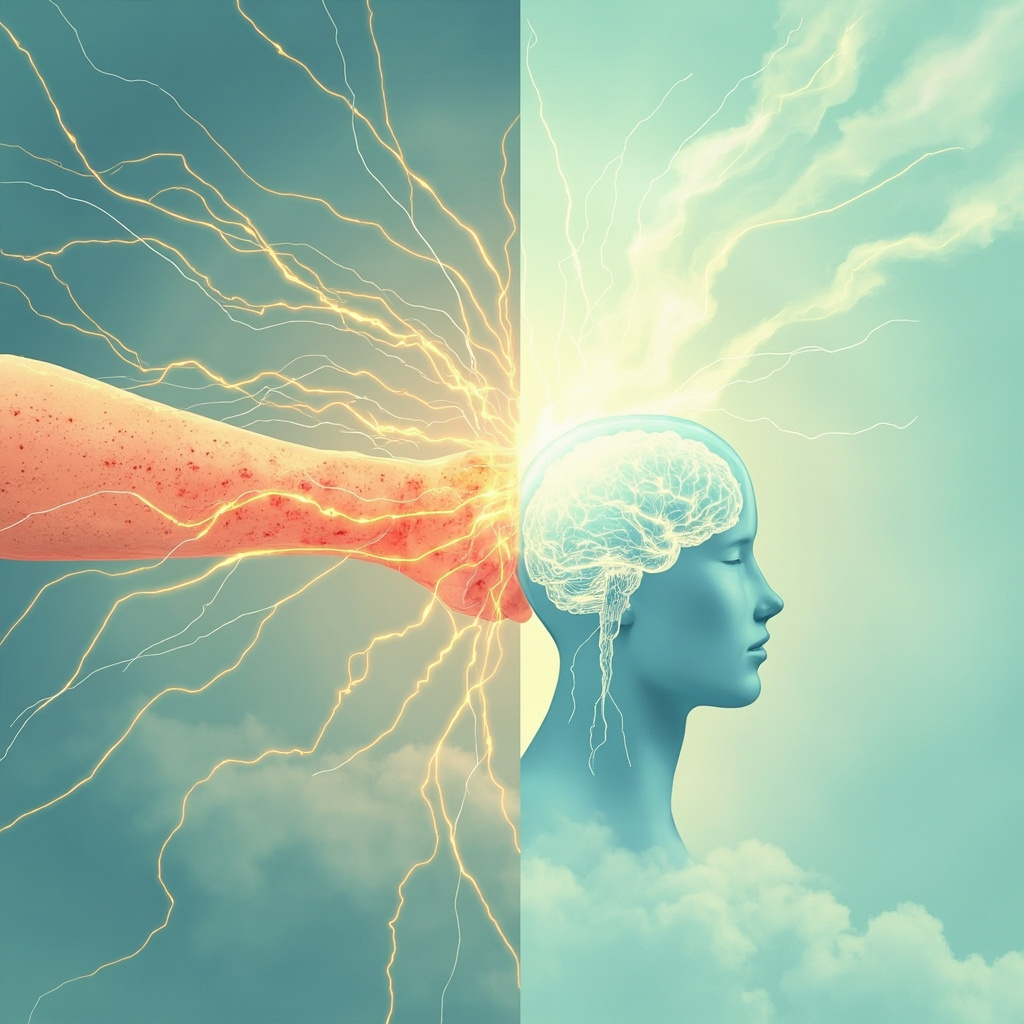
Adrenaline, often called epinephrine, is the hormone that kicks our survival instincts into high gear. Produced in the adrenal glands – small hats sitting atop the kidneys – it floods the body during moments of perceived danger. Heart races, breaths quicken, muscles tense. This ancient response once helped our ancestors flee predators or stand their ground.
In modern life, though, triggers abound: deadlines, arguments, uncertainties. Understanding adrenaline opens a window to both physical health and the deeper currents of the psyche.
How Adrenaline Works in the Body
When released, adrenaline orchestrates rapid changes:
- Boosts heart rate and blood pressure to pump oxygen-rich blood faster.
- Dilates airways in the lungs for deeper, quicker breaths.
- Redirects blood from digestion to muscles, priming for action.
- Sharpens senses by heightening alertness and reducing pain perception.
These shifts provide a burst of energy, perfect for short-term crises. But constant surges wear on the system, leading to exhaustion.
Signs of Adrenaline Imbalance
Too much adrenaline over time mimics chronic stress:
- Persistent anxiety or restlessness.
- High blood pressure and headaches.
- Sleep disturbances and muscle tension.
Too little signals adrenal fatigue:
- Ongoing tiredness despite rest.
- Weakness, dizziness, or low mood.
- Difficulty handling even mild stress.
These states often stem from lifestyle, diet, or unresolved inner conflicts.
Adrenaline as a Mirror of the Psyche
From a Jungian perspective, adrenaline is more than chemistry – it's a mirror of the unconscious. Sudden surges echo fears, threats, or shadow aspects – those repressed parts of ourselves we avoid. A racing heart might signal not just external pressure, but an inner battle with vulnerability or control.
Emotional patterns play a key role. Chronic worry, unresolved trauma, or suppressed anger can keep the adrenal glands on alert. The body holds these tensions, manifesting as hormonal spikes. Dreams often reveal this: vivid chase scenes or battles symbolize the psyche's call to confront what lurks beneath.
In psychotherapy, tracking adrenaline through body signals uncovers these links. High agitation points to fight-or-flight in the soul – a urge to resist or escape growth.
Adrenaline as a Valuable Resource
Balanced adrenaline is a gift. It fuels:
- Quick thinking in challenges.
- Physical vitality for daily demands.
- Heightened focus during creative flows.
As a resource, it empowers action toward goals, supporting organs under strain and aiding recovery.
Pathways to Balance
Restoring harmony involves body and mind:
- Deep breathing activates calm nerves, dialing down surges.
- Mindful movement like walking releases built-up energy without overwhelm.
- Journaling dreams connects physical sensations to emotional roots.
Recent research shows long-term meditators have lower adrenaline levels, shifting from constant alert to restful awareness. This supports vagus nerve health, eases inflammation, and builds resilience.
Shadow work deepens this: visualize the surge as an ally, asking what fear it guards. Active imagination – Jung's tool – transforms threat into insight.
Individuation, the journey to wholeness, thrives when adrenaline serves rather than rules. Biomarkers offer objective glimpses, guiding therapy toward integration.
By honoring this hormone's wisdom, we move from reactive survival to empowered living. Listen to your surges – they whisper of untended depths ready for healing.
- 1. myneurobalance.com
- 2. wildflowerllc.com
- 3. sciencedaily.com
- 4. pubmed.ncbi.nlm.nih.gov
- 5. researchgate.net
- 6. webmd.com
- 7. pmc.ncbi.nlm.nih.gov
- 8. pmc.ncbi.nlm.nih.gov
- 9. sciencedirect.com
- 10. sciencedaily.com
- 11. placeofmind.com
- 12. pmc.ncbi.nlm.nih.gov
- 13. mental.jmir.org
- 14. reachlink.com
- 15. facebook.com
- 16. neurodivergentinsights.com
- 17. youtube.com
- 18. thetimes.com
- 19. pubmed.ncbi.nlm.nih.gov
- 20. anoasisofhealing.com
- 21. instagram.com
- 22. newscientist.com
- 23. psychologytoday.com
- 24. facebook.com
- 25. frontiersin.org
- 26. news.harvard.edu
- 27. medium.com
- 28. pubmed.ncbi.nlm.nih.gov
- 29. nature.com
- 30. thesun.co.uk
- 31. nature.com
- 32. health.harvard.edu
- 33. sciencedaily.com
- 34. sciencedirect.com
- 35. pmc.ncbi.nlm.nih.gov
- 36. pubmed.ncbi.nlm.nih.gov
- 37. facebook.com
- 38. medicalxpress.com
- 39. greenstonecounseling.com
- 40. cogneurosociety.org
- 41. psychologytools.com
- 42. jkms.org
- 43. pubmed.ncbi.nlm.nih.gov
- 44. pubmed.ncbi.nlm.nih.gov
- 45. pubmed.ncbi.nlm.nih.gov
- 46. threads.com
- 47. sciencedaily.com
- 48. facebook.com
Related posts
Glossary
- Energy and mind Structures > Focused Coherence; Focus
- Energy and mind Structures > Exhaustion
- Body zones > glands
- Body zones > hormonal
- Body zones > adrenaline
- Body zones > kidneys
- Body zones > lungs
- Body zones > muscles
- Body zones > nerves
- Energy and mind Structures > Organs
- TCM Recipes > Stress Relief for High Blood Pressure: A TCM Approach
- TCM Recipes > Heart Health: Remedies for Anxiety and Palpitations
- TCM Recipes > Adrenal Support: Remedies for Fatigue and Stress
- TCM Recipes > Muscle Relief: A Simple Guide to Alleviating Tension
- TCM Recipes > Boost Your Energy: A TCM Recipe for Fatigue Relief
- Energy and mind Structures > sleep
- Energy and mind Structures > vitality
- Energy and mind Structures > blood pressure
- Energy and mind Structures > Head, perception
- Energy and mind Structures > Digestion
- Energy and mind Structures > Stress
- Stimuli > IGF1, Growth
- Stimuli > Pain
- Binaural beats > Inflammation Relief: Heal Faster with Binaural Beats
- Binaural beats > Trauma Healing: Binaural Beats for Emotional Balance
- Stimuli > Harmony
- Stimuli > Blood
see also...
- Energy and mind Structures > HRV
- Energy and mind Structures > Body zones > plasma
- Energy and mind Structures > TCM Recipes > Tension Headache Relief: A Natural Approach to Ease Stress
- Testimonials > 61% Drop in Nausea and 58% in Headaches from Sound Therapy
- Binaural beats > Stimuli > Variolinum
- Binaural beats > Trauma Healing: Binaural Beats for Emotional Balance