


Post-Traumatic Stress: Signals to Serenity
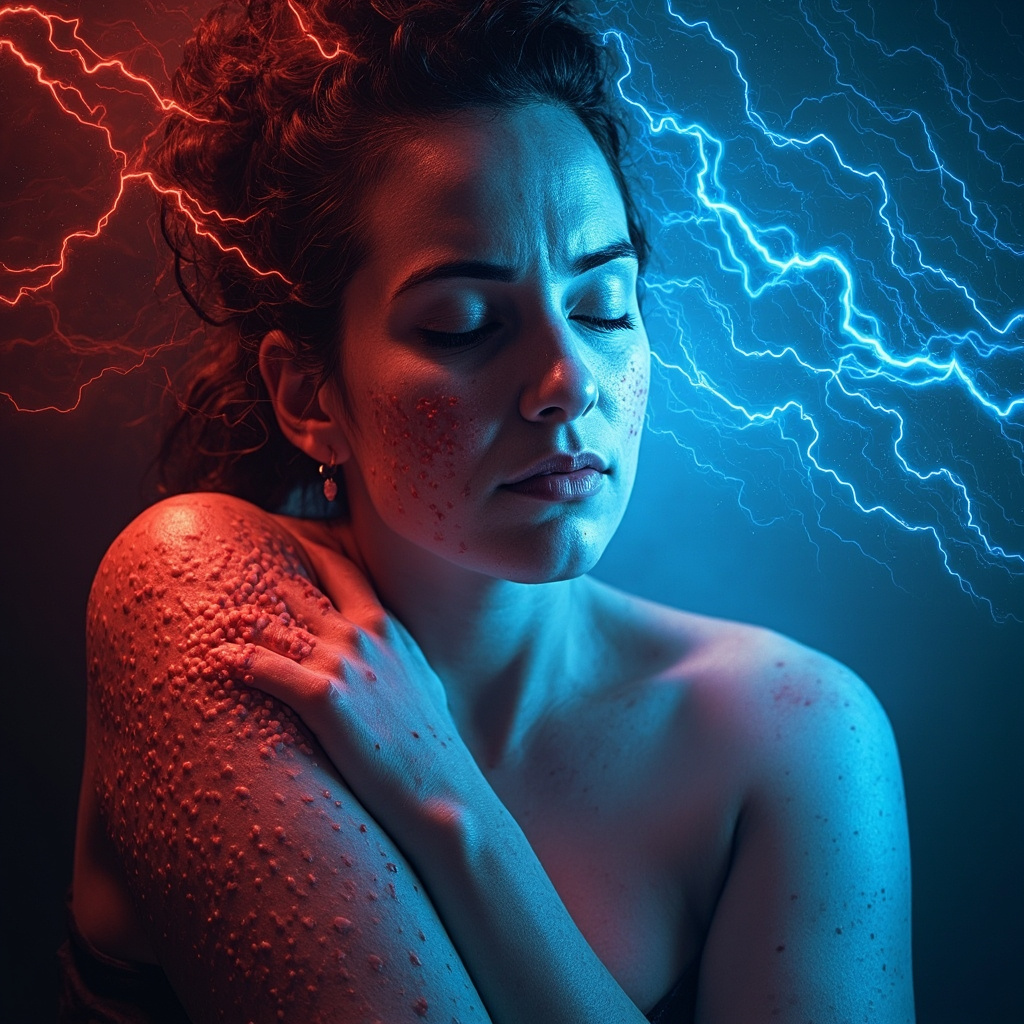
Post-traumatic stress often hides in plain sight, disrupting sleep, focus, and joy long after a tough event. Flashbacks, heightened anxiety, and restless nights signal the body's struggle to return to balance. As a psychologist focused on emotional health, I see how these patterns connect mind and body. Recent studies highlight measurable ways to address them, offering real hope.
Common Signs of Post-Traumatic Stress
Many people experience these after trauma:
- Flashbacks or vivid memories that feel real
- Sudden anxiety or panic without clear cause
- Nightmares that leave you exhausted
- Avoidance of places or people tied to the event
- Irritability, anger outbursts, or emotional numbness
These reactions stem from the brain's alarm system staying on high alert. The body mirrors this with tense muscles, rapid heart rate, and poor sleep.
Body Signals: The Post-Traumatic Stress Biomarker
Our electrical activity, captured through simple sensor recordings, reveals key insights. The Post-Traumatic Stress biomarker highlights energy levels, agitation, and emotional links in areas like the heart and mind. Low variation in heartbeat timing, known as heart rate variability (HRV), often appears. HRV measures tiny pauses between beats – healthy when flexible, rigid under chronic stress.
In trauma, this biomarker shows overactive fight-or-flight responses. High agitation disrupts calm, while low energy drains resilience. Traditional views, like calming points on the heart meridian (Shenmen for spirit gate) or inner forearm (Neiguan for emotional control), align with this. These spots soothe the mind, reduce anxiety, and ease nightmares when targeted.
Science Supports Recovery: HRV Biofeedback Breakthrough
A 2025 study from Murdoch University tested HRV biofeedback on 73 adults with PTSD and ongoing pain. Over six weeks, participants used a chest sensor and app to practice slow breathing synced to their heart rhythm. Results were striking:
- PTSD symptoms dropped 24%
- Pain interference fell nearly 25%
- Controls saw no change
This technique calms the nervous system by building autonomic flexibility. Breathing at the right pace strengthens brain-body links, much like gentle meditation. It's low-cost, home-based, and pairs well with therapy. For those resistant to talk-based treatments, it provides a physiological path forward.
Traditional Wisdom Meets Modern Tools
Ancient practices target similar pathways. Points like Shenmen calm racing thoughts, while Neiguan regulates emotions and Xinshu nurtures heart balance. Baihui uplifts overall energy. These reduce hypervigilance without drugs. Caution: Skip heart points if skin issues are severe; check scalp sensitivity for head points.
In practice, focus on flashbacks by inviting calm to the heart center. Guide attention to inner peace during reflection. Such approaches restore steady moods and deeper rest.
Practical Steps for Emotional Resilience
Start small to rebuild balance:
- Track HRV daily: Use apps or wearables to monitor heartbeat flexibility. Aim for breathing at 5-6 breaths per minute.
- Practice paced breathing: Inhale for 4 counts, exhale for 6. Feel the shift from tension to ease.
- Mindful grounding: Name five things you see, four you touch – anchors you in now.
- Journal patterns: Note triggers and body sensations to spot biomarker shifts.
- Seek support: Combine with therapy for lasting change.
Measuring Your Progress
Over time, biomarkers like HRV improve with consistency. Higher variability means better stress handling and emotional steadiness. Trends show therapy works objectively – less agitation, more vitality.
Healing post-traumatic stress is possible. Your body signals the way, and simple practices light the path. Embrace these for a calmer, stronger you.
- 1. eurekalert.org
- 2. app.southbaylo.net
- 3. nature.com
- 4. medscape.com
- 5. rand.org
- 6. pubmed.ncbi.nlm.nih.gov
- 7. ctv.veeva.com
- 8. onlinelibrary.wiley.com
- 9. research.va.gov
- 10. frontiersin.org
- 11. journals.sagepub.com
- 12. pubmed.ncbi.nlm.nih.gov
- 13. vnsociety.org
- 14. clinicaltrials.gov
- 15. sciencedirect.com
- 16. pmc.ncbi.nlm.nih.gov
- 17. sciencedirect.com
- 18. sciencedirect.com
- 19. clinicaltrials.gov
- 20. va.gov
- 21. centerforbrainhealth.org
- 22. liebertpub.com
- 23. research.nypapaacupuncture.com
- 24. facebook.com
- 25. news.utdallas.edu
- 26. pubmed.ncbi.nlm.nih.gov
- 27. pmc.ncbi.nlm.nih.gov
- 28. pmc.ncbi.nlm.nih.gov
- 29. facebook.com
- 30. neuromodulationjournal.org
- 31. iptrauma.org
- 32. optimistdaily.com
- 33. researchgate.net
- 34. health.mil
- 35. pmc.ncbi.nlm.nih.gov
- 36. centerwatch.com
- 37. school.wakehealth.edu
- 38. mdpi.com
- 39. bbrfoundation.org
Related posts
Glossary
- Energy and mind Structures > Focused Coherence; Focus
- Energy and mind Structures > Peace
- Body zones > head
- Body zones > muscles
- Body zones > chest
- TCM Recipes > Healing PTSD: Relief from Flashbacks, Anxiety, Nightmares
- TCM Recipes > Skin Health: Remedies for Acne and Eczema
- TCM Recipes > Heart Health: Remedies for Anxiety and Palpitations
- Energy and mind Structures > sleep
- Energy and mind Structures > vitality
- Energy and mind Structures > Theta; 4.31-6.97 Hz. Light sleep, meditation.
- Energy and mind Structures > Stress
- Stimuli > Moon - Nasal Passage, Breathing, Taste
- Stimuli > Pain
- Binaural beats > Trauma Healing: Binaural Beats for Emotional Balance
- Binaural beats > Nervous System: A Program for Emotional Balance and Relaxation
see also...
- Energy and mind Structures > HRV
- Energy and mind Structures > Body zones > substantia nigra
- Energy and mind Structures > TCM Recipes > Tension Headache Relief: A Natural Approach to Ease Stress
- Testimonials > 61% Drop in Nausea and 58% in Headaches from Sound Therapy
- Binaural beats > Stimuli > Chakra 2 Solar Plexus
- Binaural beats > Transmutation: A Sound Journey for Personal Change