


Seasonal Depression: Body's Winter Signals
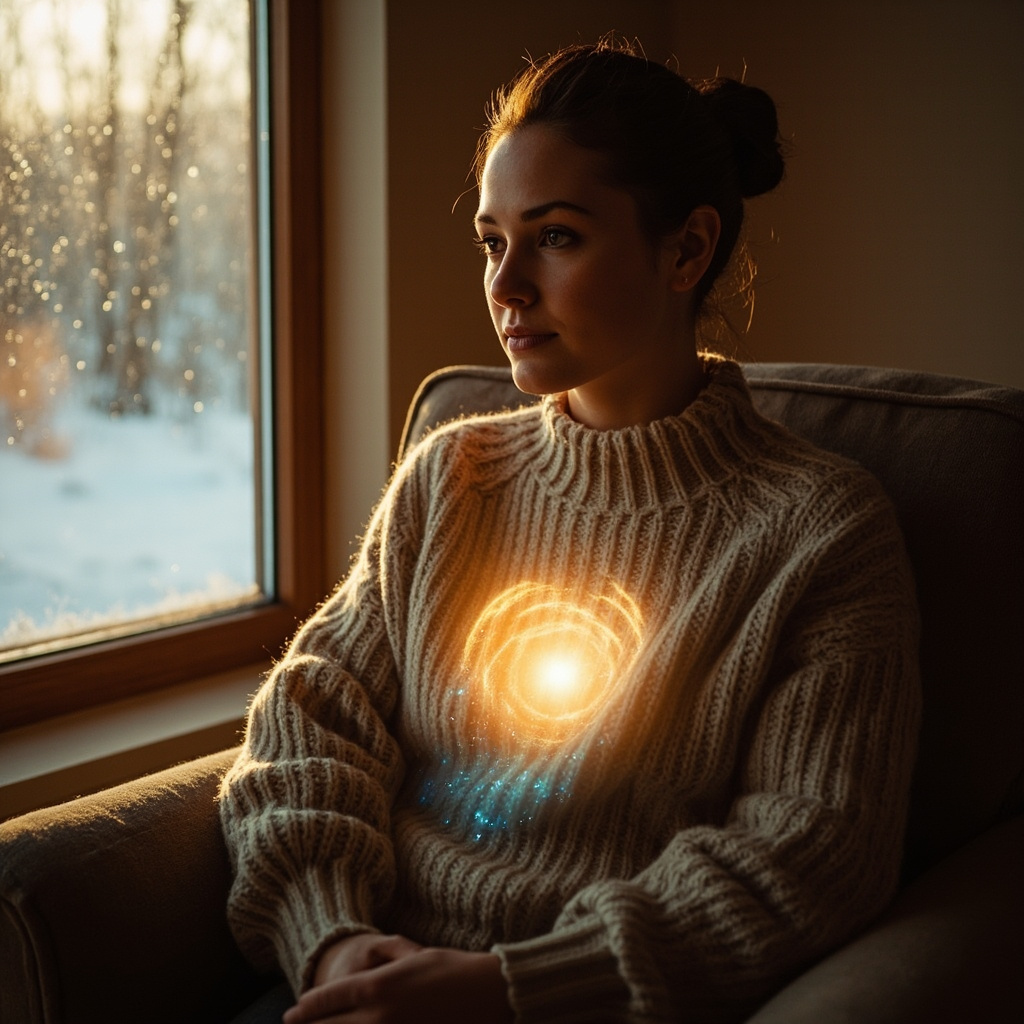
What is Seasonal Depression?
Seasonal depression, often called the winter blues, hits when days grow shorter and light fades. It brings persistent low mood, lack of energy, and trouble sleeping. This condition affects millions, making daily tasks feel heavy. Unlike everyday sadness, it follows a clear seasonal pattern, easing in spring.
People notice changes in fall: craving more sleep, withdrawing from friends, or losing interest in hobbies. Food cravings for carbs increase, leading to weight gain. These signs signal your body's struggle with less natural light.
How Your Body Reveals It
Your heart and nervous system send clues through electrical activity. A simple recording picks up thousands of data points, like heart rate variability (HRV). HRV measures beat-to-beat changes, showing stress resilience.
In seasonal depression:
- Low energy appears as sluggish rhythms.
- High agitation shows in uneven patterns.
- Emotional imbalance links to poor HRV, tying mood to physical stress.
These biomarkers highlight seasonal depression as more than mind alone-it's body-wide.
Emotional Ties to Winter Lows
As a psychologist, I see emotions intertwined with physiology. Winter disrupts circadian rhythms, the inner clock guiding sleep and mood. Less light lowers serotonin, a feel-good chemical, while melatonin rises too soon, causing lethargy.
Stress builds: anxiety from dark evenings, irritability from fatigue. HRV drops, signaling weak emotional regulation. Clients describe feeling trapped, motivation gone.
Research links low HRV to depression states. In seasonal cases, it predicts vulnerability, helping spot risks early.
Recent Insights on Light's Power
New studies confirm bright light therapy rivals medications. Morning exposure to 10,000 lux light resets your clock, boosting mood within a week. Start early fall for prevention.
Used 30 minutes daily, positioned at eye level, it eases symptoms without side effects. Combine with walks in natural light for better results.
Traditional Wisdom Meets Modern Views
Ancient practices target key points for calm:
- Shenmen (HT7): Calms the mind, eases worry.
- Neiguan (PC6): Balances emotions, soothes nausea.
- Baihui (GV20): Lifts energy, clears fog.
- Sanyinjiao (SP6): Nourishes calm, supports rest.
These inspire gentle balancing, using resonance to harmonize body signals.
Steps Toward Balance
Track your patterns:
- Note mood shifts with seasons.
- Check HRV via apps or sensors.
- Morning light: 20-30 minutes.
- Mindfulness: Breathe deeply, focus on gratitude.
- Move: Gentle walks build resilience.
Guided journeys direct attention to inner calm, using words like "invite serene energy" for priorities.
Building Resilience Year-Round
Monitor progress: Rising HRV shows gains in emotional strength. Therapy like CBT pairs well, addressing thoughts fueling lows.
Winter need not dim your light. By reading body signals, you reclaim vitality. Small, consistent steps foster lasting well-being.
(Word count: 612)
- 1. youtube.com
- 2. music.youtube.com
- 3. music.youtube.com
- 4. link.springer.com
- 5. psychiatry.org
- 6. cochranelibrary.com
- 7. researchgate.net
- 8. nature.com
- 9. nytimes.com
- 10. mynoise.net
- 11. sciencedirect.com
- 12. rand.org
- 13. facebook.com
- 14. insighttimer.com
- 15. arxiv.org
- 16. nbcnews.com
- 17. butler.org
- 18. romj.org
- 19. pmc.ncbi.nlm.nih.gov
- 20. pmc.ncbi.nlm.nih.gov
- 21. insighttimer.com
- 22. pmc.ncbi.nlm.nih.gov
- 23. medscape.com
- 24. pmc.ncbi.nlm.nih.gov
- 25. theguardian.com
- 26. onlinelibrary.wiley.com
- 27. sciencedirect.com
- 28. nm.org
- 29. mountainscholar.org
- 30. link.springer.com
- 31. frontiersin.org
- 32. pubmed.ncbi.nlm.nih.gov
- 33. springermedicine.com
- 34. instagram.com
- 35. holisticacupuncture.net
- 36. open.spotify.com
- 37. npr.org
- 38. ijpsonline.com
- 39. facebook.com
- 40. researchgate.net
- 41. ted.com
- 42. podcasts.apple.com
- 43. frontiersin.org
- 44. meditationmusiclibrary.com
- 45. youtube.com
- 46. pmc.ncbi.nlm.nih.gov
- 47. tghealthwellness.com
Related posts
Glossary
- Energy and mind Structures > Focused Coherence; Focus
- Energy and mind Structures > Regulation
- Energy and mind Structures > Sadness
- Energy and mind Structures > Clock
- TCM Recipes > Winter Blues: A Natural Remedy for Low Mood
- TCM Recipes > Heart Health: Remedies for Anxiety and Palpitations
- TCM Recipes > Herbal Relief: A TCM Approach to Lift Your Mood
- TCM Recipes > Boost Your Energy: A TCM Recipe for Fatigue Relief
- Energy and mind Structures > sleep
- Energy and mind Structures > vitality
- Energy and mind Structures > Stress
- Stimuli > Serotonin
- Binaural beats > Nervous System: A Program for Emotional Balance and Relaxation
- Stimuli > Melatonin
see also...
- Energy and mind Structures > HRV
- Energy and mind Structures > TCM Recipes > Tension Headache Relief: A Natural Approach to Ease Stress
- Testimonials > 61% Drop in Nausea and 58% in Headaches from Sound Therapy
- Binaural beats > Stimuli > Melatonin
- Binaural beats > Transmutation: A Sound Journey for Personal Change