


Psychogenic Heart Disorder: Stress's Hidden Grip
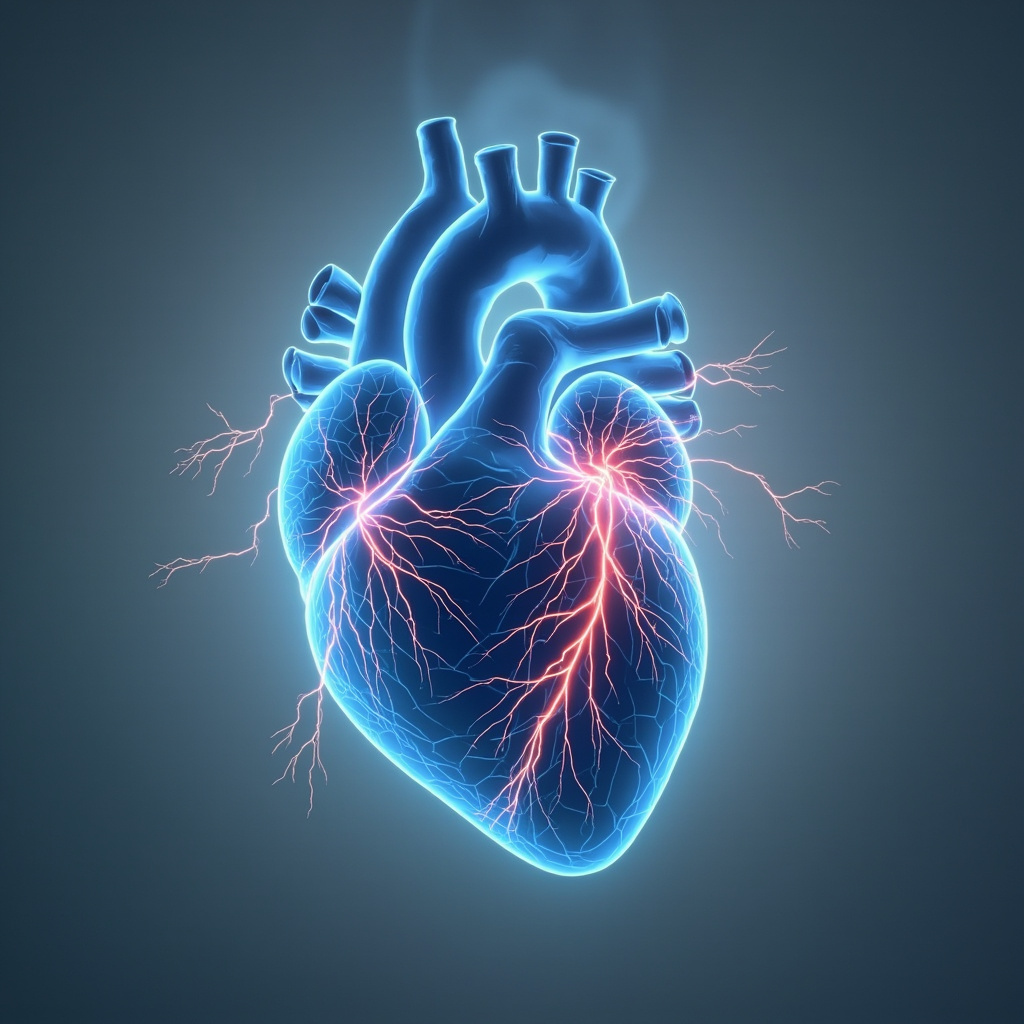
What is Psychogenic Heart Disorder?
Psychogenic heart disorder describes heart disturbances rooted in emotional stress rather than structural damage. Imagine your heart racing not from exercise, but from mounting worry or unresolved anxiety. This condition highlights the deep link between mind and body, where psychological pressures translate into physical sensations like irregular beats or chest tightness.
In everyday terms, it occurs when chronic stress overloads the heart's natural rhythm, often detected through patterns in your body's electrical signals. These signals reveal heightened agitation in the heart area, signaling a need for emotional support.
Key Symptoms to Recognize
Many people experience these signs without realizing their emotional origins:
- Palpitations: Feeling your heart flutter or pound unexpectedly.
- Chest discomfort: A sense of pressure or pain, mimicking more serious issues.
- Shortness of breath: Difficulty breathing deeply, especially during tense moments.
- Insomnia: Restless nights fueled by racing thoughts.
- Fatigue: Ongoing tiredness despite rest, as stress drains your reserves.
If these persist, they may point to this disorder, urging a closer look at your emotional state.
The Emotional Roots
At its core, psychogenic heart disorder stems from unprocessed emotions. Anxiety tightens the chest, worry accelerates the pulse, and suppressed feelings create inner turmoil. From a psychological view, this reflects poor emotional regulation, where the mind's stress response hijacks the heart.
Heart rate variability (HRV) offers a window here. HRV measures the variation in time between heartbeats-a high value signals resilience and calm, while low HRV flags vulnerability to stress. Studies link low HRV to difficulties in managing emotions, making the heart more susceptible.
Body-Mind Connection in Action
Your heart doesn't operate in isolation. The sympathetic nervous system, your fight-or-flight engine, ramps up during stress, altering heart signals. Over time, this can lead to measurable changes, like reduced HRV and increased agitation biomarkers.
Traditional Chinese Medicine (TCM) has long recognized this, viewing the heart as the seat of the spirit. Points like HT7 (spirit gate) calm the mind, PC6 regulates emotions, CV17 opens the chest, GV20 clears the head, and LR3 soothes underlying tension. Modern research echoes this: recent studies show stress alters heart function at a molecular level, with emotional distress post-heart events raising future risks.
Recent Scientific Insights
Emerging research strengthens these connections. For instance, depression and anxiety heighten heart disease risk via stress pathways. Brain signals from stress directly drive cardiovascular vulnerability, especially in women. Post-heart attack psychological distress affects up to 50% of survivors, linking back to inflammation and hormonal shifts triggered by emotions.
HRV biofeedback emerges as a powerful tool. Training to boost HRV improves emotional stability, reducing palpitations from stress. This aligns with my work: tracking biomarkers for stress and agitation helps clients build resilience.
Steps Toward Balance
Restoring harmony starts with awareness:
- Practice mindfulness: Short daily sessions ground you, easing heart strain.
- Monitor HRV: Use simple apps or devices to track progress.
- Relaxation techniques: Deep breathing activates calm responses.
- Seek support: Therapy addresses root emotions, like cognitive behavioral approaches.
- Lifestyle tweaks: Reduce caffeine, prioritize sleep, and nurture joy.
In assessments, focusing on heart-related biomarkers reveals progress. As agitation decreases and energy balances, symptoms fade, fostering clarity and vitality.
Why It Matters for You
Addressing psychogenic heart disorder empowers emotional health. It's not just about the heart-it's reclaiming control over stress responses. By nurturing this mind-body link, you build lasting resilience, turning stress into strength. Small steps today lead to profound calm tomorrow.
- 1. thieme-connect.com
- 2. psycnet.apa.org
- 3. pubmed.ncbi.nlm.nih.gov
- 4. journals.lww.com
- 5. medicalxpress.com
- 6. journals.lww.com
- 7. health.ucdavis.edu
- 8. onlinelibrary.wiley.com
- 9. sciencedirect.com
- 10. upi.com
- 11. semanticscholar.org
- 12. pmc.ncbi.nlm.nih.gov
- 13. mi-psych.com.au
- 14. tandfonline.com
- 15. newsroom.heart.org
- 16. frontiersin.org
- 17. mdpi.com
- 18. itmonline.org
- 19. emotionandpsychopathology.org
- 20. youtube.com
- 21. researchgate.net
- 22. heartandhealth.com
- 23. pubmed.ncbi.nlm.nih.gov
- 24. pmc.ncbi.nlm.nih.gov
- 25. acupuncture.com
- 26. journals.sagepub.com
- 27. researchgate.net
- 28. facebook.com
- 29. pmc.ncbi.nlm.nih.gov
- 30. usnews.com
- 31. eurekalert.org
- 32. link.springer.com
- 33. pmc.ncbi.nlm.nih.gov
- 34. psychologytoday.com
- 35. researchgate.net
- 36. ahajournals.org
- 37. facebook.com
- 38. int.livhospital.com
- 39. thebioenergyclinic.com
- 40. journals.physiology.org
Related posts
Glossary
- Energy and mind Structures > Drive
- Body zones > head
- Body zones > hormonal
- Body zones > chest
- Energy and mind Structures > CV17
- Energy and mind Structures > GV20
- TCM Recipes > Calm the Mind: A Remedy for Anxiety and Insomnia
- TCM Recipes > Stress-Related Heart Issues: Understanding Palpitations
- TCM Recipes > Heart Health: Remedies for Anxiety and Palpitations
- TCM Recipes > Brain Boost: Clear Fog, Improve Focus & Memory
- Energy and mind Structures > sleep
- Energy and mind Structures > vitality
- Energy and mind Structures > Stress
- Stimuli > Moon - Nasal Passage, Breathing, Taste
- Stimuli > Pain
- Binaural beats > Inflammation Relief: Heal Faster with Binaural Beats
- Stimuli > Heart Disease
- Stimuli > Lead
- Stimuli > Harmony
see also...
- Energy and mind Structures > HRV
- Energy and mind Structures > Body zones > substantia nigra
- Energy and mind Structures > TCM Recipes > Boost Energy: A Simple Remedy for Low Energy and Fatigue
- Testimonials > 61% Drop in Nausea and 58% in Headaches from Sound Therapy
- Binaural beats > Stimuli > Sacral, Zinc Etc
- Binaural beats > Desensitizer: Boost Your Energy and Focus Effectively