


High Blood Pressure: Stress and Emotions
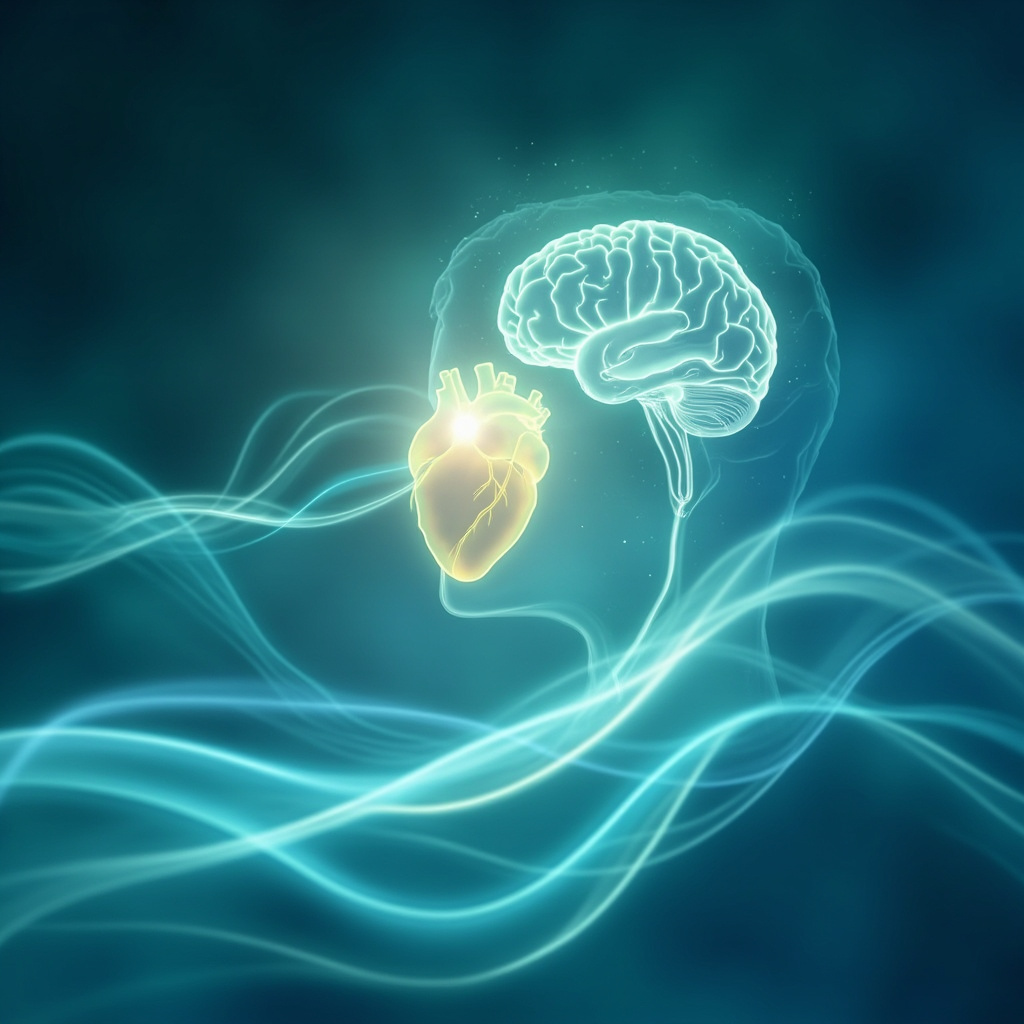
High blood pressure often goes unnoticed, yet it strains the heart and vessels over time. Many people experience it without symptoms, but when paired with stress, it becomes a clear signal from the body.
What High Blood Pressure Means for Your Health
Your blood pressure measures the force of blood against artery walls as the heart pumps. Normal levels keep blood flowing smoothly to organs. When it stays high, it can lead to heart disease, stroke, or kidney issues. Factors like diet, exercise, and genetics play roles, but emotions add a powerful layer.
Stress hormones like cortisol and adrenaline kick in during tension. They make the heart beat faster and narrow vessels, spiking pressure temporarily. Over time, repeated spikes damage arteries, much like constant high pressure.
The Emotional Link to High Blood Pressure
As a psychologist, I see how feelings drive physical changes. A December 2025 study from Harvard and Mass General Brigham followed over 85,000 people. It found those with depression or anxiety face up to 32% higher risk of heart attack or stroke. The chain starts in the brain's amygdala, the stress center. Overactivity there triggers the nervous system, raising heart rate, blood pressure, and inflammation.
Key marker: heart rate variability (HRV) drops. HRV shows how well your heart adapts to stress-high variability means resilience, low means strain. In the study, lower HRV linked directly to emotional distress and cardiovascular events, even after adjusting for smoking or diabetes.
Chronic worry, agitation, or unresolved tension keeps the body in 'fight-or-flight' mode. This not only elevates pressure but also disrupts emotional balance, creating a cycle.
Signs Your Emotions Affect Blood Pressure
Watch for:
- Headaches or dizziness
- Fatigue or chest discomfort
- Shortness of breath during calm moments
- Sleep issues from racing thoughts
These often tie to nervous system agitation, where stress biomarkers show imbalance.
Assessing and Understanding Through Biomarkers
Body's electrical activity, measured via simple sensors, reveals these patterns. The high blood pressure biomarker highlights energy levels, agitation, and emotional ties in the cardiovascular and nervous systems. It shows if stress is the main driver, helping pinpoint needs.
For example, high agitation in nerves might reflect anxiety overload. Low energy could signal exhaustion from constant pressure.
Paths to Balance and Regulation
Emotional health supports physical recovery. Here are practical steps:
Daily Practices
- Deep breathing: Slow inhales (4 counts) and exhales (6 counts) activate the rest-and-digest system, easing pressure.
- Mindfulness: Short sessions focus on the present, quieting the amygdala. Studies show it raises HRV and lowers blood pressure.
- Movement: Walking or yoga releases tension without overstrain.
Professional Insights
Psychologists use biomarkers to track progress. If stress patterns persist, therapies like cognitive behavioral techniques rewire responses. Biofeedback trains HRV control, often reducing pressure naturally.
In tools like BioCoherence, resonance frequencies target these imbalances. They calm the nervous system, much like the TCM recipe for high blood pressure, aiding stress and anxiety relief.
Building Resilience Long-Term
Track your emotional state daily. Journal worries to spot patterns. Build support networks to buffer isolation, a hidden stressor.
A client with high pressure and anxiety saw changes after focusing on HRV. Mindfulness raised variability, dropped readings, and lifted mood-measurable wins.
High blood pressure is not just physical; it's an emotional call to regulate stress. By addressing the mind-body link, you foster vitality and calm. Start small, monitor changes, and reclaim balance.
- 1. youtube.com
- 2. pubmed.ncbi.nlm.nih.gov
- 3. jamanetwork.com
- 4. pmc.ncbi.nlm.nih.gov
- 5. pubmed.ncbi.nlm.nih.gov
- 6. ahajournals.org
- 7. open.spotify.com
- 8. powershealth.org
- 9. usnews.com
- 10. youtube.com
- 11. journals.lww.com
- 12. integrativemindandbody.org
- 13. pmc.ncbi.nlm.nih.gov
- 14. journals.physiology.org
- 15. ncbi.nlm.nih.gov
- 16. facebook.com
- 17. biofeedback.co.at
- 18. pmc.ncbi.nlm.nih.gov
- 19. apa.org
- 20. youtube.com
- 21. archives-pmr.org
- 22. pmc.ncbi.nlm.nih.gov
- 23. healthline.com
- 24. pmc.ncbi.nlm.nih.gov
- 25. mayoclinic.org
- 26. nature.com
- 27. medrxiv.org
- 28. pmc.ncbi.nlm.nih.gov
- 29. pmc.ncbi.nlm.nih.gov
- 30. cardiovascularbusiness.com
- 31. thehealingnarrative.com
- 32. drakeinstitute.com
- 33. mindfield-shop.com
- 34. news.harvard.edu
- 35. massgeneralbrigham.org
Related posts
Glossary
- Energy and mind Structures > Focused Coherence; Focus
- Energy and mind Structures > Drive
- Energy and mind Structures > Exhaustion
- Body zones > nerves
- Body zones > Arteries
- Body zones > chest
- Body zones > face
- Energy and mind Structures > Organs
- TCM Recipes > Stress Relief for High Blood Pressure: A TCM Approach
- TCM Recipes > Emotional Balance: A TCM Guide to Calm Anxiety & Insomnia
- TCM Recipes > Anxiety Relief: Natural Remedies for Stress and Sleep
- TCM Recipes > Kidney Health: Boost Energy and Relieve Back Pain
- TCM Recipes > Heart Health: Remedies for Anxiety and Palpitations
- TCM Recipes > Stress Relief: A Simple Guide to Calm and Sleep
- TCM Recipes > Boost Your Energy: A TCM Recipe for Fatigue Relief
- Energy and mind Structures > sleep
- Energy and mind Structures > vitality
- Energy and mind Structures > blood pressure
- Energy and mind Structures > Stress
- Stimuli > Cortisol
- Binaural beats > Inflammation Relief: Heal Faster with Binaural Beats
- Binaural beats > Nervous System: A Program for Emotional Balance and Relaxation
- Binaural beats > Blood Vessels & Arteries: Boost Circulation & Well-Being
- Stimuli > Stroke
- Stimuli > Heart Disease
- Stimuli > Lead
- Stimuli > Blood
see also...
- Energy and mind Structures > HRV
- Energy and mind Structures > Body zones > thoracic
- Energy and mind Structures > TCM Recipes > Tension Headache Relief: A Natural Approach to Ease Stress
- Testimonials > 61% Drop in Nausea and 58% in Headaches from Sound Therapy
- Binaural beats > Stimuli > Variolinum
- Binaural beats > Blood Vessels & Arteries: Boost Circulation & Well-Being