


Fasciolopsis Buski: Gut Distress & Anxiety
What is Fasciolopsis Buski?
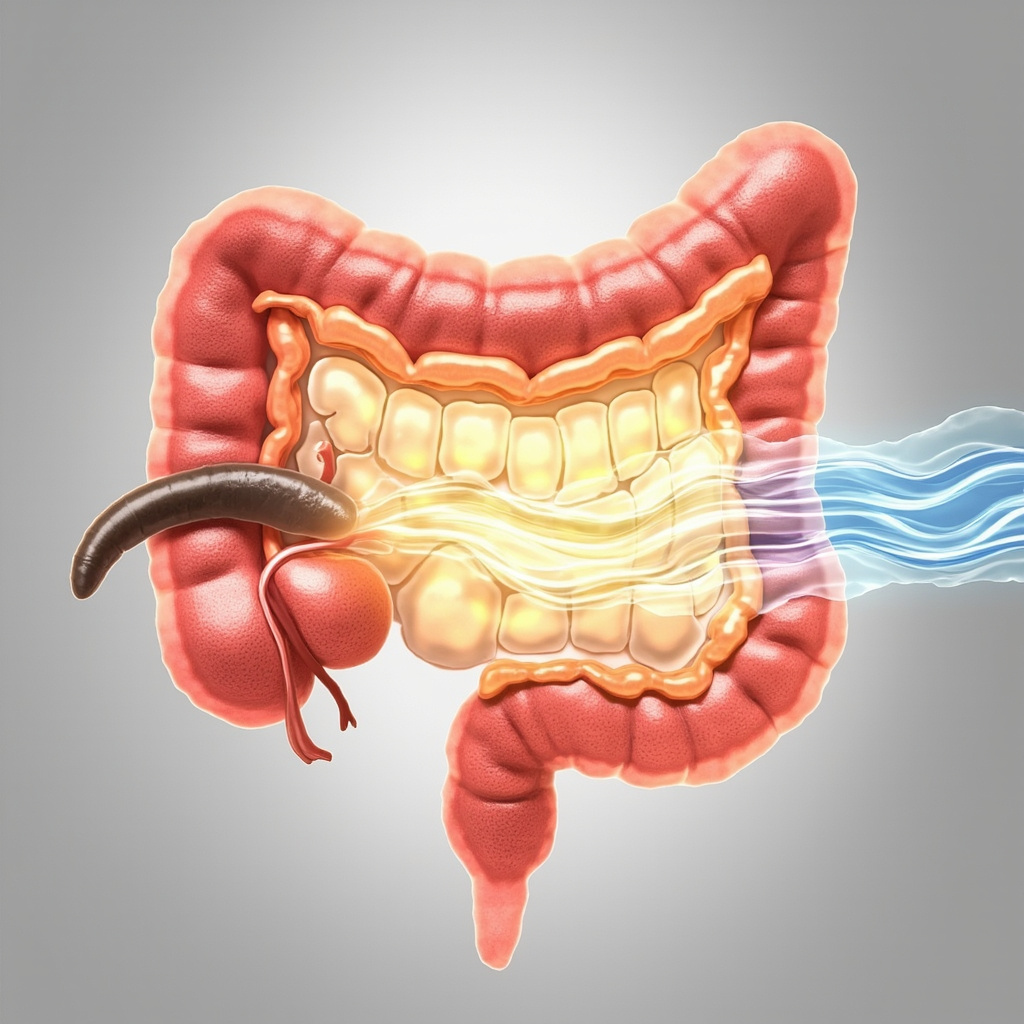
Fasciolopsis buski, often called the giant intestinal fluke, is one of the largest parasites that can infect humans. It attaches to the wall of the small intestine, where it absorbs nutrients meant for your body. This leads to malnutrition and other digestive problems. Found mainly in parts of Asia, it spreads through eating contaminated water plants or undercooked aquatic foods. Many infections cause no symptoms, but heavier ones bring clear signs of trouble.
Physical Symptoms to Watch For
The body often signals an issue through gut discomfort. Common signs include:
- Abdominal pain: A nagging ache in the belly, sometimes sharp.
- Diarrhea: Loose, frequent stools that alternate with constipation.
- Nausea and vomiting: Feelings of sickness that disrupt daily life.
- Weight loss: Due to poor nutrient absorption.
- Swelling and anemia: In worse cases, fluid buildup in the face, legs, or abdomen, plus tiredness from low blood cells.
These effects can start one to two months after exposure and worsen over time if untreated. For details, see the CDC page on Fasciolopsis.
The Emotional Side of Gut Distress
Gut issues do more than upset your stomach-they stir your emotions. The constant pain and unpredictability from Fasciolopsis buski breed anxiety and distress. You might feel vulnerable, worried about every meal or bowel movement. This unease can build into ongoing concern for your health.
Research links parasites to mental health shifts. Infections raise inflammation, which affects brain signals for mood and stress. People report higher rates of anxiety, low mood, and even sluggish thinking. The gut makes much of your serotonin, the feel-good chemical. When disrupted, it impacts emotional balance and resilience.
Mind-Body Connections
From my work as a psychologist, I know the gut-brain axis is key. Biomarkers like heart rate variability (HRV) drop with stress from gut problems, showing poorer emotional regulation. Agitation rises, focus fades, and simple tasks feel overwhelming. Chronic discomfort reinforces a cycle: physical pain heightens worry, worry tightens the gut.
Glossary entry on Fasciolopsis buski explains its role in body scans.
Detecting It Through Body Signals
Your body's electrical activity reveals hidden imbalances. A sensor records full-body patterns, computing biomarkers for structures like Fasciolopsis buski. We assess its energy levels, agitation, qualities, and links to other systems. High agitation might signal active distress in gut and emotions.
Paths to Balance and Calm
Restoring harmony targets the parasite's resonance frequencies. These gentle vibrations help calm agitation and support the structure's healthy role. In guided sessions, words invite relief: focusing on the gut's ease or calling this presence as a stabilizing force.
When balanced, Fasciolopsis buski aids emotional well-being. It eases discomfort, reduces anxiety, and promotes stability. Your gut settles, energy flows better, and mind quiets.
Practical Steps for Emotional Health
- Track symptoms: Note gut pain alongside mood shifts.
- Build resilience: Practice deep breathing to boost HRV and lower stress.
- Support gut health: Eat clean, stay hydrated, avoid risky foods.
- Monitor progress: Repeat scans show changes in biomarkers.
- Seek support: Combine with therapy for trauma or chronic worry.
Heavy infections need medical care, like antiparasitic drugs. But addressing the emotional layer speeds recovery.
By linking gut signals to feelings, you gain control. This parasite highlights how body whispers guide inner peace. Explore your biomarkers for personalized insights.
- 1. parasitetesting.com
- 2. journals.sagepub.com
- 3. cambridge.org
- 4. outbreaknewstoday.substack.com
- 5. frontiersin.org
- 6. emedicine.medscape.com
- 7. accessmedicine.mhmedical.com
- 8. europepmc.org
- 9. ganeshdiagnostic.com
- 10. en.wikipedia.org
- 11. restoredcdc.org
- 12. pmc.ncbi.nlm.nih.gov
- 13. frontiersin.org
- 14. cdc.gov
- 15. dash.harvard.edu
- 16. nutritionalwellnesscenter.com
- 17. cdc.gov
- 18. sciencedirect.com
- 19. patient.info
- 20. britannica.com
- 21. pmc.ncbi.nlm.nih.gov
- 22. journals.lww.com
- 23. researchgate.net
- 24. pmc.ncbi.nlm.nih.gov
- 25. serenitywellnessandcounseling.com
- 26. merckmanuals.com
- 27. researchgate.net
- 28. ijcmph.com
Related posts
Glossary
- Energy and mind Structures > Focused Coherence; Focus
- Energy and mind Structures > Regulation
- Energy and mind Structures > Mental
- Energy and mind Structures > Water
- Energy and mind Structures > Peace
- Energy and mind Structures > Fasciolopsis buski
- Body zones > face
- TCM Recipes > Constipation Relief: Herbal Remedies for Digestive Comfort
- TCM Recipes > Emotional Balance: A TCM Guide to Calm Anxiety & Insomnia
- TCM Recipes > Intestinal Harmony: A TCM Recipe for Digestive Relief
- TCM Recipes > Digestive Relief: A Simple Guide to Ease Bloating & Indigestion
- TCM Recipes > Heart Health: Remedies for Anxiety and Palpitations
- TCM Recipes > Brain Boost: Clear Fog, Improve Focus & Memory
- Energy and mind Structures > movement
- Energy and mind Structures > Stress
- Stimuli > Serotonin
- Stimuli > Moon - Nasal Passage, Breathing, Taste
- Stimuli > AIDS
- Stimuli > Pain
- Binaural beats > Inflammation Relief: Heal Faster with Binaural Beats
- Binaural beats > Trauma Healing: Binaural Beats for Emotional Balance
- Binaural beats > Bowel Harmony: Enhancing Digestive Health and Balance
- Stimuli > Parasites
- Stimuli > Harmony
- Stimuli > Blood
see also...
- Energy and mind Structures > HRV
- Energy and mind Structures > Body zones > thoracic
- Energy and mind Structures > TCM Recipes > Boost Energy: A Simple Remedy for Low Energy and Fatigue
- Testimonials > 61% Drop in Nausea and 58% in Headaches from Sound Therapy
- Binaural beats > Stimuli > Variolinum
- Binaural beats > Bowel Harmony: Enhancing Digestive Health and Balance