


Heart Chakra - Anahata: Love and Balance
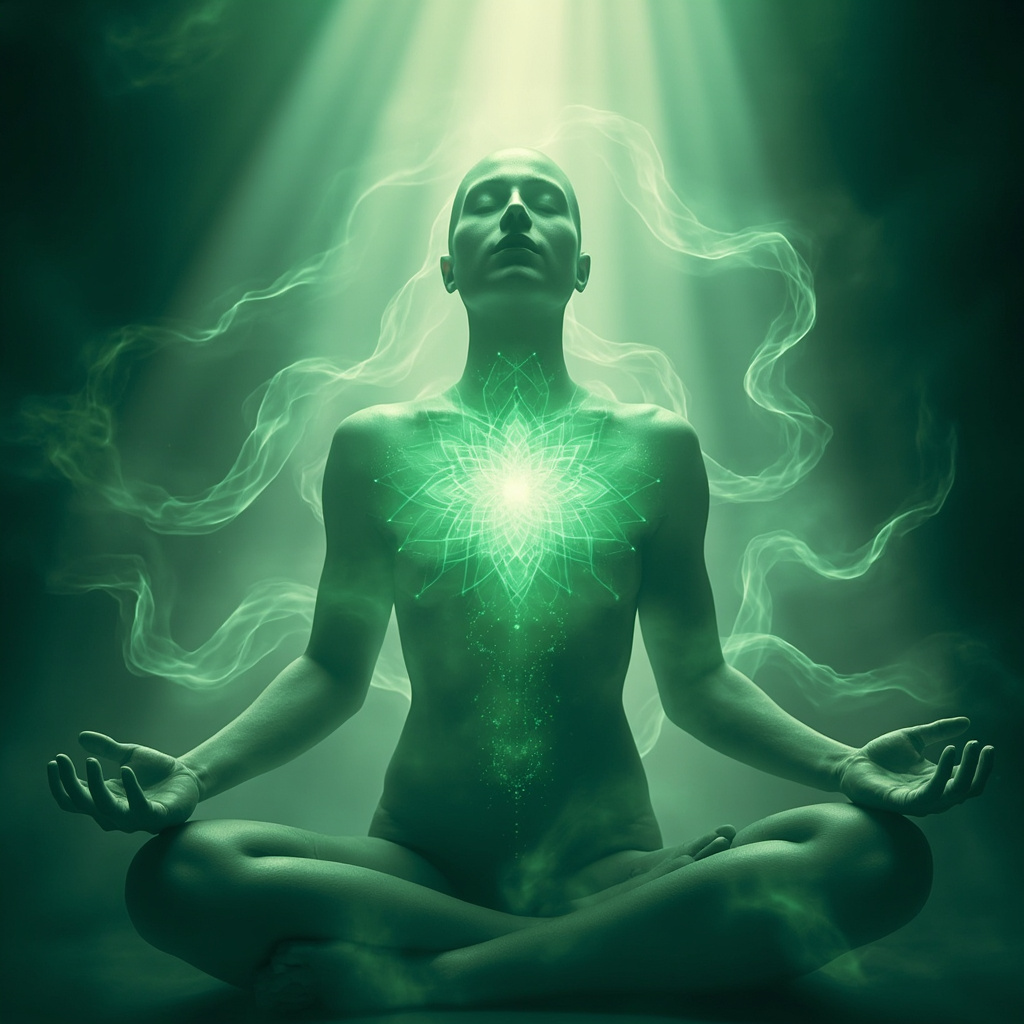
Understanding the Heart Chakra
The heart chakra, known as Anahata, sits at the center of your chest. It is the fourth energy center in the body, linking the lower physical chakras with the higher spiritual ones. This chakra governs love, compassion, and empathy. It helps you connect deeply with yourself and others, creating harmonious relationships.
In simple terms, Anahata acts like an emotional bridge. It balances feelings, turning raw emotions into stable, positive experiences. When open, you feel a natural flow of kindness and understanding. Learn more in the glossary.
Emotional Role of Anahata
At its core, the heart chakra influences how you experience love in all forms:
- Self-love: Accepting yourself without judgment.
- Romantic love: Building trusting partnerships.
- Unconditional love: Extending compassion to family, friends, and even strangers.
- Forgiveness: Letting go of grudges to free your heart.
A balanced Anahata promotes inner peace and emotional stability. You become more empathetic, sensing others' needs while honoring your own. This leads to stronger relationships and less conflict.
Signs of Imbalance
When the heart chakra is blocked or overactive, emotions can feel chaotic. Common signs include:
Underactive (blocked) Anahata:
- Feeling lonely or isolated, even in a crowd.
- Jealousy or possessiveness in relationships.
- Difficulty trusting others or opening up.
- Resentment or holding onto past hurts.
Overactive Anahata:
- Codependency, losing yourself in others' needs.
- Overly sensitive to criticism.
- People-pleasing at your own expense.
These imbalances often tie to stress or past traumas. As a psychologist, I see them reflected in physiological signals like low heart rate variability (HRV), which measures your body's ability to adapt to stress. Poor HRV signals emotional rigidity, much like a closed heart chakra.
Physiological Links to Emotional Health
The heart chakra aligns closely with your physical heart and lungs. HRV is a key marker here-high variability shows resilience, allowing your heart to shift between rest and action smoothly. This mirrors Anahata's role in emotional flexibility.
Stress tightens the chest, reducing breath and blood flow, which strains the heart. Chronic tension raises agitation biomarkers, linked to anxiety and poor focus. Balancing Anahata can ease these by promoting relaxation, much like mindfulness practices that boost HRV.
In my work, I assess emotional health through such biomarkers. High stress patterns often point to heart chakra issues, where clients feel disconnected or overwhelmed. Addressing this holistically improves both mind and body.
Anahata as a Resource for Healing
When strong, the heart chakra becomes a powerful ally:
- It channels energy for emotional balance, soothing loneliness.
- Enhances empathy, improving communication.
- Fosters forgiveness, releasing emotional weight.
Use it in daily life:
- Breathing exercises: Inhale deeply into your chest, visualizing green light (Anahata's color) expanding.
- Gratitude practice: List three things you appreciate about yourself and others.
- Loving-kindness meditation: Silently wish well to yourself, loved ones, and even challenges.
These build resilience. Over time, they shift biomarkers toward calm, raising HRV and reducing agitation.
Practical Steps for Balance
To nurture your heart chakra:
- Spend time in nature to open your senses.
- Practice acts of kindness without expectation.
- Journal about relationships-what feels loving, what blocks it?
Track progress with simple checks: Do you feel more connected? Less jealous? These shifts signal Anahata's harmony.
As a psychologist, I integrate these insights with data on stress and emotional regulation. A client with low HRV and isolation might start with heart-focused relaxation. Results show in calmer biomarkers and brighter moods.
Balancing Anahata isn't just spiritual-it's a path to measurable well-being. It supports resilience, turning emotional challenges into growth.
Related posts
Glossary
- Energy and mind Structures > Heart Chakra - Anahata
- Energy and mind Structures > Chakras
- Energy and mind Structures > Focused Coherence; Focus
- Energy and mind Structures > Communication
- Energy and mind Structures > Love
- Energy and mind Structures > Letting go
- Energy and mind Structures > Rigidity
- Body zones > lungs
- Body zones > senses
- Body zones > chest
- TCM Recipes > Heart Health: Remedies for Anxiety and Palpitations
- Energy and mind Structures > Stress
- Stimuli > IGF1, Growth
- Stimuli > Harmony
- Stimuli > Blood
see also...
- Energy and mind Structures > HRV
- Energy and mind Structures > Body zones > substantia nigra
- Energy and mind Structures > TCM Recipes > Tension Headache Relief: A Natural Approach to Ease Stress
- Testimonials > 61% Drop in Nausea and 58% in Headaches from Sound Therapy
- Binaural beats > Stimuli > Variolinum