


Sacral Chakra: Emotional Flow and Creativity
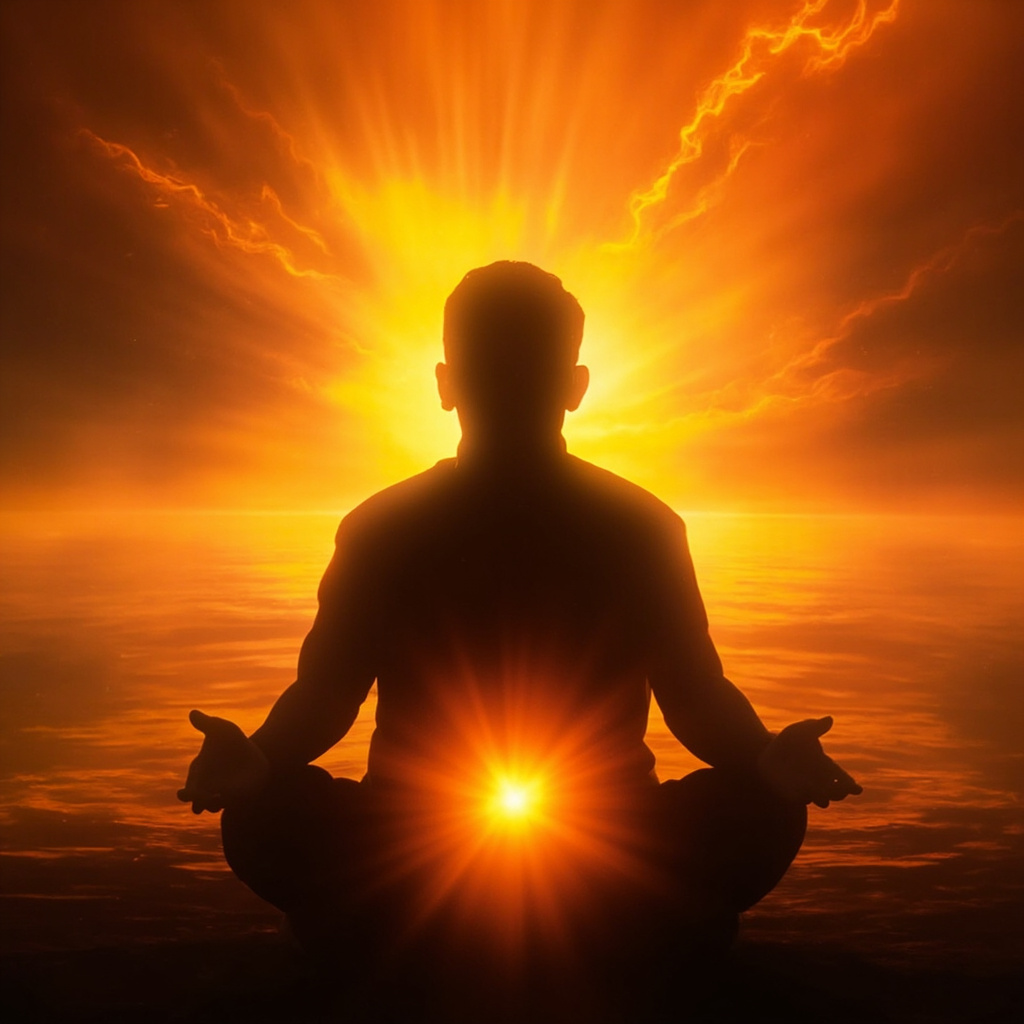
The Sacral Chakra, known as Svadhisthana in Sanskrit, is a vital energy center located just below the navel in the lower abdomen. This area connects deeply with our emotional life, creativity, sexuality, and sense of pleasure. As a psychologist focused on emotional regulation, I see it as a key to understanding how feelings flow freely or become stuck.
What Is the Sacral Chakra?
Svadhisthana means "where your being is established." It is symbolized by an orange lotus flower with six petals, representing the water element-fluid, adaptable, and ever-changing. This chakra influences how we experience joy, passion, intimacy, and artistic expression. It sits near the reproductive organs and links to hormones that regulate mood and vitality, such as estrogen and testosterone.
In everyday terms, think of it as the hub for your inner river of emotions. When clear, it allows feelings to move smoothly, fostering well-being and enthusiasm for life.
Its Role in Emotional Health
This chakra governs emotional balance and creativity. A balanced Svadhisthana helps you:
- Feel pleasure and abundance naturally.
- Express desires and passions healthily.
- Build intimate connections without fear.
- Tap into creative ideas effortlessly.
From a psychological view, it supports emotional regulation-the ability to process and respond to feelings adaptively. Low activity here might show as suppressed emotions or avoidance of change, while overactivity can lead to overwhelming mood swings or escapism.
Recent research bridges this ancient concept with modern science. A study on yoga practitioners used heart rate variability (HRV)-a biomarker of stress resilience-to measure energy in the sacral region. Slow deep breathing significantly boosted this energy, linking chakra practices to reduced anxiety and better autonomic balance.
Signs of Balance and Imbalance
Balanced Sacral Chakra brings:
- Stable moods and emotional equilibrium.
- Heightened creativity and inspiration.
- Healthy sensuality and joy in relationships.
- Greater intuition and adaptability.
Imbalanced Sacral Chakra may cause:
- Emotional numbness or detachment.
- Anxiety, fear of intimacy, or loneliness.
- Creative blocks or lack of motivation.
- Mood swings, guilt, or addictive tendencies.
- Physical issues like low libido or reproductive challenges.
These patterns often appear in clients with chronic stress, where HRV drops, signaling poor emotional adaptability.
Psychological Connections and HRV
As someone integrating physiological data with psychology, I note how Svadhisthana relates to HRV. High HRV indicates a flexible nervous system, better at handling stress and emotions-much like a flowing sacral chakra. Low HRV correlates with agitation, poor focus, and emotional instability, mirroring blockages here.
Trauma or prolonged stress can disrupt this center, leading to repression of feelings. Therapies like mindfulness restore flow, improving biomarkers over time. Tracking these changes objectively helps measure progress toward resilience.
Svadhisthana as a Resource
When strong, the Sacral Chakra energizes other body systems. It promotes well-being by harmonizing emotional and sexual health, supporting organs like the bladder and intestines, and meridians tied to fluid movement.
In practice, call on it during meditation: Visualize warm orange light expanding from your lower belly, repeating "Vam" to clear stagnation. This invites creativity and pleasure, aiding emotional stability.
Ways to Support Balance
Simple steps include:
- Hip-opening yoga: Poses like Pigeon or Goddess to release tension.
- Creative outlets: Dance, art, or journaling to channel energy.
- Water affinity: Swim or bathe mindfully, embracing flow.
- Affirmations: "I allow my emotions to flow freely" or "I embrace my creativity."
- Diet: Orange foods like mangoes or carrots for symbolic nourishment.
These practices enhance emotional intelligence, much like biofeedback for HRV training.
For deeper insights, explore the Sacral Chakra glossary. Balancing Svadhisthana fosters not just calm, but a vibrant life full of passion and innovation.
- 1. banyanwomen.org
- 2. yogakawa.com
- 3. pmc.ncbi.nlm.nih.gov
- 4. meditativemind.org
- 5. reikihealingassociation.com
- 6. mdpi.com
- 7. meditationmusiclibrary.com
- 8. youtube.com
- 9. shvasa.com
- 10. silvercove.net
- 11. open.spotify.com
- 12. instagram.com
- 13. facebook.com
- 14. innsightful.com
- 15. healthline.com
- 16. researchgate.net
- 17. pmc.ncbi.nlm.nih.gov
- 18. instagram.com
- 19. katekingjewellery.com
- 20. emotionandpsychopathology.org
- 21. artofliving.org
- 22. youtube.com
- 23. ejournal.sultanpublisher.com
- 24. facebook.com
- 25. pmc.ncbi.nlm.nih.gov
- 26. youtube.com
- 27. facebook.com
- 28. flowerofsound.com
- 29. frontiersin.org
- 30. pmc.ncbi.nlm.nih.gov
- 31. myyogateacher.com
- 32. wbcil.com
Related posts
Glossary
- Energy and mind Structures > Sacral Chakra - Svadhisthana
- Energy and mind Structures > Focused Coherence; Focus
- Energy and mind Structures > Regulation
- Energy and mind Structures > Water
- Energy and mind Structures > Emotional instability
- Energy and mind Structures > Pleasure
- Energy and mind Structures > Stagnation
- Energy and mind Structures > Meridians
- Body zones > hormones
- Energy and mind Structures > Organs
- TCM Recipes > Heart Health: Remedies for Anxiety and Palpitations
- Energy and mind Structures > vitality
- Energy and mind Structures > equilibrium
- Energy and mind Structures > movement
- Energy and mind Structures > Theta; 4.31-6.97 Hz. Light sleep, meditation.
- Energy and mind Structures > Stress
- Stimuli > Sacral, Zinc Etc
- Stimuli > Testosterone
- Stimuli > Moon - Nasal Passage, Breathing, Taste
- Binaural beats > Nervous System: A Program for Emotional Balance and Relaxation
- Stimuli > Reproductive
- Stimuli > Bladder
- Stimuli > Lead
see also...
- Energy and mind Structures > HRV
- Energy and mind Structures > Body zones > skull
- Energy and mind Structures > TCM Recipes > Tension Headache Relief: A Natural Approach to Ease Stress
- Testimonials > 61% Drop in Nausea and 58% in Headaches from Sound Therapy
- Binaural beats > Stimuli > Sacral, Zinc Etc
- Binaural beats > Transmutation: A Sound Journey for Personal Change