


Paranasal Sinuses: Breath and Emotional Space
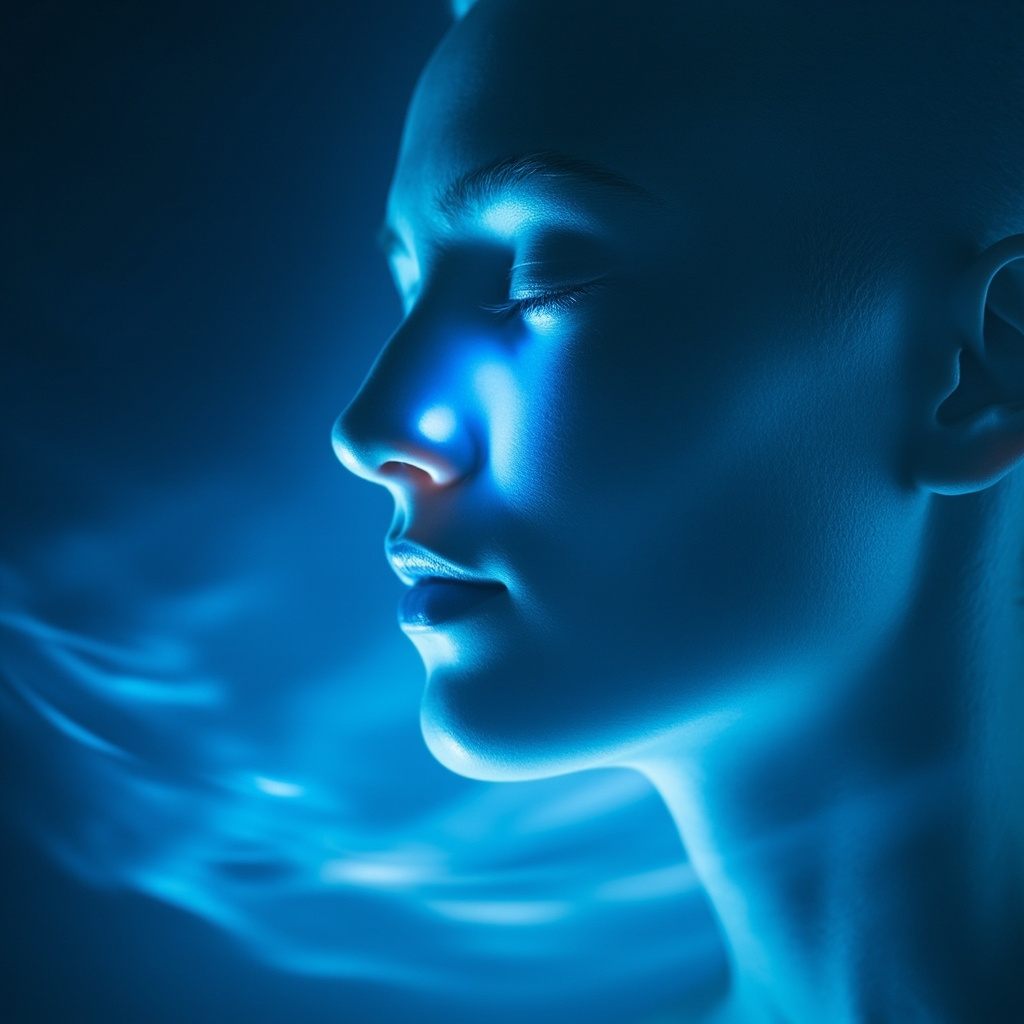
Your paranasal sinuses, those air-filled pockets around your nose and eyes, do more than just fill space in your skull. They play a key role in breathing, voice, and protection, but imbalances here often mirror deeper emotional tensions. As a psychologist focused on stress and emotional health, I see how these structures reflect inner conflicts over territory and expression.
Location and Basic Functions
The paranasal sinuses sit in the bones of your forehead, cheeks, and between your eyes. Healthy sinuses:
- Lighten the weight of your head for easier movement.
- Produce mucus to keep nasal passages moist and trap germs.
- Give your voice better resonance for clear speech.
- Act as cushions against facial impacts.
These simple tasks support daily comfort, but when disrupted, they cause real discomfort.
Common Signs of Sinus Imbalance
When sinuses struggle, you might notice:
- Nasal congestion that blocks airflow.
- Pain or pressure in the face, especially around eyes and cheeks.
- Headaches that worsen when bending over.
- Thick mucus, reduced smell, or breathing issues.
These symptoms, often called sinusitis, can linger and drain your energy. Research links chronic cases to weakened immunity from ongoing stress, creating a cycle of inflammation and fatigue.
The Emotional Side of Sinuses
Sinuses hold a strong tie to feelings of irritation and frustration. Think of them as sentinels for your personal space. When you feel invaded-at work, home, or socially-tension builds. This emotional pressure can show up physically as congestion or infections.
Studies show people with ongoing sinus problems face higher risks of anxiety and depression. Stress hormones like cortisol ramp up inflammation in nasal tissues, while emotional strain over 'territory'-like boundaries not respected-blocks clear expression. Overthinking decisions or feeling stuck in your environment adds to the load, turning minor issues into chronic ones.
In my work with biomarkers tied to stress and heart rate variability (HRV), I often spot patterns where low emotional regulation correlates with sinus strain. High agitation disrupts focus, and unresolved conflicts amplify physical symptoms.
Sinuses as a Source of Strength
Balanced sinuses offer real support. They aid emotional release by easing stress buildup in the respiratory system. Clear passages improve oxygen flow, boosting energy and mental clarity. As a resource, they help steady other body areas:
- Promote better breathing for calm during tense moments.
- Reduce congestion linked to worry, freeing mental space.
- Enhance overall flow of energy and information in the body.
When called upon, sinuses foster resilience, helping you claim your space with confidence.
Practical Ways to Restore Balance
Address both body and mind for lasting relief:
Breathing and Awareness
- Practice deep nasal breaths: Inhale slowly through the nose, exhale fully. This stimulates sinuses and signals calm to your nervous system.
- Track HRV with simple apps during rest-higher variability means better stress handling.
Emotional Tools
- Journal frustrations: Note spaces where you feel crowded and set small boundaries.
- Use mindfulness: Sit quietly, visualize clear sinuses as open pathways for fresh ideas and air.
Daily Habits
- Stay hydrated to thin mucus.
- Hum or chant softly to resonate sinuses and lift mood.
- Incorporate grounding walks in nature to reclaim personal territory.
For those with trauma echoes or chronic stress, cognitive techniques like reframing 'invasion' thoughts build resilience. Over time, track improvements in mood and breathing.
Sinus health reflects your inner world. By tending to emotional roots, you open paths to freer breath and steadier emotions. Small steps today lead to profound shifts.
- 1. healthline.com
- 2. americansinus.com
- 3. pmc.ncbi.nlm.nih.gov
- 4. nasoneb.com
- 5. healthline.com
- 6. sleepandsinuscenters.com
- 7. sinusdoctor.com
- 8. healthline.com
- 9. ashfordclinic.com
- 10. tiktok.com
- 11. bhartientcare.com
- 12. healthline.com
- 13. enticare.com
- 14. verobeachent.com
- 15. traceystevens.org
- 16. healthline.com
- 17. kaplansinusrelief.com
- 18. psychologytoday.com
- 19. drprljamedical.com
- 20. healthline.com
- 21. jacionline.org
- 22. connect.mayoclinic.org
- 23. socalbreathefree.com
- 24. sleepandsinuscenters.com
- 25. spiritualmarker.com
- 26. reddit.com
- 27. mcpress.mayoclinic.org
- 28. mayoclinic.org
- 29. healthline.com
- 30. delreymd.com
- 31. pmc.ncbi.nlm.nih.gov
Related posts
Glossary
- Energy and mind Structures > oxygen
- Energy and mind Structures > Focused Coherence; Focus
- Energy and mind Structures > Regulation
- Energy and mind Structures > Mental
- Energy and mind Structures > Confidence
- Energy and mind Structures > Immunity
- Body zones > head
- Body zones > hormones
- Body zones > bones
- Body zones > nose
- Body zones > paranasal sinus
- Body zones > respiratory
- Body zones > tissues
- Body zones > eyes
- Body zones > face
- TCM Recipes > Sinus Relief: Simple Remedies for Congestion & Pain
- TCM Recipes > Heart Health: Remedies for Anxiety and Palpitations
- TCM Recipes > Herbal Relief: A TCM Approach to Lift Your Mood
- TCM Recipes > Boost Your Energy: A TCM Recipe for Fatigue Relief
- Energy and mind Structures > movement
- Energy and mind Structures > Stress
- Stimuli > Cortisol
- Stimuli > Moon - Nasal Passage, Breathing, Taste
- Stimuli > Sinusitis
- Stimuli > Pain
- Binaural beats > Inflammation Relief: Heal Faster with Binaural Beats
- Binaural beats > Congestion: A Binaural Beat Program for Physical Relief
- Binaural beats > Trauma Healing: Binaural Beats for Emotional Balance
- Binaural beats > Nervous System: A Program for Emotional Balance and Relaxation
- Stimuli > Lead
see also...
- Energy and mind Structures > HRV
- Energy and mind Structures > Body zones > thoracic
- Energy and mind Structures > TCM Recipes > Tension Headache Relief: A Natural Approach to Ease Stress
- Testimonials > 61% Drop in Nausea and 58% in Headaches from Sound Therapy
- Binaural beats > Stimuli > Sacral, Zinc Etc
- Binaural beats > Transmutation: A Sound Journey for Personal Change