


Sympathetic Nerves: Fight-or-Flight Balance
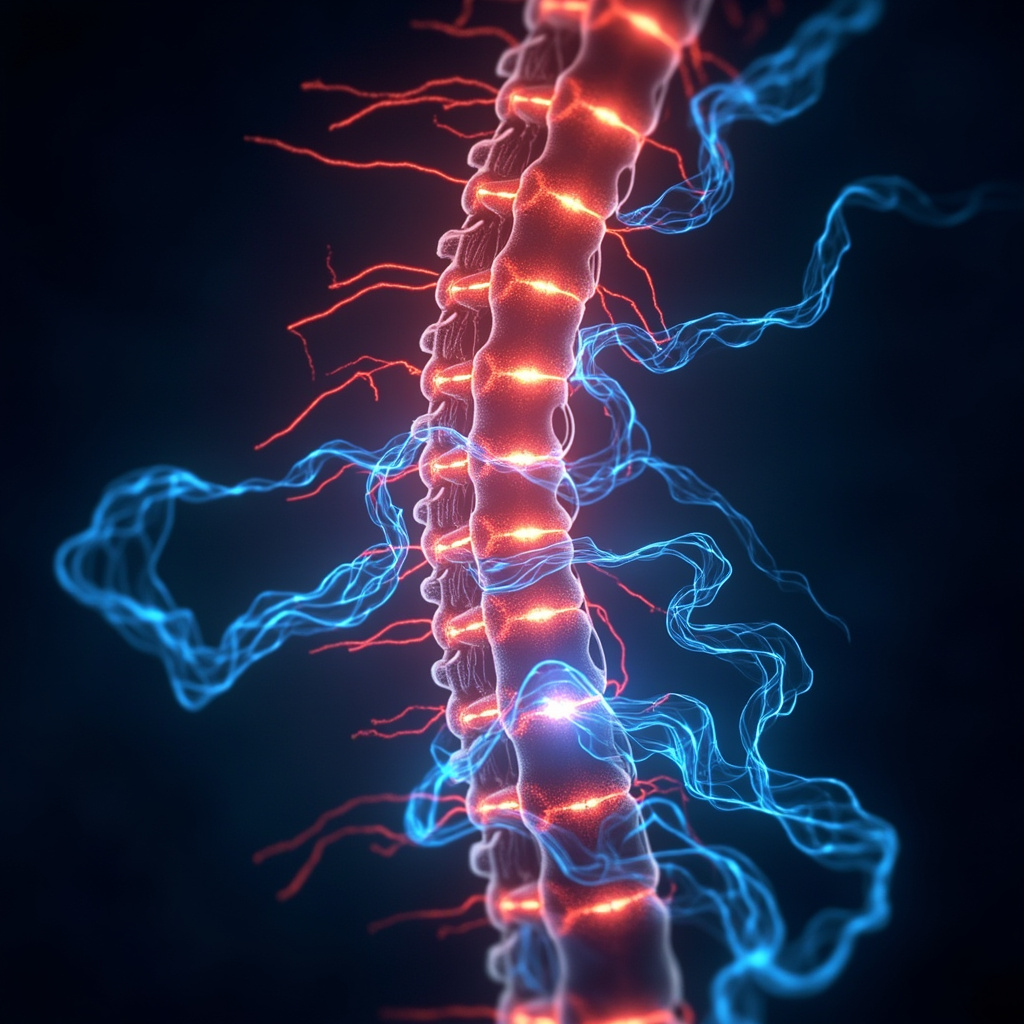
Your Body's Alarm System
The sympathetic nervous system acts like an alarm bell in your body. It springs into action when you face danger or stress, preparing you to fight or flee. This ancient survival mechanism ramps up your heart rate, sharpens your senses, and releases quick energy. But in today's world, it can stay on too long, leading to everyday worries and fatigue.
Picture this: you're rushing to a meeting, and suddenly your pulse quickens, breathing shallows, and muscles tense. That's the sympathetic system at work, located mainly along your spine in the chest and lower back areas. It connects to organs like your heart, lungs, and gut, directing blood where it's needed most.
The Fight-or-Flight Response
When triggered, this system:
- Speeds up your heart rate to pump more oxygen.
- Widens your airways for deeper breaths.
- Slows digestion to save energy for action.
- Boosts alertness by dilating your pupils.
These changes help you handle threats. Short bursts are healthy. They sharpen focus and strength during challenges.
Emotional Ties to Stress
Emotionally, the sympathetic system is tied to fear and anxiety. A past scare or ongoing pressure can keep it revved up. You might feel constantly on edge, with racing thoughts or a tight chest. Over time, this drains your energy, raises blood pressure, and disrupts sleep.
Studies show people with high anxiety often have stronger sympathetic activity, even before stress hits. It creates a cycle: worry activates the system, which fuels more worry. For more details, see our glossary on sympathetic nerves.
Signs of Imbalance
Watch for these common signals:
- Persistent anxiety or restlessness.
- High resting heart rate.
- Digestive troubles like bloating or poor appetite.
- Trouble relaxing or sleeping.
- Muscle tension, especially in shoulders and jaw.
Heart rate variability (HRV) offers a window into this. Low HRV signals poor stress recovery, common in emotional strain.
When It's a Helpful Resource
The sympathetic system isn't all alarm. As a resource, it supports balance by:
- Directing blood flow during exertion.
- Mobilizing energy stores for demands.
- Coordinating organs to maintain steady function.
In therapy, we view it as a tool. It helps during tough moments, then steps back for rest.
Paths to Emotional Regulation
Balance comes from awareness and practice. As a psychologist, I recommend:
- Deep breathing: Slow inhales (4 counts) and exhales (6 counts) calm the system.
- Mindfulness: Notice tension without judgment to break the cycle.
- Grounding exercises: Name five things you see, four you touch-to anchor in the present.
- Routine checks: Track your HRV or pulse to spot patterns.
Over time, these build resilience. Therapy like cognitive behavioral techniques rewires responses, easing chronic activation.
Why It Matters for Well-Being
Mastering your sympathetic system fosters emotional stability. Less reactivity means clearer thinking, better sleep, and stronger relationships. It's key to self-development, turning stress into growth.
Chronic overdrive risks health issues like hypertension or weakened immunity. Early attention prevents this, promoting a balanced life.
Start small: pause during stress, breathe, and reconnect. Your body will thank you.
- 1. sciencedirect.com
- 2. youtube.com
- 3. placeofmind.com
- 4. facebook.com
- 5. healthline.com
- 6. anxietycare.org.uk
- 7. pubmed.ncbi.nlm.nih.gov
- 8. healingthehero.org
- 9. stress.org
- 10. onlinelibrary.wiley.com
- 11. psych.ucsf.edu
- 12. pmc.ncbi.nlm.nih.gov
- 13. apa.org
- 14. journals.physiology.org
- 15. shdc.com.au
- 16. midcitiespsychiatry.com
- 17. my.clevelandclinic.org
- 18. ubiehealth.com
- 19. ncbi.nlm.nih.gov
- 20. pmc.ncbi.nlm.nih.gov
- 21. health.harvard.edu
- 22. orlandohealth.com
- 23. restorativemedcenter.com
- 24. sciencedirect.com
- 25. tpcportland.com
Related posts
Glossary
- Energy and mind Structures > oxygen
- Energy and mind Structures > Focused Coherence; Focus
- Energy and mind Structures > Immunity
- Body zones > lungs
- Body zones > muscles
- Body zones > sympathetic
- Body zones > senses
- Body zones > chest
- Body zones > face
- Energy and mind Structures > Organs
- TCM Recipes > Poor Appetite: A TCM Recipe for Digestive Relief
- TCM Recipes > Digestive Relief: A Simple Guide to Ease Bloating & Indigestion
- TCM Recipes > Hypertension: Remedies for High Blood Pressure Relief
- TCM Recipes > Heart Health: Remedies for Anxiety and Palpitations
- TCM Recipes > Muscle Relief: A Simple Guide to Alleviating Tension
- TCM Recipes > Boost Your Energy: A TCM Recipe for Fatigue Relief
- Energy and mind Structures > sleep
- Energy and mind Structures > blood pressure
- Energy and mind Structures > Digestion
- Energy and mind Structures > VLF; Sympathetic activity
- Energy and mind Structures > Stress
- Stimuli > IGF1, Growth
- Stimuli > Moon - Nasal Passage, Breathing, Taste
- Stimuli > Blood