


Motor Neurons: Escape Emotional Traps
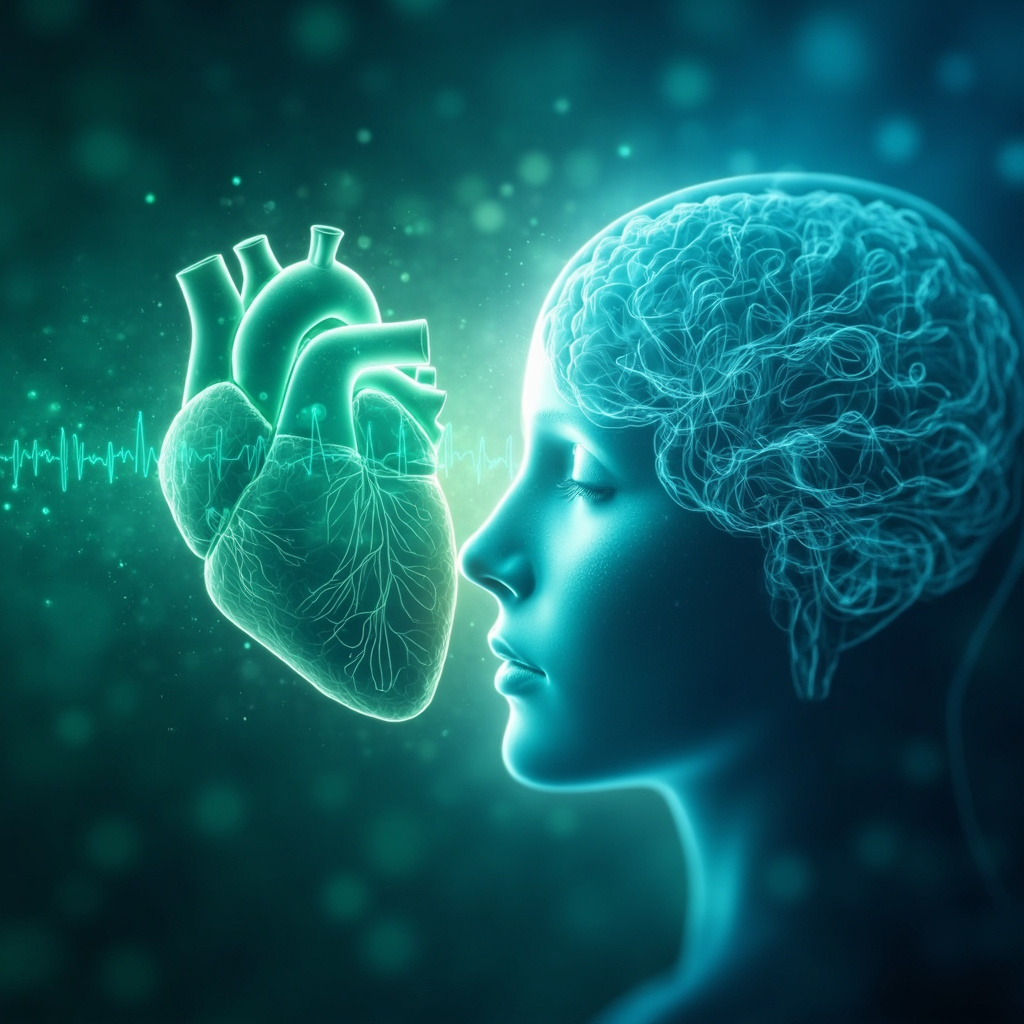
Motor neurons are your body's key to action. Located in the brain, spinal cord, and peripheral nerves, they carry signals from the central nervous system to muscles, enabling every step, reach, and gesture. When healthy, they ensure smooth, coordinated movement. For more details, see the Motor glossary.
What Motor Neurons Do
These neurons play crucial roles:
- Transmitting precise signals for voluntary movements
- Responding quickly to stimuli, like dodging an obstacle
- Supporting overall energy flow and body coordination
Issues here can lead to muscle weakness, poor coordination, or conditions like amyotrophic lateral sclerosis (ALS), where signals fail to reach muscles effectively.
The Emotional Side of Motor Neurons
Beyond physics, motor neurons reflect deep emotions. They link to sensations of being unable to escape a threatening or oppressive situation. Feelings of powerlessness, frustration, anger, or helplessness often surface when these neurons struggle. It's as if your body mirrors an inner sense of being stuck, unable to act or assert yourself.
Chronic stress amplifies this. Research shows stress disrupts motor cortex function, causing neurons to lose synapses-up to 15% in studies on mice. Stressed animals performed poorly on motor tasks, grasping objects only 10% of the time compared to 30% for unstressed ones. Even resilient individuals showed damage, hinting at long-term risks with repeated exposure.
Stress's Toll on Movement Centers
Stress activates microglia, the brain's cleanup cells, which mistakenly prune vital connections in motor areas. This hampers learning new movements and may contribute to neurodegenerative changes. In motor neuron diseases, emotional distress correlates with faster progression, creating a vicious cycle: stress weakens neurons, immobility heightens frustration, and so on.
As a psychologist, I see this mind-body link often. High agitation or low heart rate variability (HRV)-a marker of stress resilience-often pairs with motor imbalances, signaling emotional blocks.
Motor Neurons as Resources for Balance
Flip the script: treat motor neurons as allies. They promote action and mobility, distributing energy body-wide and aiding emotional release. Coordinated movement counters stagnation, fostering resilience.
When balanced, they help:
- Other systems through efficient physical responses
- Emotional regulation via purposeful activity
- Overall well-being by enabling expression
Steps to Nurture Your Motor Neurons
Support them with simple, evidence-based practices:
- Move mindfully: Yoga or walking breaks emotional inertia while strengthening signals.
- Breathe deeply: Slow breaths boost HRV, calming stress responses.
- Practice mindfulness: Focus on the present to dissolve feelings of entrapment.
- Monitor progress: Track HRV or movement ease to see improvements.
- Journal emotions: Name frustrations to reduce their grip on your body.
Techniques like cognitive behavioral therapy (CBT) or biofeedback further enhance regulation, objectively improving biomarkers over time.
Path to Freedom
By addressing emotional roots, you restore motor function and inner mobility. Stress may challenge these neurons, but awareness and action reclaim your power. Embrace movement as medicine for body and mind.
- 1. pmc.ncbi.nlm.nih.gov
- 2. psychiatryadvisor.com
- 3. freepik.com
- 4. frontiersin.org
- 5. pixabay.com
- 6. pmc.ncbi.nlm.nih.gov
- 7. frontiersin.org
- 8. pmc.ncbi.nlm.nih.gov
- 9. shutterstock.com
- 10. pmc.ncbi.nlm.nih.gov
- 11. pmc.ncbi.nlm.nih.gov
- 12. pmc.ncbi.nlm.nih.gov
- 13. pubmed.ncbi.nlm.nih.gov
- 14. onlinelibrary.wiley.com
- 15. sciencedirect.com
- 16. news-medical.net
- 17. sciencedirect.com
- 18. link.springer.com
- 19. vecteezy.com
- 20. gettyimages.com
- 21. sciencedirect.com
- 22. vcoy.virginia.gov
- 23. shutterstock.com
- 24. mdpi.com
- 25. pmc.ncbi.nlm.nih.gov
- 26. semanticscholar.org
- 27. mdpi.com
- 28. sciencedaily.com
- 29. nature.com
- 30. stock.adobe.com
- 31. frontiersin.org
- 32. sciencedirect.com
- 33. frontiersin.org
- 34. pmc.ncbi.nlm.nih.gov
- 35. marcoaltini.substack.com
- 36. pmc.ncbi.nlm.nih.gov
- 37. dreamstime.com
- 38. researchgate.net
- 39. researchgate.net
- 40. pmc.ncbi.nlm.nih.gov
- 41. journals.plos.org
- 42. hal.science
- 43. nzbri.org
- 44. sciencedirect.com
- 45. nature.com
- 46. sciencedirect.com
- 47. istockphoto.com
- 48. lonestarneurology.net
- 49. stock.adobe.com
- 50. scimex.org
- 51. nature.com
- 52. sciopen.com
Related posts
Glossary
- Energy and mind Structures > Focused Coherence; Focus
- Energy and mind Structures > Regulation
- Energy and mind Structures > Stagnation
- Body zones > muscles
- Body zones > nerves
- Body zones > motor
- TCM Recipes > Heart Health: Remedies for Anxiety and Palpitations
- TCM Recipes > Brain Boost: Clear Fog, Improve Focus & Memory
- Energy and mind Structures > movement
- Energy and mind Structures > Stress
- Binaural beats > Sclerosis: Balancing Energy for Physical Therapy Support
- Binaural beats > Spinal Cord Support: Enhance Wellness and Emotional Balance
- Binaural beats > Nervous System: A Program for Emotional Balance and Relaxation
- Stimuli > Lead
see also...
- Energy and mind Structures > HRV
- Energy and mind Structures > Body zones > motor
- Energy and mind Structures > TCM Recipes > Boost Energy: A Simple Remedy for Low Energy and Fatigue
- Testimonials > 61% Drop in Nausea and 58% in Headaches from Sound Therapy
- Binaural beats > Transmutation: A Sound Journey for Personal Change
- Binaural beats > Stimuli > Sacral, Zinc Etc