


ACTH: Key to Stress and Emotional Balance
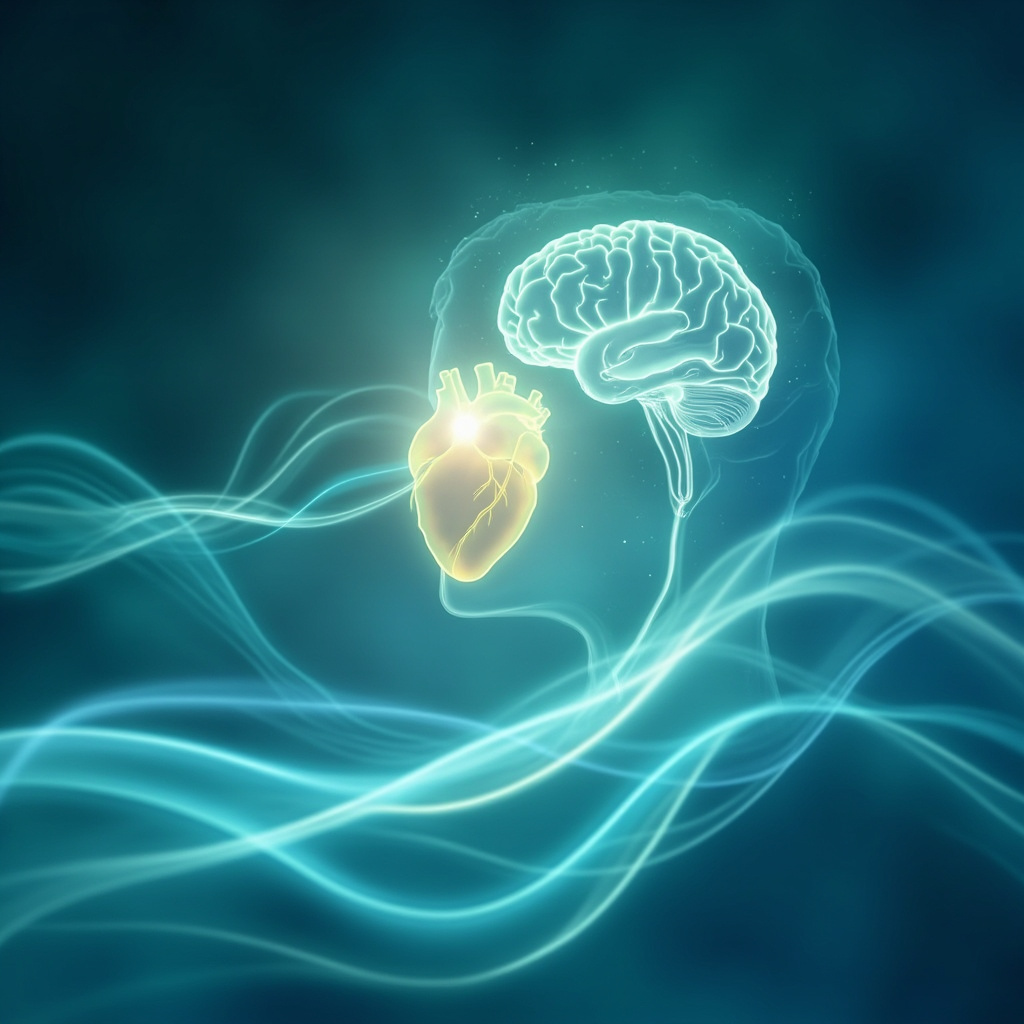
Adrenocorticotropic hormone, or ACTH, is a vital messenger in your body. Made in the front part of the pituitary gland in your brain, it travels to the adrenal glands above your kidneys. There, it prompts the release of cortisol, the main stress hormone. This process helps your body respond to challenges by boosting energy, supporting your immune system, and keeping blood sugar steady.
The Role of ACTH in Daily Life
When everything works well, ACTH ensures you can face daily pressures without breaking down. It ramps up during short-term stress, like a tight deadline or a surprise event, preparing you to act. Once the pressure eases, levels drop, allowing recovery. This rhythm keeps metabolism smooth, fights infections better, and maintains steady blood pressure.
Think of ACTH as a conductor in an orchestra. It coordinates your body's stress response so you stay alert but not exhausted. For more details on its home in the pituitary, see the ACTH glossary.
How Stress Activates ACTH
Stress starts in the brain. When you feel threatened, the hypothalamus releases a signal called CRH. This reaches the pituitary, sparking ACTH production. ACTH then heads to the adrenals, unleashing cortisol. Cortisol mobilizes resources: it breaks down fats and proteins for quick energy and tempers inflammation to prevent overreactions.
This chain is ancient, evolved for survival. A lion chase? ACTH surges to fuel escape. Modern stresses like traffic or arguments trigger it too, but without the physical outlet, constant activation wears you down.
Emotional Ties to ACTH
Feelings play a big part here. Chronic worry, fear of failure, or a sense of helplessness can keep the system revved up. Research shows higher ACTH levels in people with burnout syndrome, a state of deep exhaustion from prolonged stress. These individuals often report constant anxiety, emotional drain, and trouble coping.
In mental health, ACTH imbalances mirror inner turmoil. Too much signals the body is in perpetual alert mode, linked to disorders like anxiety and depression. Low levels might show exhaustion, as in adrenal fatigue, bringing deep tiredness and low mood. Emotions like overwhelm directly influence this hormone, creating a feedback loop where stress feeds hormone spikes, and spikes heighten stress.
Signs of ACTH Imbalance
Watch for these clues:
- High ACTH/Cortisol: Weight gain around the middle, high blood pressure, easy bruising, mood swings, weakened immunity.
- Low ACTH/Cortisol: Extreme fatigue, salt cravings, dizziness on standing, depression, slow healing.
These point to conditions like Cushing's syndrome (excess) or Addison's disease (deficit). Emotionally, they show as persistent threat feelings or helplessness.
ACTH as a Resource for Resilience
Balanced ACTH is your ally. It builds stress tolerance, steadying emotions and sharpening focus. In psychological work, tracking markers like ACTH alongside heart rate variability (HRV) reveals stress patterns. HRV, a measure of heartbeat flexibility, drops with chronic activation, signaling poor emotional regulation.
To support ACTH:
- Practice deep breathing to calm the chain.
- Engage in regular movement to burn off cortisol.
- Prioritize sleep, when rhythms reset.
- Use mindfulness to reframe worries.
These steps foster resilience, turning ACTH from stress signal to strength source.
Broader Connections
ACTH doesn't work alone. It ties into the full stress system, including HRV for overall balance. In assessments of electrical body activity, ACTH energy and agitation levels offer insights into emotional states. High agitation might urge attention to stressors; steady energy supports calm.
Building awareness of ACTH empowers you. It links body signals to mind states, guiding paths to inner peace and vitality.
- 1. pmc.ncbi.nlm.nih.gov
- 2. news.yale.edu
- 3. medicalxpress.com
- 4. pmc.ncbi.nlm.nih.gov
- 5. health.harvard.edu
- 6. pmc.ncbi.nlm.nih.gov
- 7. pmc.ncbi.nlm.nih.gov
- 8. pmc.ncbi.nlm.nih.gov
- 9. mountsinai.org
- 10. pmc.ncbi.nlm.nih.gov
- 11. frontiersin.org
- 12. theguardian.com
- 13. sciencedirect.com
- 14. pmc.ncbi.nlm.nih.gov
- 15. tandfonline.com
- 16. pmc.ncbi.nlm.nih.gov
- 17. mdpi.com
- 18. ncbi.nlm.nih.gov
- 19. academic.oup.com
- 20. clinicaltrials.gov
- 21. sciencedirect.com
- 22. pubmed.ncbi.nlm.nih.gov
- 23. pmc.ncbi.nlm.nih.gov
- 24. ncbi.nlm.nih.gov
- 25. prc.sph.umich.edu
- 26. pmc.ncbi.nlm.nih.gov
- 27. link.springer.com
- 28. science.org
Related posts
Glossary
- Energy and mind Structures > Focused Coherence; Focus
- Energy and mind Structures > Regulation
- Energy and mind Structures > Mental
- Energy and mind Structures > Peace
- Energy and mind Structures > Exhaustion
- Energy and mind Structures > Tolerance
- Energy and mind Structures > Immunity
- Body zones > glands
- Body zones > acth
- Body zones > kidneys
- Body zones > face
- TCM Recipes > Stress Relief for High Blood Pressure: A TCM Approach
- TCM Recipes > Heart Health: Remedies for Anxiety and Palpitations
- TCM Recipes > Brain Boost: Clear Fog, Improve Focus & Memory
- TCM Recipes > Adrenal Support: Remedies for Fatigue and Stress
- TCM Recipes > Herbal Relief: A TCM Approach to Lift Your Mood
- TCM Recipes > Boost Your Energy: A TCM Recipe for Fatigue Relief
- Energy and mind Structures > sleep
- Energy and mind Structures > vitality
- Energy and mind Structures > blood pressure
- Energy and mind Structures > movement
- Energy and mind Structures > Stress
- Stimuli > Cortisol
- Stimuli > Moon - Nasal Passage, Breathing, Taste
- Stimuli > Addison's Disease
- Binaural beats > Inflammation Relief: Heal Faster with Binaural Beats
- Binaural beats > Immune System Support: Enhancing Health with Sound Frequencies
- Stimuli > Blood
- Stimuli > GAPDH, Metabolism
see also...
- Energy and mind Structures > HRV
- Energy and mind Structures > Body zones > thoracic
- Energy and mind Structures > TCM Recipes > Tension Headache Relief: A Natural Approach to Ease Stress
- Testimonials > 61% Drop in Nausea and 58% in Headaches from Sound Therapy
- Binaural beats > Stimuli > Chakra Throat
- Binaural beats > Immune System Support: Enhancing Health with Sound Frequencies