


Adrenal Medulla: Fight-or-Flight Core
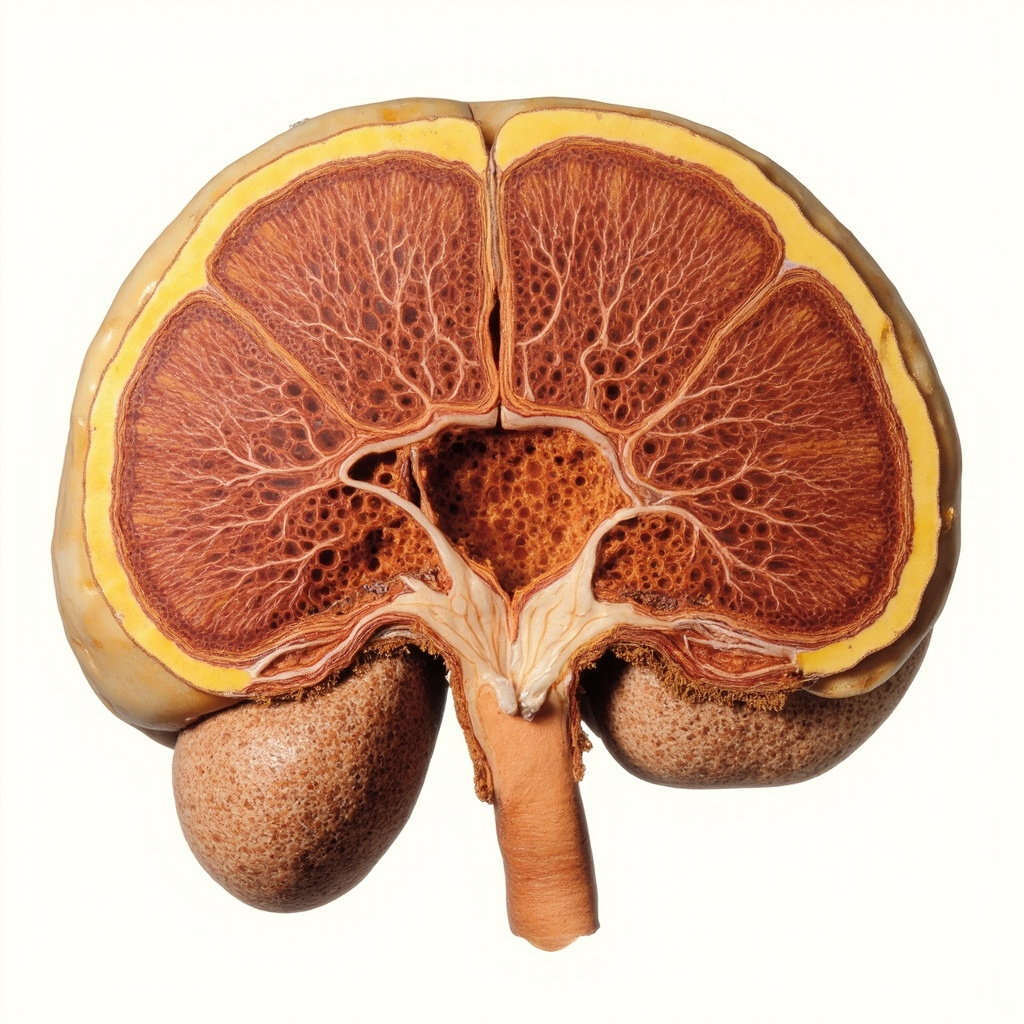
Nestled in the center of the adrenal glands, which sit atop your kidneys, the adrenal medulla acts as your body's rapid response center for stress. This small but powerful structure releases key hormones that prepare you to face challenges head-on. For more details, see the glossary entry.
How It Works
When danger appears-real or perceived-your brain signals the adrenal medulla to secrete adrenaline (epinephrine) and noradrenaline (norepinephrine). These hormones flood your bloodstream within seconds.
- Adrenaline delivers oxygen to muscles, raises heart rate and blood pressure, and sharpens focus.
- Noradrenaline boosts blood sugar for quick energy, narrows blood vessels, and aids memory, attention, and waking from sleep.
Together, they trigger the classic fight-or-flight response: heart pounds, breathing quickens, muscles tense, and senses heighten. Pain fades temporarily, strength surges-you're ready to act.
Emotional Ties
This response isn't just physical; it's deeply emotional. The adrenal medulla links to feelings of fear, threat, and constant alertness. In short bursts, it helps you escape danger or confront it, fostering survival.
But prolonged activation signals deeper issues:
- Hypervigilance: Always on guard, scanning for threats.
- Anxiety: Racing thoughts and restlessness from repeated surges.
- Chronic stress: Exhaustion when the system stays revved up.
Over time, this can wear down emotional stability, leading to irritability, poor focus, or even depression. As a psychologist, I see these patterns in clients with high stress biomarkers.
Signs of Imbalance
Rare conditions like pheochromocytoma-a tumor in the medulla-cause excessive hormone release. Symptoms include severe headaches, rapid heartbeat, high blood pressure, sweating, and nausea. These spikes mimic intense panic but stem from physical overdrive.
More commonly, lifestyle factors overstimulate it: endless deadlines, conflicts, or trauma. You might notice fatigue after the initial rush, poor sleep, or emotional volatility.
Heart rate variability (HRV) offers clues. Low HRV signals poor stress adaptation-your body struggles to shift from alert to calm. Adrenal medulla activity influences this, as constant catecholamine release disrupts rhythmic heart patterns key to resilience.
As a Strength
When balanced, the adrenal medulla serves as a resource. It energizes other body systems during tough times:
- Boosts heart and blood flow for vital organs.
- Heightens awareness to navigate emotions.
- Supports recovery by optimizing stress handling.
In therapy, we view it as an ally: channeling its power for motivation without burnout.
Paths to Balance
Support your adrenal medulla through daily practices:
Relaxation Techniques
- Deep breathing: Slow inhales (4 counts), holds (4), exhales (6) to dial down the response.
- Mindfulness: Notice surges without judgment, building regulation.
Lifestyle Shifts
- Regular exercise: Burns off excess hormones.
- Sleep routine: Restores reserves.
- Nutrition: Steady blood sugar prevents unnecessary triggers.
Track Progress Monitor HRV with apps or wearables. Rising variability means better emotional control. Combine with journaling: Note stress triggers and medulla-linked feelings like fear.
In my work, clients assessing stress biomarkers see shifts. High medulla activity often ties to unresolved anxiety; guiding attention to calm practices eases it. This mind-body link empowers lasting change.
Understanding the adrenal medulla reveals how stress weaves through body and mind. Harness it wisely for vitality and peace.
- 1. news.yale.edu
- 2. academic.oup.com
- 3. pmc.ncbi.nlm.nih.gov
- 4. medicalxpress.com
- 5. ebsco.com
- 6. fluidhealthandfitness.com
- 7. cedars-sinai.org
- 8. mayoclinic.org
- 9. pmc.ncbi.nlm.nih.gov
- 10. pmc.ncbi.nlm.nih.gov
- 11. upmc.com
- 12. my.clevelandclinic.org
- 13. nature.com
- 14. ncbi.nlm.nih.gov
- 15. pubmed.ncbi.nlm.nih.gov
- 16. pxdocs.com
- 17. zrtlab.com
- 18. pmc.ncbi.nlm.nih.gov
- 19. pubmed.ncbi.nlm.nih.gov
- 20. ncbi.nlm.nih.gov
- 21. pmc.ncbi.nlm.nih.gov
- 22. sciencedirect.com
- 23. news.asu.edu
- 24. mygrandstrandhealth.com
- 25. neurodivergentinsights.com
- 26. sciencedirect.com
- 27. pmc.ncbi.nlm.nih.gov
- 28. mdpi.com
- 29. pmc.ncbi.nlm.nih.gov
- 30. health.harvard.edu
- 31. youtube.com
- 32. ncbi.nlm.nih.gov
- 33. publichealth.columbia.edu
- 34. medium.com
- 35. mdpi.com
- 36. pmc.ncbi.nlm.nih.gov
- 37. ncbi.nlm.nih.gov
Related posts
Glossary
- Energy and mind Structures > oxygen
- Energy and mind Structures > Focused Coherence; Focus
- Energy and mind Structures > Regulation
- Energy and mind Structures > Structure
- Energy and mind Structures > Peace
- Energy and mind Structures > Exhaustion
- Energy and mind Structures > Memory
- Body zones > glands
- Body zones > medulla
- Body zones > hormones
- Body zones > kidneys
- Body zones > muscles
- Body zones > senses
- Body zones > face
- Energy and mind Structures > Organs
- TCM Recipes > Stress Relief for High Blood Pressure: A TCM Approach
- TCM Recipes > Heart Health: Remedies for Anxiety and Palpitations
- TCM Recipes > Brain Boost: Clear Fog, Improve Focus & Memory
- TCM Recipes > Adrenal Support: Remedies for Fatigue and Stress
- TCM Recipes > Herbal Relief: A TCM Approach to Lift Your Mood
- TCM Recipes > Boost Your Energy: A TCM Recipe for Fatigue Relief
- Energy and mind Structures > sleep
- Energy and mind Structures > vitality
- Energy and mind Structures > blood pressure
- Energy and mind Structures > Vital organs
- Energy and mind Structures > Stress
- Stimuli > Moon - Nasal Passage, Breathing, Taste
- Stimuli > AIDS
- Stimuli > Pain
- Stimuli > Burns
- Binaural beats > Trauma Healing: Binaural Beats for Emotional Balance
- Binaural beats > Blood Vessels & Arteries: Boost Circulation & Well-Being
- Stimuli > Blood
see also...
- Energy and mind Structures > HRV
- Energy and mind Structures > Body zones > thoracic
- Energy and mind Structures > TCM Recipes > Tension Headache Relief: A Natural Approach to Ease Stress
- Testimonials > 61% Drop in Nausea and 58% in Headaches from Sound Therapy
- Binaural beats > Stimuli > Variolinum
- Binaural beats > Blood Vessels & Arteries: Boost Circulation & Well-Being