


Brain White Matter: Wiring for Emotional Clarity
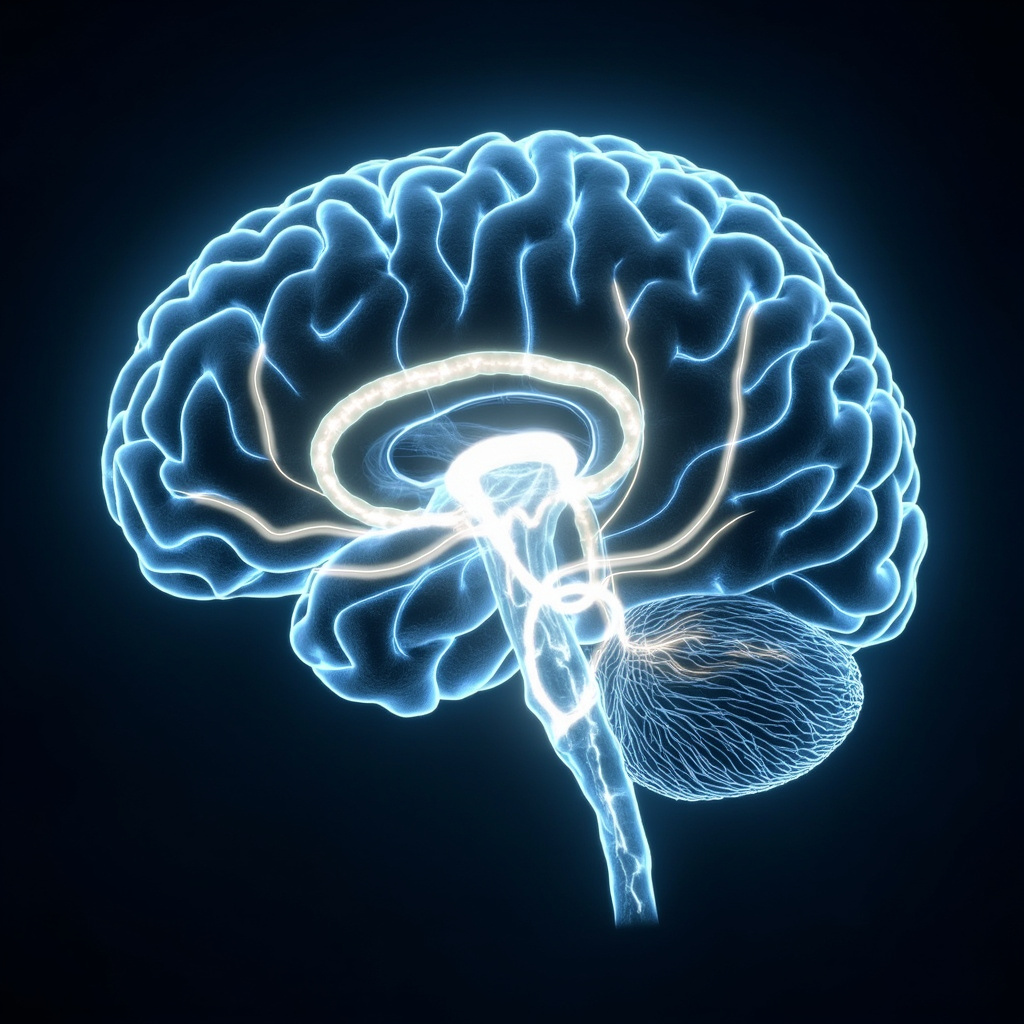
Understanding Brain White Matter
Deep inside the brain, beneath the outer gray layer, lies brain white matter. Think of it as a network of highways made from nerve fibers wrapped in a fatty coating called myelin. This coating acts like insulation on wires, speeding up electrical signals between brain areas. These connections are vital for everyday functions like thinking clearly, moving smoothly, and processing senses.Brain white matter
When healthy, white matter ensures quick and efficient communication. Information flows without delays, supporting memory, coordination, and quick responses to the world around us. Problems here can slow things down, leading to fuzzy thinking, shaky movements, or trouble sensing details.
Key Functions in Daily Life
White matter links different brain regions, much like roads connecting cities:
- Cognitive tasks: Helps with learning, problem-solving, and focus by tying together thinking centers.
- Motor skills: Coordinates muscles for balance, walking, or precise actions like writing.
- Sensory processing: Relays sights, sounds, and touches accurately for a clear picture of reality.
A strong white matter network keeps these systems in sync, making life feel fluid and responsive.
Emotional Links to White Matter
Emotions travel these pathways too. White matter helps integrate feelings with thoughts, creating a sense of inner connection. When it struggles, people might feel isolated, disconnected from others, or overwhelmed by confusion. Mental overload from constant stress can disrupt signal flow, mirroring emotional chaos.
As a psychologist, I see this often. Stress and unresolved emotional conflicts strain these connections, much like traffic jams on highways. Feelings of disconnection or poor self-expression often show up as agitation or low mood. Heart rate variability (HRV), a measure of nervous system balance, often dips alongside white matter issues, signaling reduced emotional resilience.
Recent research backs this. A 2025 study found white matter tract changes causally linked to risks for disorders like depression and anxiety (https://pmc.ncbi.nlm.nih.gov/articles/PMC12354733). Another showed early white matter wiring in infants predicts emotional growth, highlighting its lifelong role (https://www.news-medical.net/news/20250603/Early-brain-wiring-holds-clues-to-infant-emotional-development.aspx).
Signs of Imbalance
Watch for these common indicators:
- Mental fog: Trouble concentrating or remembering details.
- Emotional ups and downs: Sudden mood shifts or feeling detached.
- Physical clues: Clumsiness, slow reactions, or sensory overload.
- Stress buildup: Low energy, anxiety, or poor sleep, often tied to low HRV.
Chronic stress accelerates wear, as seen in studies on childhood adversity altering white matter structure. Early detection through biomarkers can guide support.
Using White Matter as a Strength
Healthy white matter shines as a resource. It boosts:
- Clear communication between brain areas for sharp cognition.
- Emotional integration, easing isolation and fostering resilience.
- Coordinated actions, blending mind and body seamlessly.
In practice, invoke it mentally: Picture these pathways lighting up, carrying calm signals. This builds clarity and connection.
Practical Steps from Psychology
Draw on proven strategies to nurture white matter:
- Mindfulness practices: Daily breathing or body scans reduce stress, improving signal flow. Studies show they enhance brain connectivity.
- HRV training: Simple biofeedback apps track and boost variability, signaling better emotional regulation.
- Movement: Walking or yoga strengthens motor pathways while lowering agitation.
- Social bonds: Meaningful talks combat disconnection, reinforcing emotional circuits.
- Rest: Quality sleep repairs myelin, vital for overnight recovery.
Track progress with agitation levels or focus. Over time, clients see measurable shifts in well-being.
For those with high stress or trauma patterns, combine these with therapy like cognitive behavioral techniques. White matter responds to consistent care, turning vulnerabilities into strengths.
Supporting your brain's wiring promotes not just mental sharpness, but emotional harmony. Small daily habits yield big clarity gains.
- 1. neurosciencenews.com
- 2. psypost.org
- 3. pmc.ncbi.nlm.nih.gov
- 4. nature.com
- 5. pmc.ncbi.nlm.nih.gov
- 6. pubmed.ncbi.nlm.nih.gov
- 7. pmc.ncbi.nlm.nih.gov
- 8. researchgate.net
- 9. mdpi.com
- 10. pubmed.ncbi.nlm.nih.gov
- 11. youtube.com
- 12. bbrfoundation.org
- 13. pmc.ncbi.nlm.nih.gov
- 14. psychiatryonline.org
- 15. pmc.ncbi.nlm.nih.gov
- 16. psychiatrist.com
- 17. pnas.org
- 18. mdpi.com
- 19. frontiersin.org
- 20. pmc.ncbi.nlm.nih.gov
- 21. mdpi.com
- 22. news-medical.net
- 23. sciencedirect.com
- 24. cdnsciencepub.com
- 25. pubmed.ncbi.nlm.nih.gov
- 26. psychiatry.pitt.edu
- 27. keck.usc.edu
- 28. link.springer.com
- 29. pmc.ncbi.nlm.nih.gov
- 30. news-medical.net
- 31. frontiersin.org
- 32. pubmed.ncbi.nlm.nih.gov
- 33. pubmed.ncbi.nlm.nih.gov
- 34. pubmed.ncbi.nlm.nih.gov
- 35. pubmed.ncbi.nlm.nih.gov
- 36. time.com
- 37. pmc.ncbi.nlm.nih.gov
- 38. neurology.org
- 39. sciencedirect.com
Related posts
Glossary
- Energy and mind Structures > Focused Coherence; Focus
- Energy and mind Structures > Regulation
- Energy and mind Structures > Structure
- Energy and mind Structures > Communication
- Energy and mind Structures > Mental
- Energy and mind Structures > Memory
- Body zones > muscles
- Body zones > senses
- Body zones > Brain white matter
- TCM Recipes > Heart Health: Remedies for Anxiety and Palpitations
- TCM Recipes > Brain Boost: Clear Fog, Improve Focus & Memory
- TCM Recipes > Herbal Relief: A TCM Approach to Lift Your Mood
- Energy and mind Structures > sleep
- Energy and mind Structures > Stress
- Stimuli > IGF1, Growth
- Stimuli > Moon - Nasal Passage, Breathing, Taste
- Binaural beats > Awakening Intuition: Enhance Self-Expression & Clarity
- Binaural beats > Trauma Healing: Binaural Beats for Emotional Balance
- Binaural beats > Nervous System: A Program for Emotional Balance and Relaxation
- Stimuli > Harmony
see also...
- Energy and mind Structures > HRV
- Energy and mind Structures > Body zones > Brain white matter
- Energy and mind Structures > TCM Recipes > Spleen Health: A Simple Recipe for Digestive Strength
- Testimonials > 61% Drop in Nausea and 58% in Headaches from Sound Therapy
- Binaural beats > Stimuli > Sacral, Zinc Etc
- Binaural beats > Transmutation: A Sound Journey for Personal Change