


Procrastination: Saboteur of Deep Sleep
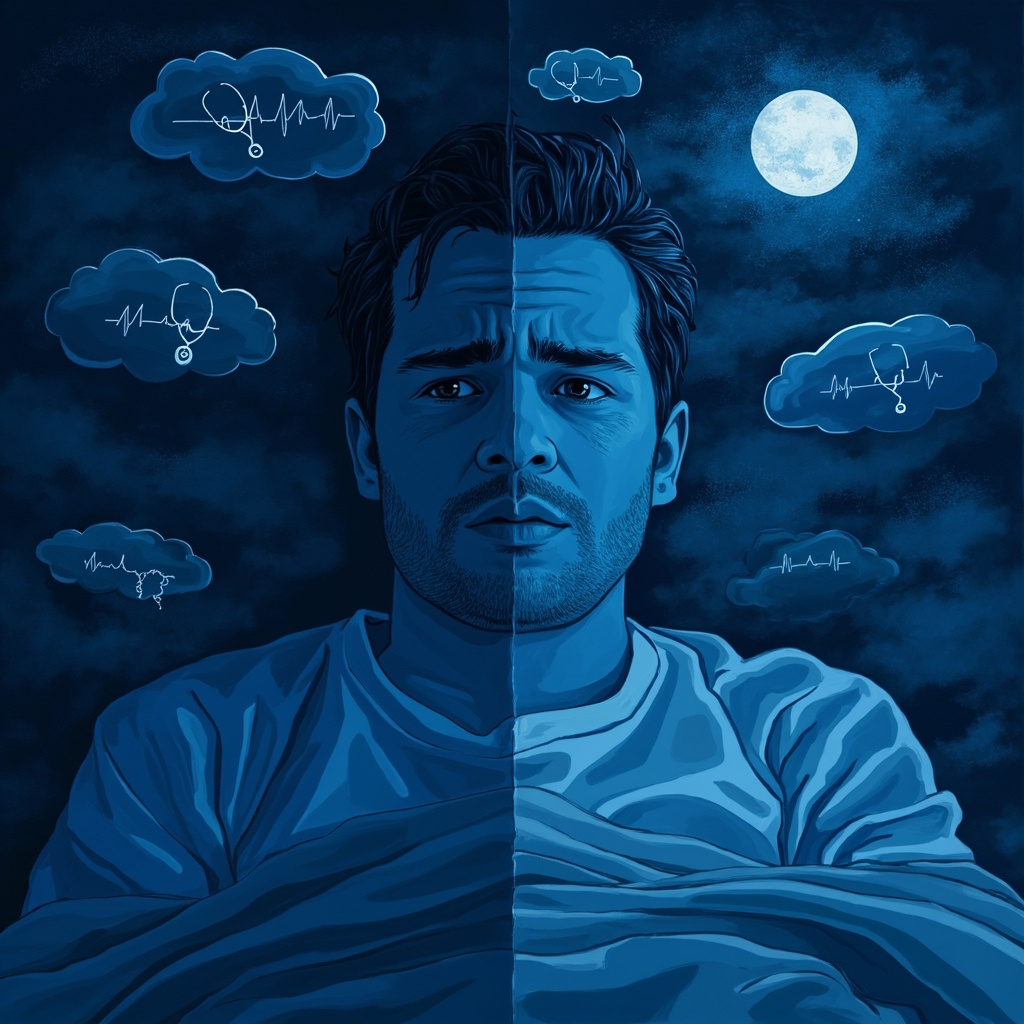
What Procrastination Reveals About You
Procrastination is more than just putting off tasks. It is that inner pull to delay action, often sparking guilt, stress, and anxiety. In body signal assessments, like those using electrical activity readings, procrastination appears as a distinct pattern. See the full details in our glossary entry on procrastination.
This pattern shows up in energy flow, agitation levels, and connections across mind and body. It highlights when you avoid discomfort for quick relief, sidelining bigger goals. But it also carries a message: pause and check what truly matters right now.
The Hidden Link to Poor Sleep
One big way procrastination hits is through bedtime procrastination. You know you need rest, yet you scroll, watch shows, or linger on small distractions late into the night. A recent survey found Americans lose over 300 hours of sleep yearly to this habit.
This delay shortens sleep time and worsens quality. It throws off your circadian rhythm, the body's natural clock for rest and wake cycles. Result? You wake tired, with low energy and foggy focus.
Studies link it to evening types who struggle more with early bedtimes. It fuels a cycle: late nights lead to daytime drag, then more avoidance to "catch up" on fun, repeating the loop.
Stress Hormones and Heart Signals
Procrastination ramps up cortisol, your main stress hormone. Evening spikes keep you wired when you should wind down. This harms heart rate variability (HRV), a key measure of recovery. Good HRV means your body shifts smoothly to rest mode; low HRV signals strain.
Breathing patterns suffer too. Shallow breaths from tension cut oxygen flow, mimicking mild apnea effects. Over time, this builds fatigue, weakens immunity, and clouds mood.
In assessments, high procrastination links to erratic energy restoration. Your body flags it as a priority, urging balance before it drags down deep sleep stages.
Procrastination as Your Inner Guide
Flip the view: procrastination can protect you. It buys time to reflect on true priorities, easing overload. Maybe that task waits because your body needs emotional or physical recharge first.
Used wisely, it redirects energy. Tune into it during quiet moments. Ask: What am I avoiding, and why? This builds clarity and self-development, paving better choices.
Steps to Restore Balance
Start small:
- Set a non-negotiable wind-down alarm 30 minutes before bed.
- Dim lights early to cue melatonin rise.
- Practice deep belly breaths: in for 4, hold 4, out for 6.
Targeted approaches help too. Resonance frequencies matched to procrastination patterns calm agitation. Guided journeys use words to engage it as a resource or ease it as a block. Micro-currents support real-time shifts.
Track progress with sleep logs. Note bedtime, wake time, and morning energy. Over weeks, expect steadier HRV, lower cortisol, and deeper recovery.
Procrastination whispers for alignment. Listen, balance it, and unlock restorative nights. Your body knows the way back to aligned sleep.
- 1. shineonlinehealth.com
- 2. pmc.ncbi.nlm.nih.gov
- 3. onlinelibrary.wiley.com
- 4. pure.fujita-hu.ac.jp
- 5. bannerhealth.com
- 6. medicalxpress.com
- 7. pmc.ncbi.nlm.nih.gov
- 8. academic.oup.com
- 9. ink.library.smu.edu.sg
- 10. mdpi.com
- 11. researchgate.net
- 12. tandfonline.com
- 13. researchgate.net
- 14. pmc.ncbi.nlm.nih.gov
- 15. sciencedirect.com
- 16. mdpi.com
- 17. frontiersin.org
- 18. frontiersin.org
- 19. sciencedirect.com
- 20. academic.oup.com
- 21. ink.library.smu.edu.sg
- 22. nypost.com
- 23. drkatsleep.com
- 24. health.mil
- 25. pmc.ncbi.nlm.nih.gov
- 26. nature.com
- 27. attheu.utah.edu
- 28. pmc.ncbi.nlm.nih.gov
- 29. nature.com
- 30. sleepfoundation.org
- 31. sleepfoundation.org
- 32. epublications.marquette.edu
- 33. pmc.ncbi.nlm.nih.gov
- 34. sciencedirect.com
- 35. medicalxpress.com
- 36. pubmed.ncbi.nlm.nih.gov
- 37. facebook.com
Related posts
Glossary
- Energy and mind Structures > oxygen
- Energy and mind Structures > Focused Coherence; Focus
- Energy and mind Structures > Procrastination
- Energy and mind Structures > Clock
- Energy and mind Structures > Immunity
- Body zones > hormones
- TCM Recipes > Heart Health: Remedies for Anxiety and Palpitations
- TCM Recipes > Boost Your Energy: A TCM Recipe for Fatigue Relief
- Energy and mind Structures > sleep
- Energy and mind Structures > Stress
- Stimuli > Cortisol
- Stimuli > Apnea
- Stimuli > Lead
- Stimuli > Melatonin