


Para-Sympathetic: Sleep's Rest Ally
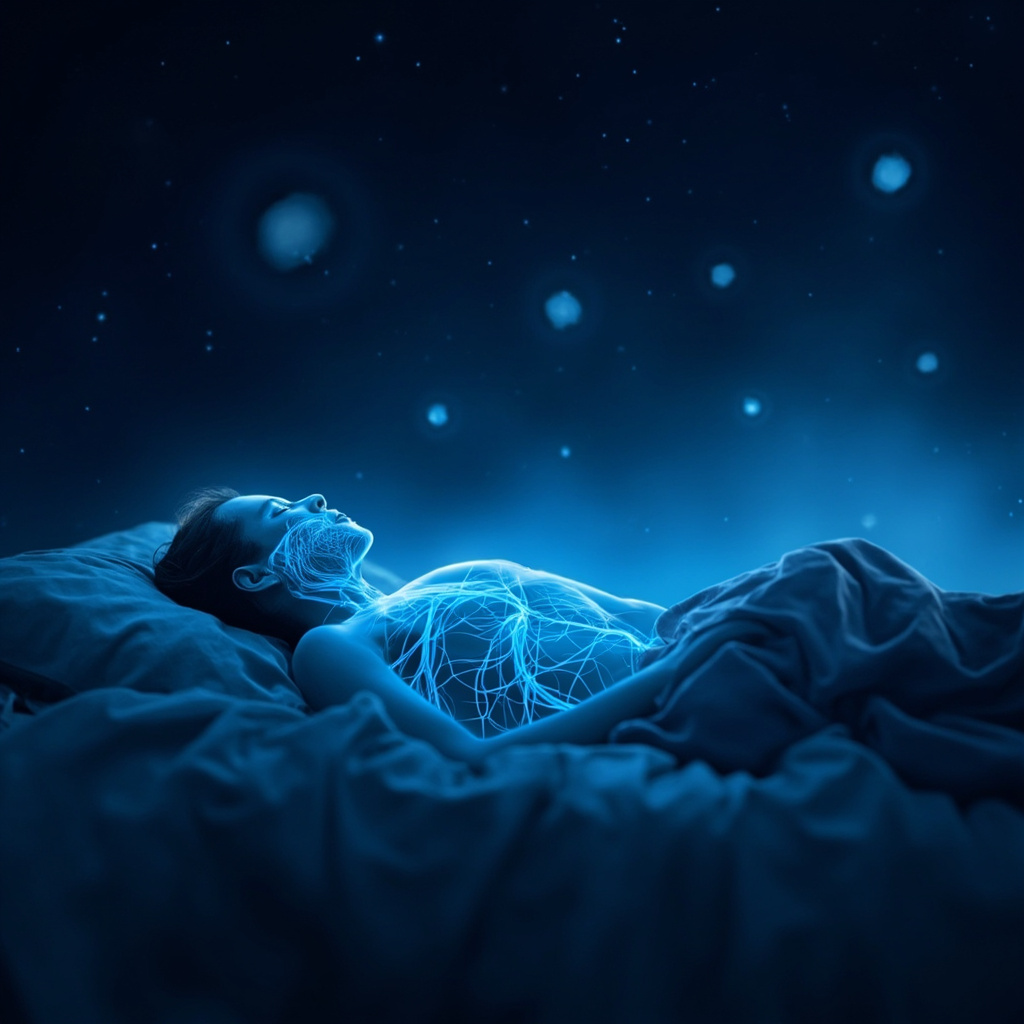
Your body has two main nervous systems: one for action and one for calm. The para-sympathetic system handles the calm side. It kicks in to help you relax, digest food, and recover after a busy day. Think of it as your inner brake pedal, slowing heart rate, easing breathing, and promoting healing. For more details, see the para-sympathetic system glossary.
Why It Powers Deep Sleep
During quality sleep, the para-sympathetic system takes charge. It boosts heart rate variability (HRV), a sign of flexible nervous system balance. High HRV means your body shifts smoothly between rest and activity, aligning with your natural circadian rhythm. This rhythm, driven by day-night cycles, relies on low evening cortisol (stress hormone) and rising melatonin for sleep onset.
When active, the para-sympathetic system:
- Slows your heart and breathing for deeper rest.
- Supports digestion and organ repair overnight.
- Reduces tension in muscles and mind.
- Enhances emotional calm, cutting nighttime worries.
Weak para-sympathetic activity shows in shallow sleep, frequent wakes, or morning fatigue. It links to high cortisol, low HRV, and disrupted breathing patterns like shallow breaths.
HRV: Window into Para-Sympathetic Health
HRV measures beat-to-beat changes in your heart. Higher variation signals strong para-sympathetic influence – ideal for sleep. Low HRV points to stress overload, predicting poor recovery.
In sleep coaching, I track these patterns:
- RMSSD and HF power: Direct para-sympathetic markers.
- Nightly trends: Show if sleep restores energy.
- Circadian shifts: Ensure cortisol dips at night.
Stable para-sympathetic flow means restorative sleep stages, where body and mind recharge.
Activating as a Sleep Resource
A healthy para-sympathetic system acts as a resource for healing and balance. It directs energy to organs, eases emotions, and fosters recovery. To engage it:
- Practice slow, deep belly breathing: Inhale for 4 counts, exhale for 6.
- Wind down with dim lights to support circadian cues.
- Use gentle stretches or meditation before bed.
These habits strengthen para-sympathetic tones, improving sleep depth over time.
Fresh Research on Pre-Sleep Clues
A 2025 study in Frontiers in Physiology found pre-bed HRV predicts chronic insomnia with 96% accuracy. Athletes with low para-sympathetic markers (like RMSSD) had longer wake times and less deep sleep. Boosting it via breathing improved continuity.
Key takeaway: "Enhanced parasympathetic activity... associated with the onset of sleep and a higher proportion of deep sleep."
This aligns with my focus: Tune para-sympathetic for circadian balance, better HRV, and true recovery. Stronger rest starts with this calm network.
- 1. youtube.com
- 2. medicaldialogues.in
- 3. journals.physiology.org
- 4. youtube.com
- 5. pmc.ncbi.nlm.nih.gov
- 6. youtube.com
- 7. nhlbi.nih.gov
- 8. pmc.ncbi.nlm.nih.gov
- 9. polar.com
- 10. autonomicneuroscience.com
- 11. ubiehealth.com
- 12. instagram.com
- 13. ahajournals.org
- 14. tmjandsleepsolutions.com
- 15. frontiersin.org
- 16. georgiachiropracticneurologycenter.com
- 17. journals.physiology.org
- 18. sciencedirect.com
- 19. frontiersin.org
- 20. sciencedirect.com
- 21. pmc.ncbi.nlm.nih.gov
- 22. sciencedirect.com
- 23. doaj.org
- 24. mayoclinic.org
- 25. tryterra.co
- 26. sciencedirect.com
- 27. ifm.org
- 28. my.clevelandclinic.org
- 29. psycnet.apa.org
- 30. cedars-sinai.org
- 31. charliehealth.com
- 32. pubmed.ncbi.nlm.nih.gov
- 33. pmc.ncbi.nlm.nih.gov
- 34. journals.physiology.org
- 35. soundsory.com
- 36. polar.com
- 37. pubmed.ncbi.nlm.nih.gov
- 38. pubmed.ncbi.nlm.nih.gov
- 39. britannica.com
- 40. sona.help
- 41. my.clevelandclinic.org
- 42. pmc.ncbi.nlm.nih.gov
- 43. vigory.ch
- 44. nature.com
- 45. frontiersin.org
- 46. pmc.ncbi.nlm.nih.gov
- 47. pnas.org
- 48. psychiatry.ucsf.edu
Related posts
Glossary
- Energy and mind Structures > Focused Coherence; Focus
- Energy and mind Structures > Relax
- Body zones > muscles
- Body zones > parasympathetic
- Energy and mind Structures > Organs
- TCM Recipes > Heart Health: Remedies for Anxiety and Palpitations
- TCM Recipes > Chronic Insomnia: A TCM Guide to Restful Sleep
- TCM Recipes > Boost Your Energy: A TCM Recipe for Fatigue Relief
- Energy and mind Structures > sleep
- Energy and mind Structures > Digestion
- Energy and mind Structures > Theta; 4.31-6.97 Hz. Light sleep, meditation.
- Energy and mind Structures > Stress
- Stimuli > Moon - Nasal Passage, Breathing, Taste
- Binaural beats > Nervous System: A Program for Emotional Balance and Relaxation
- Stimuli > Melatonin
see also...
- Energy and mind Structures > HRV
- Energy and mind Structures > Body zones > plasma
- Energy and mind Structures > TCM Recipes > Tension Headache Relief: A Natural Approach to Ease Stress
- Binaural beats > Stimuli > Melatonin
- Binaural beats > Transmutation: A Sound Journey for Personal Change
- Testimonials > 61% Drop in Nausea and 58% in Headaches from Sound Therapy