


Sympathetic System: Fight-or-Flight Sleep Ally
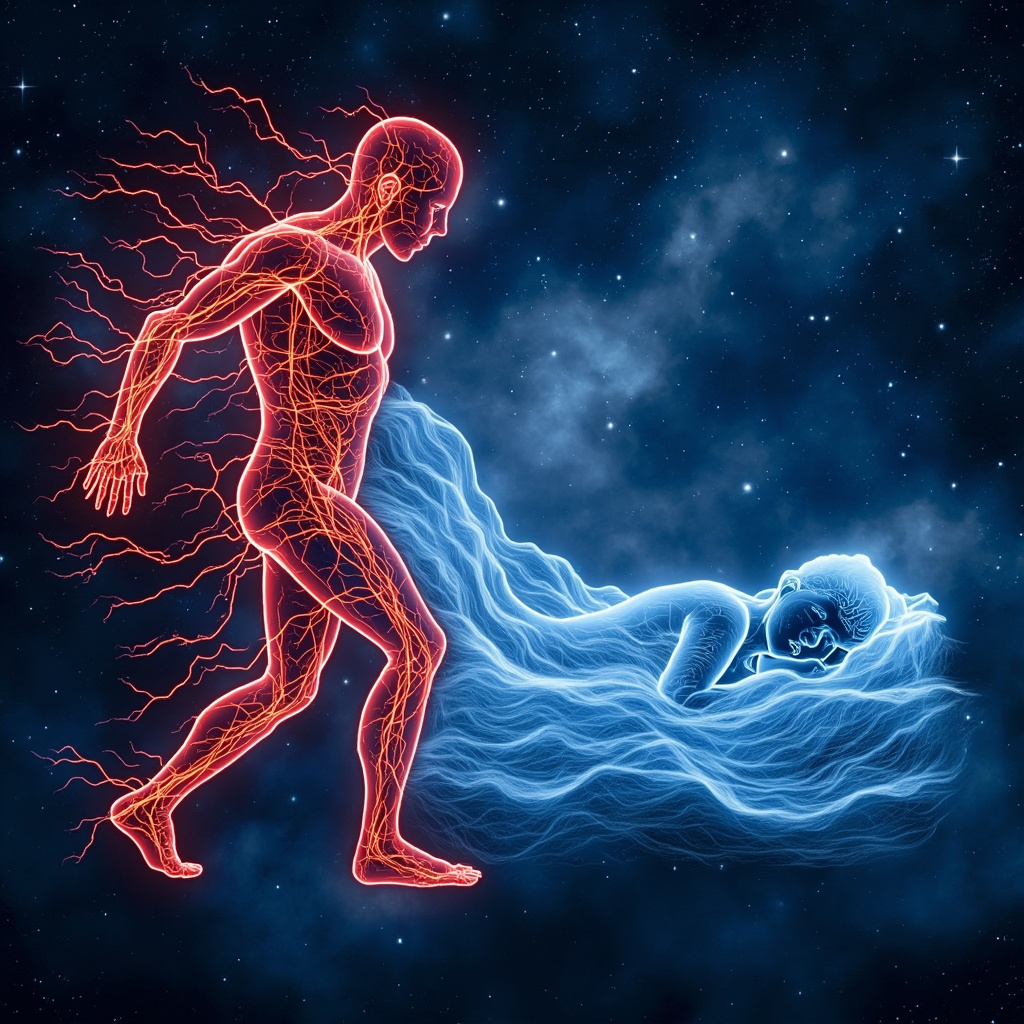
The sympathetic nervous system is your body's built-in alarm system. It springs into action during stress, preparing you to fight or flee. Heart rate speeds up, blood flows to muscles, and energy surges. This quick response helps you handle challenges, but it needs to calm down for restful sleep.
How It Works in Daily Life
Imagine rushing to meet a deadline. Your sympathetic system increases alertness, sharpens focus, and boosts circulation to vital organs like the heart and brain. Breathing quickens, and digestion pauses-priorities shift to survival. Once the threat passes, the opposite parasympathetic system takes over for rest and repair, often called 'rest and digest.'
This balance keeps you resilient. A well-tuned sympathetic system supports homeostasis, distributing energy efficiently and building strength against daily pressures.
Sympathetic Activity and Sleep Quality
At night, your body should downshift. Sympathetic activity quiets, allowing heart rate variability (HRV)-a sign of nervous system flexibility-to rise. Good HRV means smooth shifts between stress and calm, linked to deeper sleep stages where recovery happens.
Circadian rhythms guide this: cortisol peaks in the morning for wakefulness, then drops. High evening sympathetic tone disrupts this, leading to trouble falling asleep, frequent wakes, or shallow rest. Over time, it raises fatigue, weakens immunity, and hampers energy restoration.
Common signs of imbalance:
- Racing thoughts at bedtime
- Restless legs or night sweats
- Morning grogginess despite hours slept
- Low daytime energy
When It's Overactive: Sleep's Hidden Foe
Chronic stress keeps the sympathetic system revved. Poor sleep fuels a vicious cycle: sleep loss spikes sympathetic outflow, dropping HRV and mimicking constant threat. This strains the heart, elevates blood pressure, and blocks deep recovery.
Research shows links to insomnia and sleep apnea. For example, studies on sleep deprivation reveal heightened sympathetic neural activity, impairing autonomic balance. Women may face higher risks, with stronger ties to hypertension from short sleep.
Harnessing It as a Resource
A strong sympathetic system isn't the enemy-it's vital. When balanced, it enhances stress responses, improves oxygen delivery, and promotes resilience. It optimizes energy flow, aiding workout recovery or mental focus.
In personal guide sessions, directing attention to it as a resource builds awareness: 'Feel your inner strength mobilizing wisely, now easing into calm.' This fosters harmony.
Recent Insights on Sleep and Sympathetic Balance
A comprehensive review highlights how sleep issues like deprivation and disorders boost sympathetic activity. Direct measures, such as muscle sympathetic nerve activity, confirm elevations in insomnia and apnea. Continuous positive airway pressure therapy for apnea lowers it, improving sleep.
Newer 2025 studies echo this: sleep loss alters HRV, signaling sympathetic dominance and recovery deficits. Monitoring nighttime HRV variations predicts daily fluctuations, guiding better habits.
Practical Steps for Balance
Restore equilibrium with simple practices:
- Deep breathing: 4-7-8 pattern (inhale 4 seconds, hold 7, exhale 8) activates parasympathetic calm.
- Evening wind-down: Dim lights 1 hour before bed to align circadian rhythm.
- HRV tracking: Use wearables to spot patterns; aim for higher variability.
- Stress buffers: Walk in nature or journal gratitude to lower cortisol.
- Consistent sleep: 7-9 hours, same schedule, supports autonomic shifts.
As a sleep coach, I focus on these biomarkers. Balanced sympathetic activity unlocks restorative nights, boosting vitality and mood. Tune in to your body's signals for profound recovery.
- 1. pmc.ncbi.nlm.nih.gov
- 2. thecardiologyadvisor.com
- 3. youtube.com
- 4. japi.org
- 5. econtent.hogrefe.com
- 6. cmegeriatricmed.co.uk
- 7. pmc.ncbi.nlm.nih.gov
- 8. healio.com
- 9. academic.oup.com
- 10. mdpi.com
- 11. pnas.org
- 12. nejm.org
- 13. facebook.com
- 14. pubmed.ncbi.nlm.nih.gov
- 15. nature.com
- 16. pmc.ncbi.nlm.nih.gov
- 17. journals.physiology.org
- 18. pmc.ncbi.nlm.nih.gov
- 19. frontiersin.org
- 20. livity-app.com
- 21. instagram.com
- 22. frontiersin.org
- 23. ahajournals.org
- 24. nypost.com
- 25. journals.physiology.org
- 26. ajmc.com
- 27. facebook.com
- 28. ahajournals.org
- 29. nature.com
- 30. sciencedirect.com
- 31. reachlink.com
- 32. psycnet.apa.org
- 33. mdpi.com
- 34. pubmed.ncbi.nlm.nih.gov
- 35. sciencedirect.com
- 36. frontiersin.org
- 37. pmc.ncbi.nlm.nih.gov
Related posts
Glossary
- Energy and mind Structures > oxygen
- Energy and mind Structures > Focused Coherence; Focus
- Energy and mind Structures > Mental
- Energy and mind Structures > Immunity
- Body zones > muscles
- Body zones > parasympathetic
- Body zones > face
- Energy and mind Structures > Organs
- TCM Recipes > Circulation: Boost Energy and Warm Your Extremities
- TCM Recipes > Hypertension: Remedies for High Blood Pressure Relief
- TCM Recipes > Heart Health: Remedies for Anxiety and Palpitations
- TCM Recipes > Brain Boost: Clear Fog, Improve Focus & Memory
- TCM Recipes > Boost Your Energy: A TCM Recipe for Fatigue Relief
- Energy and mind Structures > sleep
- Energy and mind Structures > vitality
- Energy and mind Structures > blood pressure
- Energy and mind Structures > equilibrium
- Energy and mind Structures > Digestion
- Energy and mind Structures > Vital organs
- Energy and mind Structures > VLF; Sympathetic activity
- Energy and mind Structures > Stress
- Stimuli > Cortisol
- Stimuli > Moon - Nasal Passage, Breathing, Taste
- Binaural beats > Nervous System: A Program for Emotional Balance and Relaxation
- Stimuli > Apnea
- Stimuli > Harmony
- Stimuli > Blood
see also...
- Energy and mind Structures > HRV
- Energy and mind Structures > Body zones > thoracic
- Energy and mind Structures > TCM Recipes > Tension Headache Relief: A Natural Approach to Ease Stress
- Binaural beats > Stimuli > Variolinum
- Binaural beats > Transmutation: A Sound Journey for Personal Change
- Testimonials > 61% Drop in Nausea and 58% in Headaches from Sound Therapy