


The Sympathetic System: Balancing Your Body's Alertness
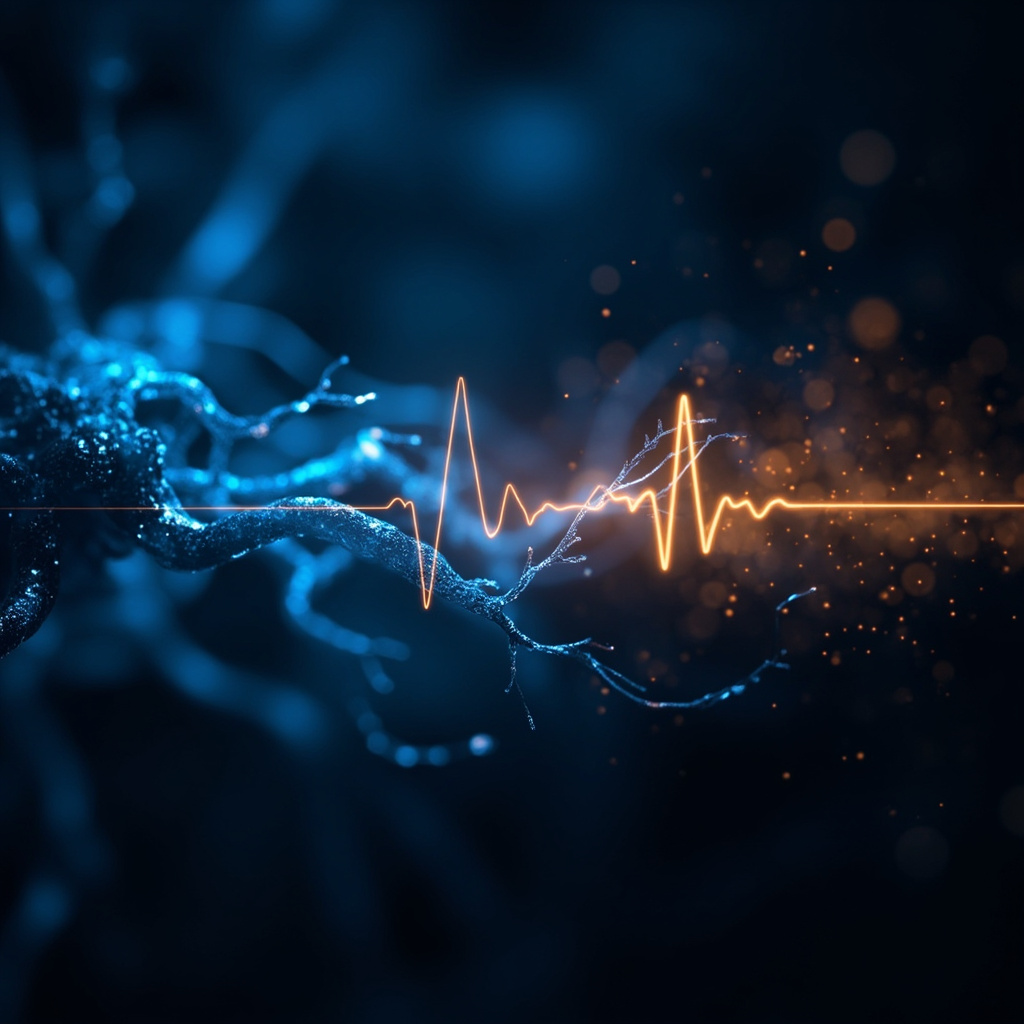
As a sleep coach, I often speak about the need to wind down. However, true balance in our body is not just about relaxation; it is about the elegant dance between resting and doing. At the center of this dance is the sympathetic nervous system, a vital network that acts as your body's internal alarm and mobilization system.
Understanding Your Internal Alarm
Think of the sympathetic nervous system as your body's fight-or-flight response. Located primarily along your spinal cord, this system is designed to help you survive. When you face a challenge, it kicks into gear: it speeds up your heart rate, dilates your airways to bring in more oxygen, and releases stored energy to help you react quickly. It is an amazing biological tool that ensures you can handle immediate threats or high-pressure situations.
In our modern world, however, this system often stays switched on for too long. When we are constantly juggling deadlines, digital notifications, or emotional stressors, the alarm never truly turns off. This prolonged state of alertness can lead to issues like chronic stress, high blood pressure, and digestive discomfort. Even when you try to sleep, your body may still feel like it is running a marathon, making it difficult to achieve the deep recovery you need.
Moving from Stress to Resource
It is important to understand that the sympathetic system is not your enemy. In fact, when it works in harmony with your body, it is a powerful resource. It supports other organs by ensuring they have the energy and blood flow they need to function optimally during demanding times. The goal is not to eliminate this system, but to train it to be responsive rather than reactive.
When we analyze electrical activity, we often look at how this system behaves. If it is stuck in a state of high tension, it signals to the rest of the body that it is time to be on guard. By identifying these patterns, we can use specific resonance frequencies to help the body find its natural rhythm again. This is similar to tuning an instrument; we are guiding the sympathetic nerves back to their intended function of supporting your vitality rather than draining it.
Finding Your Balance
If you find yourself feeling constantly anxious, fearful, or unable to switch off at night, your sympathetic system may be overactive. Here are a few ways to begin recalibrating:
- Mindful Awareness: Start by noticing when you feel that sudden spike of tension. Is it a real threat, or just a stressful thought? Simply naming the feeling can help lower the intensity.
- Breathwork: Since the sympathetic system controls your heart rate and breathing, you can use your breath to communicate back to it. Slow, deep exhales act as a signal that the 'threat' has passed, helping to shift the balance toward a calmer state.
- Targeted Recovery: Support your body with restorative activities that specifically address electrical balance. Using personalized frequencies can help harmonize this system, allowing your nerves to move out of a constant state of emergency.
By learning to work with your sympathetic nervous system, you turn a potential source of stress into a tool for resilience. When you provide your body with the right cues, you reclaim your ability to be alert when necessary and deeply calm when it is time to recover. This is the foundation of long-term vitality and better sleep.
Related posts
Glossary
- Energy and mind Structures > oxygen
- Body zones > nerves
- Body zones > sympathetic
- Body zones > face
- Energy and mind Structures > Organs
- TCM Recipes > Stress Relief for High Blood Pressure: A TCM Approach
- TCM Recipes > Digestive Relief: A Simple Guide to Ease Bloating & Indigestion
- TCM Recipes > Heart Health: Remedies for Anxiety and Palpitations
- Energy and mind Structures > sleep
- Energy and mind Structures > vitality
- Energy and mind Structures > blood pressure
- Energy and mind Structures > Stress
- Stimuli > Moon - Nasal Passage, Breathing, Taste
- Binaural beats > Foundation of Security: Enhance Serenity and Well-Being
- Binaural beats > Spinal Cord Support: Enhance Wellness and Emotional Balance
- Binaural beats > Nervous System: A Program for Emotional Balance and Relaxation
- Stimuli > Lead
- Stimuli > Harmony
- Stimuli > Blood
see also...
- Energy and mind Structures > HRV
- Energy and mind Structures > Body zones > thoracic
- Energy and mind Structures > TCM Recipes > Tension Headache Relief: A Natural Approach to Ease Stress
- Testimonials > 61% Drop in Nausea and 58% in Headaches from Sound Therapy
- Binaural beats > Stimuli > Variolinum
- Binaural beats > Transmutation: A Sound Journey for Personal Change