


Intercostal Muscles: Breath for Deep Sleep
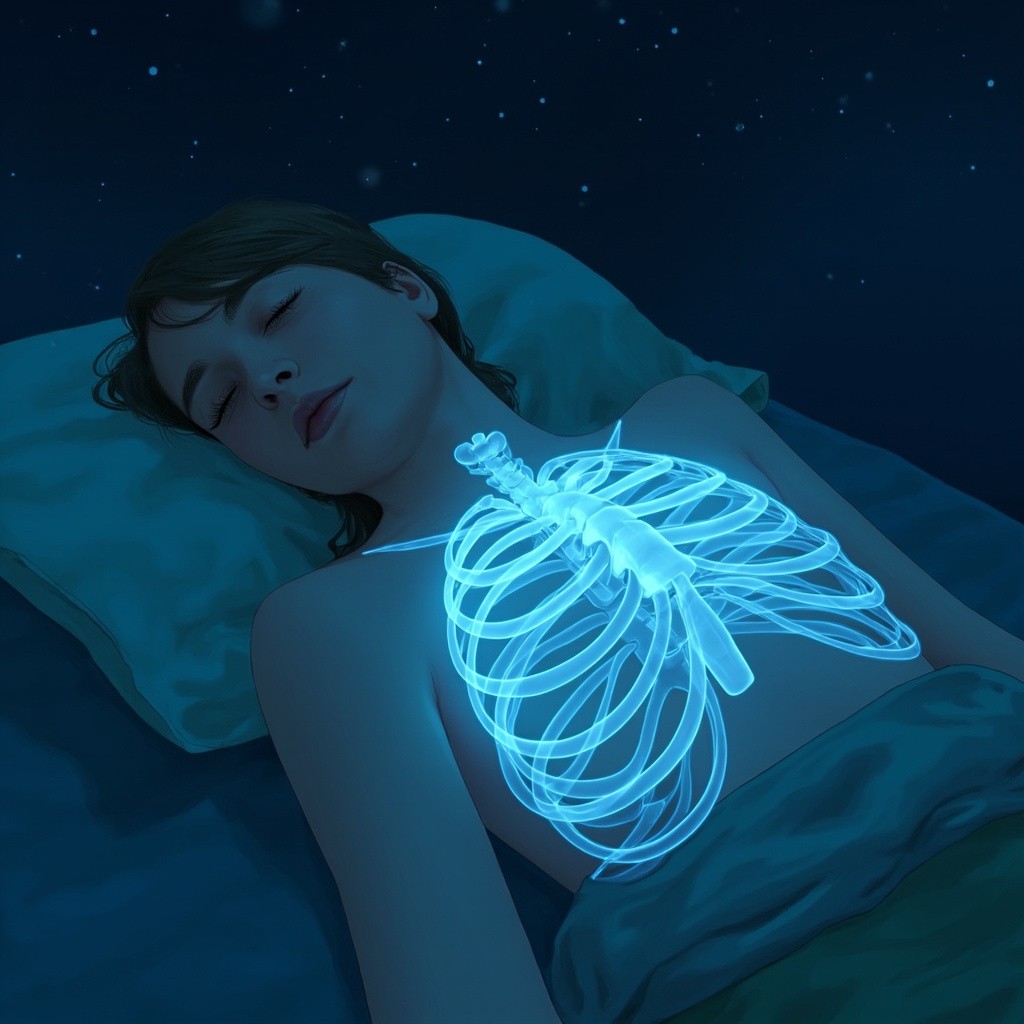
Breathing's Unsung Heroes
The intercostal muscles nestle between your ribs, expanding your chest with each inhale and aiding the gentle release on exhale. They ensure fresh oxygen floods your body, fueling every cell for daily vitality. Without their smooth action, breaths become shallow, leaving you winded even at rest. See the intercostal glossary for a deeper look.
These muscles team up with your diaphragm, the main breathing engine, to create full, efficient ventilation. During quiet moments, they keep oxygen levels steady, supporting heart rhythm and nerve calm-essentials for slipping into deep sleep.
Vital Link to Restorative Sleep
Sleep thrives on steady breath. In deep stages, your body repairs tissues, balances hormones like cortisol, and boosts heart rate variability (HRV)-a sign of resilient recovery. Intercostal muscles stay active, even in REM sleep phases, preventing shallow breathing that fragments rest.
Research shows respiratory muscles, including intercostals, influence sleep quality. A 2025 study found breathing exercises strengthened these muscles, cutting sleep apnea episodes and deepening rest by improving oxygenation. Better breath means less wakefulness, higher HRV, and aligned circadian rhythms for morning energy.
Poor intercostal function mimics sleep disruptors: tossing from breathlessness, low oxygen spiking stress hormones, eroding overnight recovery. Think of them as gates to profound, biologically tuned sleep.
Signs of Strain and Sleep Sabotage
Tight or weak intercostals signal trouble:
- Shallow breaths, chest tightness during relaxation attempts.
- Worsened fatigue, as oxygen dips hinder energy restoration.
- Nightly awakenings, mistaking breath effort for heart unease.
Strain often stems from overuse-coughing fits, heavy lifting-or subtle habits like hunching under pressure. This disrupts sleep architecture, shortening deep phases where HRV rebounds and vitality rebuilds.
Emotional Shadows on Breath
Feelings weigh on flesh. Intercostal muscles tense with sensations of being trapped, suffocated by duties, or starved for space. Fear of clash or bottled words clench them, turning breath into a struggle. Emotional stress elevates cortisol, rigidifying muscles and blocking parasympathetic calm-the rest-and-digest mode for sleep onset.
Unresolved burdens mirror in biomarkers: agitation in electrical patterns, linking nerves, lungs, and mood. Freeing these emotions eases muscle grip, inviting fuller breaths and serene nights.
Calling on Intercostals as Allies
When balanced, intercostals nourish the whole body:
- Deliver oxygen to heart, brain, and glands for hormonal harmony.
- Ease emotional restriction, fostering space for inner peace.
- Stabilize chest for steady HRV, key to stress rebound and circadian sync.
In assessments of body electrical activity, strong intercostal biomarkers predict robust sleep. They guide priorities toward breath freedom, using resonance to harmonize energy flow.
Steps to Breathe into Deeper Rest
Reclaim your breath with simple practices:
- Slow inhales: Lie back, hand on chest, expand ribs fully over 4 counts, hold 4, exhale 6. Builds intercostal strength, lifts HRV.
- Side sleep support: Uninjured side with knee pillow keeps torso open, eases strain.
- Evening wind-down: Dim lights early, sip chamomile-supports melatonin without cortisol spikes.
- Mindful release: Visualize ribs unfolding like wings, shedding 'trapped' weight.
A 2025 Frontiers review confirms: 5 weeks of such training curbs apneas, enhances depth. Pair with consistent bedtimes for circadian lock-in.
Strong intercostals unlock sleep's full promise: restored energy, steady nerves, vibrant days. Breathe easy, sleep deeply.
- 1. pubmed.ncbi.nlm.nih.gov
- 2. paininjuryrelief.com
- 3. my.clevelandclinic.org
- 4. pubmed.ncbi.nlm.nih.gov
- 5. journals.physiology.org
- 6. semanticscholar.org
- 7. integrishealth.org
- 8. my.clevelandclinic.org
- 9. hingehealth.com
- 10. pubmed.ncbi.nlm.nih.gov
- 11. pmc.ncbi.nlm.nih.gov
- 12. pmc.ncbi.nlm.nih.gov
- 13. frontiersin.org
- 14. researchgate.net
- 15. goodrx.com
- 16. frontiersin.org
- 17. mdpi.com
- 18. pubmed.ncbi.nlm.nih.gov
- 19. pubmed.ncbi.nlm.nih.gov
- 20. superpower.com
- 21. sleepfoundation.org
- 22. pubmed.ncbi.nlm.nih.gov
- 23. casper.com
- 24. frontiersin.org
- 25. mdpi.com
- 26. sleepmedres.org
- 27. youtube.com
- 28. goodrx.com
- 29. pmc.ncbi.nlm.nih.gov
- 30. medicalnewstoday.com
- 31. researchgate.net
- 32. publications.ersnet.org
- 33. erofmesquite.com
- 34. pmc.ncbi.nlm.nih.gov
- 35. ubiehealth.com
Related posts
Glossary
- Energy and mind Structures > oxygen
- Energy and mind Structures > Peace
- Body zones > glands
- Body zones > hormonal
- Body zones > hormones
- Body zones > lungs
- Body zones > muscles
- Body zones > intercostal
- Body zones > nerves
- Body zones > parasympathetic
- Body zones > respiratory
- Body zones > tissues
- Body zones > chest
- TCM Recipes > Heart Health: Remedies for Anxiety and Palpitations
- TCM Recipes > Brain Boost: Clear Fog, Improve Focus & Memory
- TCM Recipes > Boost Your Energy: A TCM Recipe for Fatigue Relief
- Energy and mind Structures > sleep
- Energy and mind Structures > vitality
- Energy and mind Structures > Stress
- Stimuli > Cortisol
- Stimuli > Moon - Nasal Passage, Breathing, Taste
- Stimuli > Apnea
- Stimuli > Harmony
- Stimuli > Melatonin
see also...
- Energy and mind Structures > HRV
- Energy and mind Structures > Body zones > substantia nigra
- Energy and mind Structures > TCM Recipes > Tension Headache Relief: A Natural Approach to Ease Stress
- Testimonials > 61% Drop in Nausea and 58% in Headaches from Sound Therapy
- Binaural beats > Stimuli > Melatonin