


Lung Valves: Oxygen Keys to Deep Sleep
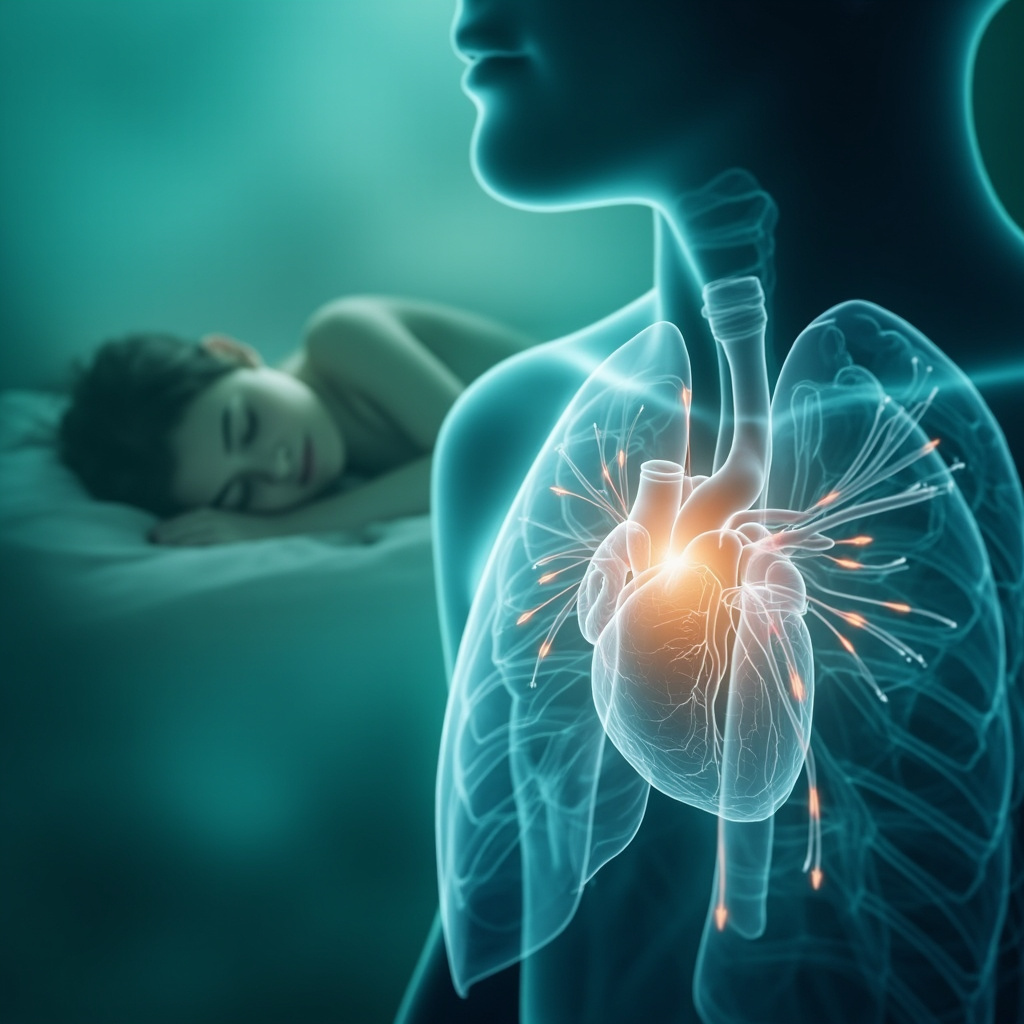
Your heart pumps blood through special doorways called pulmonary valves, located between the right ventricle and the pulmonary artery leading to the lungs. These valves open to let oxygen-poor blood reach the lungs and close to stop it from flowing backward. When they work well, your body gets the oxygen it needs for energy and recovery. For more details, see our glossary on valves.
Why Lung Valves Matter for Sleep
Poor valve function can narrow the pathway or let blood leak back, raising pressure in the lungs. This leads to common signs like shortness of breath during activity, ongoing fatigue, and even chest discomfort. These problems make it hard to relax into deep sleep. You might wake up gasping or feel too tired to fall asleep deeply.
In sleep coaching, I often see how breathing patterns tie to rest quality. Limited oxygen flow disrupts heart rate variability (HRV), a key measure of your body's recovery during sleep. Low oxygen stresses the system, spiking cortisol levels at night when they should drop for repair. Over time, this creates a cycle: poor sleep worsens fatigue, which strains the valves more.
Studies show people with valve issues face higher risks of sleep-disordered breathing, like pauses in breath that fragment rest. Simple fatigue from low oxygen can cut your deep sleep stages, leaving you unrefreshed.
Emotional Side of Lung Valves
Our bodies hold emotions in physical spots. Lung valves often link to feelings of unresolved grief, deep sadness, or fear around loss. These heavy emotions may tighten the chest and affect blood flow, mirroring inner turmoil. If you've carried sorrow from a big change or goodbye, it might show up as breath struggles or tiredness that lingers into bedtime.
Releasing these feelings through gentle inner work can ease physical tension. Breathing deeply while acknowledging sadness helps the valves flow better, supporting calmer nights.
Lung Valves as Your Sleep Ally
When strong, these valves act as resources. They ensure steady oxygen to lungs, boosting overall vitality and aiding other organs. Good flow restores energy overnight, balances circadian rhythms, and steadies stress hormones like cortisol and melatonin.
In assessments of body electrical activity, we spot valve biomarkers-energy levels, agitation, and connections. Balanced valves show smooth rhythms, linking to better HRV and recovery.
To support them:
- Practice slow belly breaths before bed to ease valve pressure and invite oxygen.
- Walk in fresh air to strengthen heart-lung teamwork without strain.
- Note evening emotions; journal grief to lighten the load on your chest.
- Aim for consistent sleep times to align your body's natural clock.
Using targeted resonances tuned to valve frequencies can harmonize their function, much like a key turning a lock. This promotes fluid blood movement, deeper breaths, and restorative sleep.
Healthy lung valves bridge heart and lungs, fueling nights of true renewal. Tune into yours for the vitality you deserve.
- 1. heart.org
- 2. youtube.com
- 3. mayoclinic.org
- 4. facebook.com
- 5. acc.org
- 6. wexnermedical.osu.edu
- 7. heartsurgeryinfo.com
- 8. pennmedicine.org
- 9. pmc.ncbi.nlm.nih.gov
- 10. lung.org
- 11. rifetherapies.com
- 12. yalemedicine.org
- 13. copdfoundation.org
- 14. jacc.org
- 15. sleepapnea.org
- 16. pubmed.ncbi.nlm.nih.gov
- 17. pmc.ncbi.nlm.nih.gov
- 18. dicardiology.com
- 19. pmc.ncbi.nlm.nih.gov
- 20. heartvalvehealth.co.uk
- 21. isbe.net
- 22. pmc.ncbi.nlm.nih.gov
- 23. heart.org
- 24. youtube.com
- 25. youtube.com
- 26. jamanetwork.com
- 27. inova.org
- 28. youtube.com
- 29. youtube.com
- 30. pulmonx.com
- 31. jag.journalagent.com
- 32. uofmhealthsparrow.org
- 33. music.youtube.com
- 34. pubmed.ncbi.nlm.nih.gov
- 35. onlinelibrary.wiley.com
- 36. sciencedirect.com
- 37. respiratory-therapy.com
- 38. bhf.org.uk
- 39. singingriverhealthsystem.com
- 40. instagram.com
- 41. childrenshospital.org
- 42. music.youtube.com
- 43. respiratory-therapy.com
- 44. almoosahealthgroup.org
- 45. instagram.com
- 46. facebook.com
- 47. consultqd.clevelandclinic.org
- 48. open.spotify.com
- 49. youtube.com
Related posts
Glossary
- Energy and mind Structures > oxygen
- Energy and mind Structures > Sadness
- Energy and mind Structures > Grief
- Energy and mind Structures > Clock
- Energy and mind Structures > Relax
- Body zones > hormones
- Body zones > lungs
- Body zones > valves
- Body zones > chest
- Body zones > face
- Energy and mind Structures > Organs
- TCM Recipes > Heart Health: Remedies for Anxiety and Palpitations
- TCM Recipes > Lung Support: A TCM Recipe for Respiratory Health
- TCM Recipes > Boost Your Energy: A TCM Recipe for Fatigue Relief
- Energy and mind Structures > sleep
- Energy and mind Structures > vitality
- Energy and mind Structures > movement
- Energy and mind Structures > Stress
- Stimuli > Cortisol
- Stimuli > Moon - Nasal Passage, Breathing, Taste
- Binaural beats > Blood Vessels & Arteries: Boost Circulation & Well-Being
- Stimuli > Blood
- Stimuli > Melatonin
see also...
- Energy and mind Structures > HRV
- Energy and mind Structures > Body zones > thoracic
- Energy and mind Structures > TCM Recipes > Tension Headache Relief: A Natural Approach to Ease Stress
- Testimonials > 61% Drop in Nausea and 58% in Headaches from Sound Therapy
- Binaural beats > Stimuli > Melatonin
- Binaural beats > Blood Vessels & Arteries: Boost Circulation & Well-Being