


Allergy-Induced Asthma Biomarker: Herbal Paths
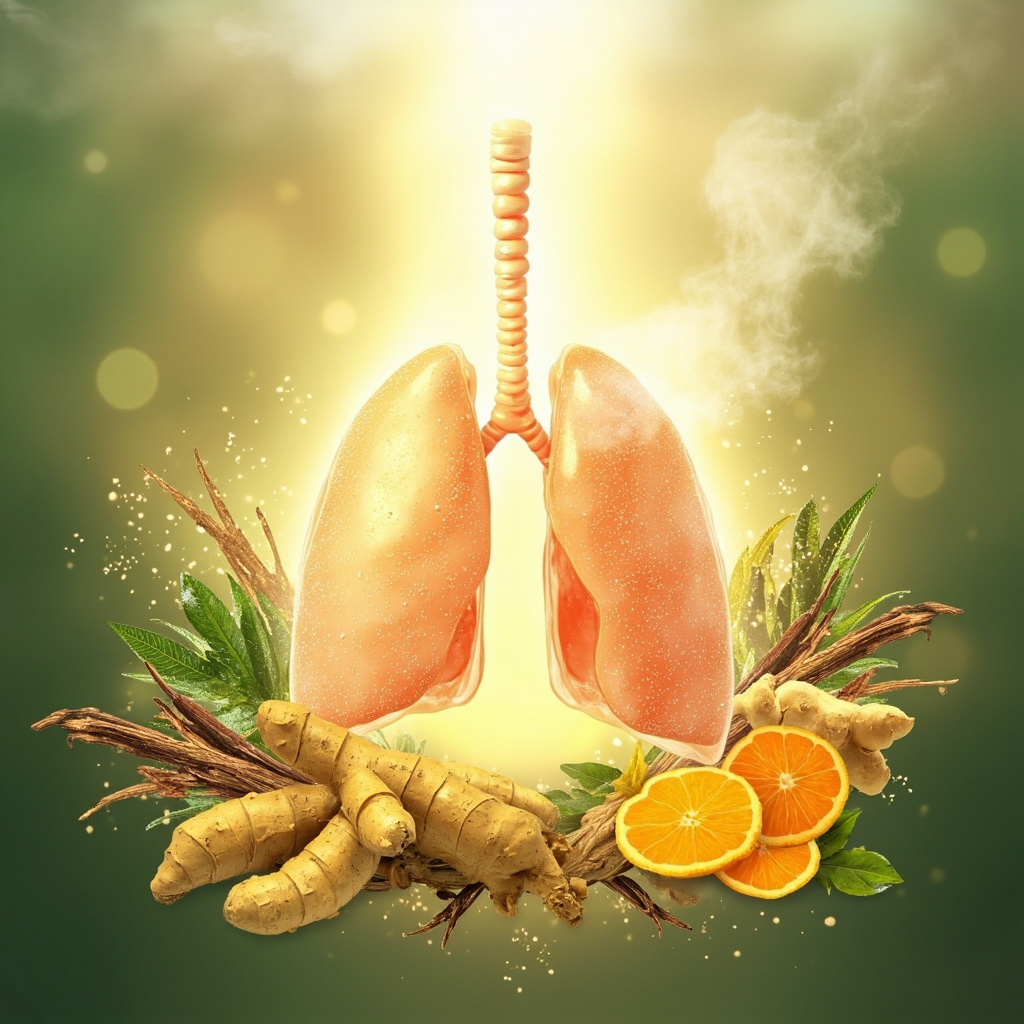
Recognizing Allergy-Induced Asthma
Allergy-induced asthma happens when everyday allergens like pollen, dust mites, or pet dander provoke the airways to swell and narrow. This leads to common signs such as wheezing, a feeling of chest tightness, coughing, and shortness of breath, especially at night or during allergen exposure. These episodes can range from mild discomfort to severe attacks needing quick relief.
Triggers often include seasonal changes, mold, or even strong smells. The body's immune response overreacts, releasing chemicals that inflame the lungs. Understanding this pattern is key to finding natural support.
Insights from the Biomarker
The Allergy-Induced Asthma biomarker highlights specific patterns in the body's electrical activity, particularly around the lungs and chest area. When recorded through a simple sensor, it shows levels of energy, agitation, and overall harmony in these structures. High agitation might point to hyper-reactive airways, while low energy could signal fatigue in the respiratory system. These clues guide targeted herbal choices to soothe and strengthen.
By assessing qualities like heat or dampness in these signals, herbalists can pinpoint imbalances. For instance, excess heat links to inflammation, calling for cooling plants, while dampness suggests moisture-clearing roots.
Key Herbal Remedies for Relief
Plants have long offered gentle ways to ease these symptoms. Here are proven options, backed by studies:
-
Turmeric: Its compound curcumin fights inflammation in the airways, promoting relaxation and better breathing. Add it to teas or meals daily.
-
Ginger: Warms and relaxes bronchial muscles, reducing spasms. Fresh ginger tea with honey soothes coughs and clears mucus.
-
Licorice Root: Calms irritated linings and acts as a natural expectorant. It's a staple in lung-support blends, but use sparingly if blood pressure is a concern.
-
Boswellia (Frankincense): Blocks inflammation pathways, cutting down asthma attacks. Studies show it boosts lung capacity.
-
Black Seed (Nigella sativa): Works like a mild antihistamine, curbing allergic responses. Its oils reduce oxidative stress in lungs.
Traditional Chinese blends like ASHMI, with reishi mushroom, sophora root, and licorice, target allergic asthma directly, improving symptoms and lung function.
Building a Personalized Herbal Plan
Start with biomarker insights to tailor blends. For inflammation-heavy patterns, combine turmeric, ginger, and boswellia in a decoction. Immunity-focused cases benefit from elderberry or astragalus to bolster defenses.
Sample Daily Tea:
- 1 tsp turmeric powder
- Slice of fresh ginger
- 1/2 tsp licorice root
- Steep in hot water 10 minutes, strain, add honey.
Drink twice daily. For stronger support, consult a herbalist for tinctures or capsules.
Cautions and Best Practices
While safe for many, herbs interact with medications. Avoid licorice in pregnancy or hypertension. Always check with a doctor, especially if using inhalers. Combine with avoidance of triggers, clean air, and stress reduction.
These plant allies work holistically, supporting immunity, reducing inflammation, and aiding detox pathways. Over time, they foster resilience against allergic flares, promoting steady breath and vitality.
- 1. pmc.ncbi.nlm.nih.gov
- 2. pubmed.ncbi.nlm.nih.gov
- 3. mergemedicalcenter.com
- 4. superpower.com
- 5. musculoskeletalkey.com
- 6. allergyasthmanetwork.org
- 7. pmc.ncbi.nlm.nih.gov
- 8. pmc.ncbi.nlm.nih.gov
- 9. surgeryresearchjournal.com
- 10. researchgate.net
- 11. researchgate.net
- 12. youtube.com
- 13. sciencedirect.com
- 14. pubmed.ncbi.nlm.nih.gov
- 15. onlinelibrary.wiley.com
- 16. dakotaallergy.com
- 17. pubmed.ncbi.nlm.nih.gov
- 18. open.spotify.com
- 19. journalallergy.com
- 20. pubmed.ncbi.nlm.nih.gov
- 21. sciencedirect.com
- 22. morningsideacupuncturenyc.com
- 23. pubmed.ncbi.nlm.nih.gov
- 24. pubmed.ncbi.nlm.nih.gov
- 25. pmc.ncbi.nlm.nih.gov
- 26. medicalnewstoday.com
- 27. meandqi.com
- 28. meandqi.com
- 29. onlinelibrary.wiley.com
- 30. youtube.com
- 31. pubmed.ncbi.nlm.nih.gov
- 32. gfcherbs.com
- 33. wavwatch.com
- 34. hcplive.com
- 35. preprints.org
- 36. mdpi.com
- 37. e-aair.org
- 38. pmc.ncbi.nlm.nih.gov
- 39. ebsco.com
- 40. pubmed.ncbi.nlm.nih.gov
- 41. pmc.ncbi.nlm.nih.gov
- 42. pubmed.ncbi.nlm.nih.gov
- 43. pubmed.ncbi.nlm.nih.gov
- 44. pubmed.ncbi.nlm.nih.gov
- 45. termedia.pl
- 46. mdpi.com
Related posts
Glossary
- Energy and mind Structures > Water
- Body zones > lungs
- Body zones > muscles
- Body zones > respiratory
- Body zones > chest
- TCM Recipes > Breathe Easy: Relief for Asthma Symptoms
- TCM Recipes > Allergic Asthma: Relief for Wheezing and Chest Tightness
- TCM Recipes > Allergy-Induced Asthma: Remedies for Wheezing Relief
- TCM Recipes > Hypertension: Remedies for High Blood Pressure Relief
- TCM Recipes > Lung Support: A TCM Recipe for Respiratory Health
- TCM Recipes > Stress Relief: A Simple Guide to Reducing Tension
- TCM Recipes > Boost Your Energy: A TCM Recipe for Fatigue Relief
- Energy and mind Structures > vitality
- Energy and mind Structures > blood pressure
- Energy and mind Structures > Stress
- Stimuli > Ginger
- Stimuli > Moon - Nasal Passage, Breathing, Taste
- Binaural beats > Inflammation Relief: Heal Faster with Binaural Beats
- Stimuli > Harmony
- Stimuli > Blood
- Stimuli > TNF, Immune Response
see also...
- Energy and mind Structures > HRV
- Energy and mind Structures > Body zones > substantia nigra
- Energy and mind Structures > TCM Recipes > Tension Headache Relief: A Natural Approach to Ease Stress
- Testimonials > 61% Drop in Nausea and 58% in Headaches from Sound Therapy
- Binaural beats > Stimuli > TNF, Immune Response
- Binaural beats > Desensitizer: Boost Your Energy and Focus Effectively