


Neurotransmitters Biomarker: Herbal Mood Paths
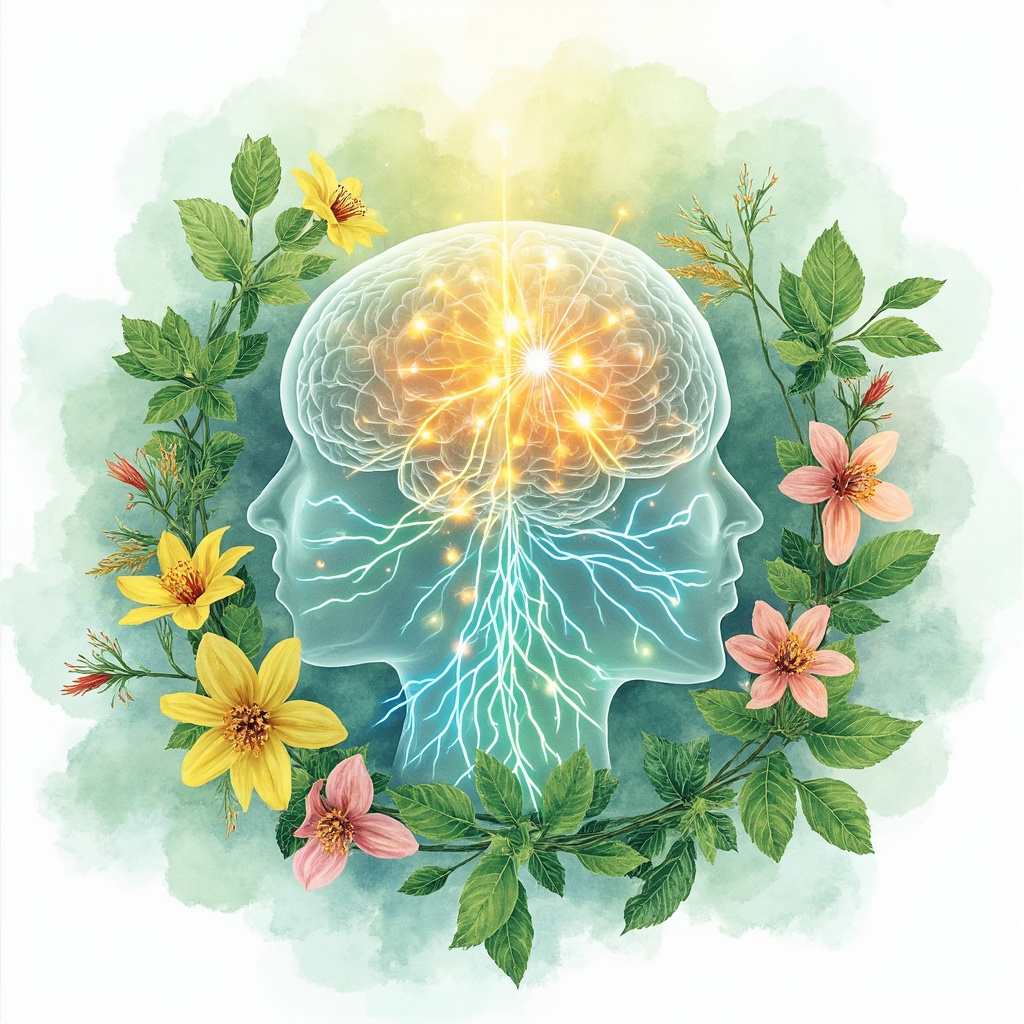
Neurotransmitters act as chemical messengers in the nervous system. Found mainly in the brain, spinal cord, and nerve ends, they carry signals between nerve cells across tiny gaps called synapses. When working well, they help control everyday functions like mood, sleep patterns, appetite, and clear thinking.
Understanding Neurotransmitters
These messengers come in different types, each with a unique job. Serotonin promotes calm feelings and steady mood. Dopamine drives motivation, pleasure, and reward. GABA eases tension and supports relaxation. Others like norepinephrine handle alertness and response to stress.
For a deeper look, check the Neurotransmitters glossary.
Emotions and Neurotransmitters
Our feelings tie closely to these chemicals. Low serotonin often links to sadness or worry. Dopamine dips can sap drive and joy. Stress or past emotional strains may throw them off balance, worsening issues like anxiety or low mood. Restoring evenness can lift spirits and ease daily strains.
Signs of Imbalance
You might notice fatigue, poor sleep, sudden mood shifts, or trouble focusing. These signal the need for support. In assessments, neurotransmitters biomarkers reveal energy levels, activity, and connections in the body.
Herbal Support for Balance
Plants have long aided nervous system health. Recent studies confirm many herbs gently nudge neurotransmitters toward harmony.
- St. John's Wort: Boosts serotonin, dopamine, and norepinephrine uptake. Trials show it rivals standard mood aids, often outperforming placebos.
- Saffron: Matches antidepressant effects in studies. It influences mood pathways, easing low feelings.
- Rhodiola: Balances stress chemicals like dopamine and serotonin. It cuts mental tiredness and sharpens focus.
- Lemon Balm: Calms via GABA support. Positive trial results for mood lift.
- Lavender: Eases through GABA receptors, promoting rest.
These herbs work holistically, often with fewer side effects. Always consult a guide for personal fit.
Recent Research Insights
A 2025 review of 209 trials tested 64 natural options for low mood. St. John's Wort and saffron stood out with strong backing. Emerging stars like rhodiola, lemon balm, lavender, and tryptophan also shone. Few safety issues arose, pointing to promise for everyday use.
Neurotransmitters as a Strength
Balanced neurotransmitters aid organ work by steadying mood, rest, and hunger. This fosters whole-body calm, cuts emotional load, and boosts drive via smooth nerve signals.
In practice, watch biomarkers for stress or immunity clues. Herbs like ashwagandha steady hormones tied to nerves. Valerian or passionflower calm overactive signals. For gut links, peppermint or ginger support digestion that feeds brain health.
Pair herbs with rest, movement, and nature time. Small steps build lasting well-being.
Nature's wisdom meets body signals. Gentle plant allies help neurotransmitters flow true, nurturing mind and heart.
- 1. sciencedirect.com
- 2. myherbclinic.com.au
- 3. youtube.com
- 4. ncbi.nlm.nih.gov
- 5. reporter.nih.gov
- 6. researchdirects.com
- 7. pmc.ncbi.nlm.nih.gov
- 8. pmc.ncbi.nlm.nih.gov
- 9. quadrawellness.com
- 10. mdpi.com
- 11. verywellhealth.com
- 12. pmc.ncbi.nlm.nih.gov
- 13. pmc.ncbi.nlm.nih.gov
- 14. frontiersin.org
- 15. pmc.ncbi.nlm.nih.gov
- 16. solal.co.za
- 17. midcitiespsychiatry.com
- 18. pmc.ncbi.nlm.nih.gov
- 19. pmc.ncbi.nlm.nih.gov
- 20. pmc.ncbi.nlm.nih.gov
- 21. pmc.ncbi.nlm.nih.gov
- 22. ijpsjournal.com
- 23. pmc.ncbi.nlm.nih.gov
- 24. mdpi.com
- 25. ecotraders.com.au
- 26. medicalfoundationofnc.org
- 27. medicalnewstoday.com
- 28. pmc.ncbi.nlm.nih.gov
- 29. frontiersin.org
- 30. onlinelibrary.wiley.com
- 31. pmc.ncbi.nlm.nih.gov
- 32. health.harvard.edu
- 33. healthline.com
- 34. pdfs.semanticscholar.org
- 35. sciencedirect.com
- 36. facebook.com
- 37. instagram.com
- 38. sciencedaily.com
- 39. news-medical.net
- 40. va.gov
Related posts
Glossary
- Energy and mind Structures > Focused Coherence; Focus
- Energy and mind Structures > Mental
- Energy and mind Structures > Sadness
- Energy and mind Structures > Drive
- Energy and mind Structures > Pleasure
- Energy and mind Structures > Drives
- Energy and mind Structures > Immunity
- Body zones > hormones
- Body zones > nerves
- Body zones > neurotransmitters
- TCM Recipes > Heart Health: Remedies for Anxiety and Palpitations
- TCM Recipes > Brain Boost: Clear Fog, Improve Focus & Memory
- TCM Recipes > Boost Your Energy: A TCM Recipe for Fatigue Relief
- Energy and mind Structures > sleep
- Energy and mind Structures > movement
- Energy and mind Structures > Digestion
- Energy and mind Structures > Stress
- Stimuli > Serotonin
- Stimuli > GABA
- Stimuli > Lavender
- Stimuli > Lemon
- Stimuli > AIDS
- Binaural beats > Spinal Cord Support: Enhance Wellness and Emotional Balance
- Binaural beats > Nervous System: A Program for Emotional Balance and Relaxation
- Stimuli > Harmony
see also...
- Energy and mind Structures > HRV
- Energy and mind Structures > Body zones > skull
- Energy and mind Structures > TCM Recipes > Tension Headache Relief: A Natural Approach to Ease Stress
- Testimonials > 61% Drop in Nausea and 58% in Headaches from Sound Therapy
- Binaural beats > Stimuli > Sacral, Zinc Etc
- Binaural beats > Transmutation: A Sound Journey for Personal Change