


Autonomic Biomarker: Herbal Balance Paths
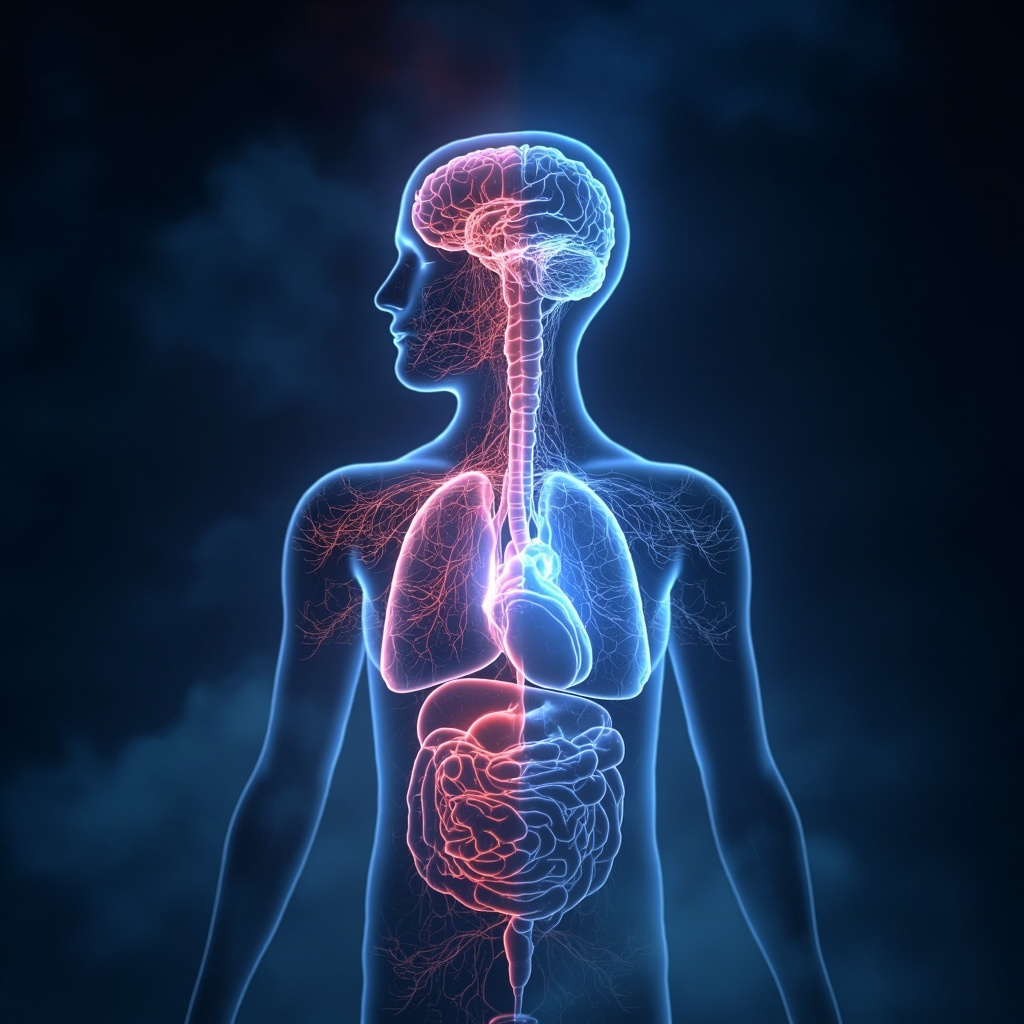
What is the Autonomic Nervous System?
Your autonomic nervous system (ANS) works behind the scenes to manage vital functions you do not think about, such as your heartbeat, breathing, digestion, and blood pressure. It has two branches: the sympathetic system, which ramps up during stress for fight-or-flight action, and the parasympathetic system, which calms things down for rest and recovery. For a deeper look, check the glossary.
In BioCoherence assessments, the autonomic biomarker reveals how well these nerves maintain balance through electrical activity readings. A healthy ANS keeps your body in steady harmony, adapting smoothly to daily demands.
Common Signs of Autonomic Imbalance
When the sympathetic side dominates too long, you might notice:
- Racing heart or uneven blood pressure
- Poor digestion or bloating after meals
- Constant fatigue despite rest
- Trouble sleeping or shallow breathing
These issues often stem from ongoing stress, poor lifestyle habits, or unresolved emotions, leading to conditions like anxiety or digestive woes.
The Emotional Side of Autonomic Nerves
The ANS ties closely to feelings like fear, insecurity, and the urge for control. Chronic worry or big life shifts can throw it off, creating a loop of physical tension and emotional strain. Restoring balance here not only eases the body but also lifts mood and builds inner calm.
Autonomic as a Key Resource
A strong autonomic system acts as a master regulator. It prioritizes energy flow to organs, steadies heart rate during stress, and supports smooth digestion and breathing. When called upon, it fosters whole-body homeostasis, helping other systems work in sync for vitality and resilience.
Herbal Strategies for Autonomic Harmony
Plants offer gentle, targeted support to calm overactive sympathetic activity and boost parasympathetic tone. Recent herbal protocols, like the HRV approach, use tiered blends to improve nervous system flexibility, measurable through heart rate patterns.
Grounding Herbs for Quick Calm
- Lemon Balm: Eases mental tension and quiets racing thoughts, promoting steady relaxation without drowsiness.
- Chamomile: Softens stress reactivity, balancing heart rhythms and aiding restful sleep.
- Skullcap: A mild tonic that soothes nerves, ideal for daily anxiety.
Adaptogens for Long-Term Resilience
- Ashwagandha: Lowers stress hormones, boosting recovery and nervous system strength. Studies show it raises heart variability for better adaptation.
- Holy Basil (Tulsi): Builds stress resistance, stabilizing energy and mood.
Vagal Boosters for Deep Rest
- Lavender: Calms via scent or tea, shifting the body to rest mode.
- Valerian: Enhances overnight recovery, supporting GABA for natural sedation.
Start with a simple tea blend of lemon balm and chamomile in the evening. For personalization, biomarkers guide which herbs match your unique needs-perhaps ashwagandha if fatigue rules, or tulsi for emotional strain.
Practical Tips for Daily Balance
Combine herbs with breathwork: Slow inhales for four counts, holds for seven, exhales for eight to activate calm pathways. Track how you feel over weeks; many notice steadier energy and fewer stress flares.
Herbs like these, rooted in tradition and backed by modern insights, empower your autonomic nerves to thrive. They detox stress buildup, bolster immunity, and nurture hormonal flow, paving paths to true well-being.
- 1. traditionalmedicinals.com
- 2. neurologicseattle.com
- 3. naturasophiaspagyrics.com
- 4. paherbschool.com
- 5. drcynthia.com
- 6. neomedinstitute.com
- 7. richmondnaturalmed.com
- 8. ifm.org
- 9. sacredplantco.com
- 10. pubmed.ncbi.nlm.nih.gov
- 11. facebook.com
- 12. yourhealthandwellbeing.org
- 13. herbalapothecaryuk.com
- 14. instagram.com
- 15. sacredplantco.com
- 16. innerbody.com
- 17. health.clevelandclinic.org
- 18. open.spotify.com
- 19. ravencrestbotanicals.com
- 20. youtube.com
- 21. youtube.com
- 22. pmc.ncbi.nlm.nih.gov
- 23. bbc.com
- 24. herb-pharm.com
- 25. nature.com
- 26. herbalapothecaryuk.com
- 27. pmc.ncbi.nlm.nih.gov
- 28. pmc.ncbi.nlm.nih.gov
- 29. instagram.com
- 30. facebook.com
- 31. herbalapothecaryuk.com
- 32. herb-pharm.com
- 33. sciencedirect.com
- 34. futurehouston.org
- 35. facebook.com
- 36. sacredplantco.com
- 37. mytransformationwellness.com
- 38. youtube.com
- 39. sciencedirect.com
Related posts
Glossary
- Energy and mind Structures > Mental
- Energy and mind Structures > Immunity
- Body zones > hormonal
- Body zones > hormones
- Body zones > nerves
- Body zones > autonomic
- Body zones > parasympathetic
- Energy and mind Structures > Organs
- TCM Recipes > Digestive Relief: A Simple Guide to Ease Bloating & Indigestion
- TCM Recipes > Heart Health: Remedies for Anxiety and Palpitations
- TCM Recipes > Boost Your Energy: A TCM Recipe for Fatigue Relief
- Energy and mind Structures > sleep
- Energy and mind Structures > vitality
- Energy and mind Structures > blood pressure
- Energy and mind Structures > Digestion
- Energy and mind Structures > VLF; Sympathetic activity
- Energy and mind Structures > Stress
- Stimuli > GABA
- Stimuli > Lemon
- Stimuli > Chamomile
- Stimuli > Basil
- Stimuli > Moon - Nasal Passage, Breathing, Taste
- Binaural beats > Nervous System: A Program for Emotional Balance and Relaxation
- Stimuli > Harmony
- Stimuli > Blood
see also...
- Energy and mind Structures > HRV
- Energy and mind Structures > Body zones > plasma
- Energy and mind Structures > TCM Recipes > Tension Headache Relief: A Natural Approach to Ease Stress
- Testimonials > 61% Drop in Nausea and 58% in Headaches from Sound Therapy
- Binaural beats > Stimuli > Variolinum
- Binaural beats > Transmutation: A Sound Journey for Personal Change